
Market Movements and Economic Indicators: A Plain-English Analysis
Understanding the Pulse of the Market
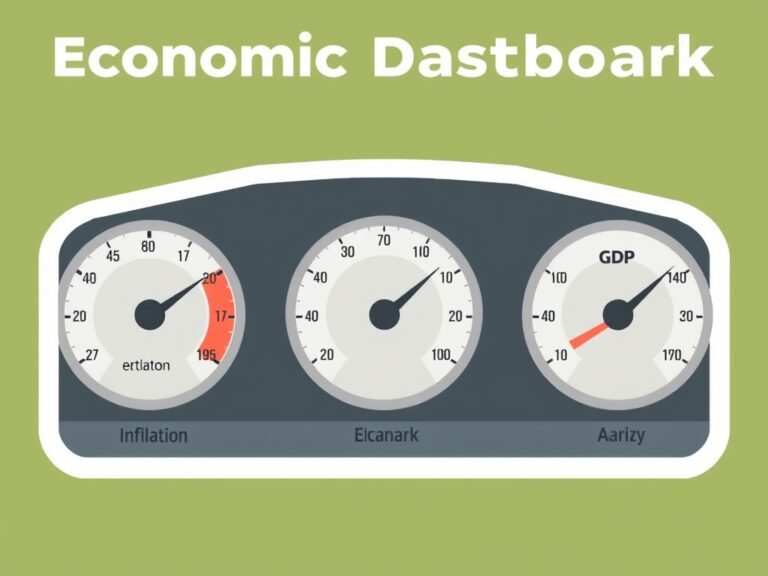
Have you ever wondered why the stock market seems to dance to its own rhythm, sometimes soaring on good news and other times plummeting without warning? 📈 At its core, market movements are driven by the collective sentiment of investors reacting to economic indicators. Think of these indicators as the dashboard of a car; they tell us how fast the economy is moving and whether the engine is overheating. When we talk about market volatility, we are essentially discussing the market’s response to new data. Understanding this connection is vital for any investor looking to make smarter decisions. It is not just about luck; it is about recognizing patterns in the financial landscape. By keeping an eye on reports like inflation and employment, you can better predict shifts. Let’s break down these complex mechanics into plain English so you can navigate the financial world with confidence. Whether you are a beginner or a seasoned pro, these basics will serve you well.
Key Economic Indicators You Should Watch
Not all economic data points are created equal, and knowing which ones move the needle is crucial for your investment strategy.
- GDP (Gross Domestic Product): The ultimate measure of a country’s economic health.
- CPI (Consumer Price Index): A critical gauge for tracking inflation trends.
- Non-farm Payrolls: A major factor in understanding job market strength.
These reports act as signals that influence everything from interest rates to corporate earnings. When GDP beats expectations, for example, the market often reacts with optimism. Conversely, if inflation rises faster than anticipated, investors might worry about potential rate hikes. 💡 Pro tip: Keep a calendar of these release dates to avoid being blindsided by sudden spikes in volatility. Watching how these indicators interact gives you a clearer picture of the big picture. It helps you distinguish between temporary noise and genuine economic shifts. By focusing on these core metrics, you gain a massive advantage over the average observer.
The Relationship Between Interest Rates and Stocks
Interest rates are arguably the most powerful lever in the financial world, and they play a major role in how stocks perform. When central banks like the Federal Reserve decide to hike rates, borrowing becomes more expensive for both businesses and consumers. 💸 This often leads to reduced corporate spending and lower profit margins, which can put downward pressure on stock prices. Conversely, lower interest rates generally act as a stimulant, encouraging growth and investment. Investors need to pay close attention to the language used by central bankers, as their statements often move markets more than the data itself. It is a constant tug-of-war between fighting inflation and fostering growth. You might think of it as the cost of money; when it is cheap, everyone wants to play. When it becomes expensive, the party tends to slow down significantly. Monitoring these changes helps you anticipate how different sectors, like tech or utilities, might react to the current environment.
Navigating Market Sentiment with Confidence
Finally, we must remember that markets are not just numbers; they are driven by human psychology. 🧠 Even if the economic indicators look perfect, fear or greed can drive market movements in unpredictable ways. This is why sentiment analysis is a powerful tool in your belt. When everyone is feeling euphoric, it might be a signal to proceed with caution. When panic sets in, it could potentially present a unique buying opportunity for long-term investors. Consistency is your best friend when the market gets choppy. Avoid the trap of trying to time the market perfectly; instead, focus on your long-term goals and stay diversified. By maintaining a logical, data-driven approach, you can sleep better at night knowing you aren’t gambling. Keep learning, stay curious, and remember that volatility is simply the price of admission for potential market returns. You have the tools now to interpret the world around you with much greater clarity.