

7 Foundational Principles for Building Sustainable Long-Term Wealth
Have you ever wondered why some people seem to effortlessly build lasting wealth while others struggle paycheck to paycheck? The truth is, building sustainable long-term wealth isn’t about luck or inheriting a fortune; it’s about mastering a set of core financial behaviors. Today, we are diving deep into the 7 Foundational Principles for Building Sustainable Long-Term Wealth to help you transform your financial future. First and foremost, you must cultivate a ‘wealth mindset’ that prioritizes long-term financial freedom over temporary, short-term gratification. This means shifting from a consumer mentality—where you spend what you make to look rich—to an investor mentality, where you focus on actually being wealthy. Wealth isn’t just the money in your bank account; it’s the freedom and security that those assets provide. To kick off this journey, we must define what true financial independence looks like for you individually. By focusing on your personal financial goals, you can create a customized roadmap that keeps you motivated even when market conditions get tough. Remember, wealth building is a marathon, not a sprint, and your mindset is the powerful engine that keeps you moving forward. If you can master this psychological shift early on, you will find that saving, investing, and budgeting feel less like sacrifices and more like empowering choices. Let’s make a commitment today to stop chasing quick-fix financial schemes and instead focus on establishing a rock-solid foundation that will stand the test of time. With this powerful mental shift, you are now fully prepared to tackle the tactical strategies required to secure your financial destiny.

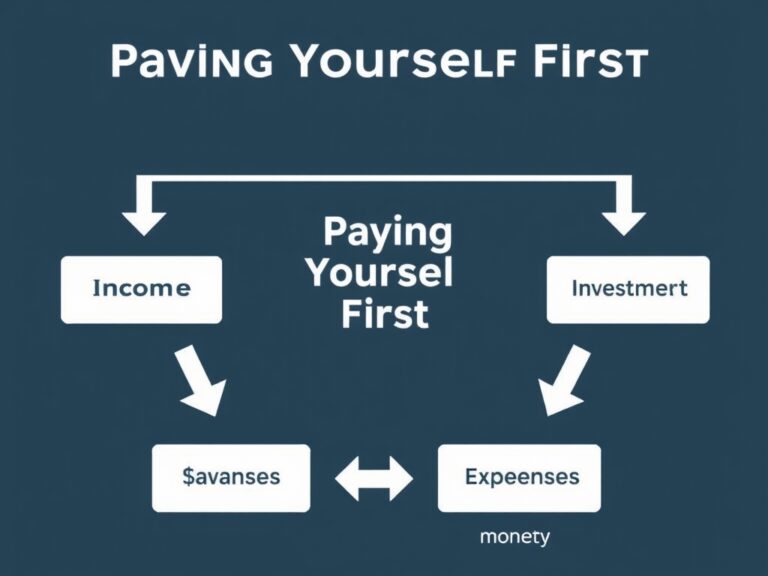
Once your mindset is aligned, the next crucial step is mastering the golden rule of personal finance: paying yourself first. Most people receive their paycheck, pay their bills, spend money on entertainment, and then save whatever tiny amount is left over. To build sustainable wealth, you must completely flip this outdated equation on its head by saving and investing a set percentage of your income immediately when you get paid. By automating this process through automatic transfers to your savings or investment accounts, you remove temptation entirely. Alongside paying yourself first, you must practice the art of living below your means, which simply means spending less than you earn. This doesn’t mean you need to live a life of extreme deprivation or stop enjoying your favorite morning coffee. Instead, it is about aligning your spending with your core values and avoiding the dangerous trap of lifestyle inflation. As your income grows over your career, resist the urge to immediately upgrade your lifestyle, and instead upgrade your investment contributions. To keep track of this, try implementing these simple strategies:
- Track your spending: Use an app or spreadsheet to see exactly where your money goes.
- Create a value-based budget: Cut expenses on things that don’t bring you joy, and spend mindfully on things that do.
- Establish an emergency fund: Save 3 to 6 months of expenses to protect your investments from unexpected shocks.
Remember, every single dollar you save today is a hard-working employee that can be put to work for your future self. By consistently maintaining a gap between your earnings and your spendings, you generate the raw capital needed to fund your wealth-building engine. This simple, disciplined habit is the bedrock upon which all great financial empires are built.
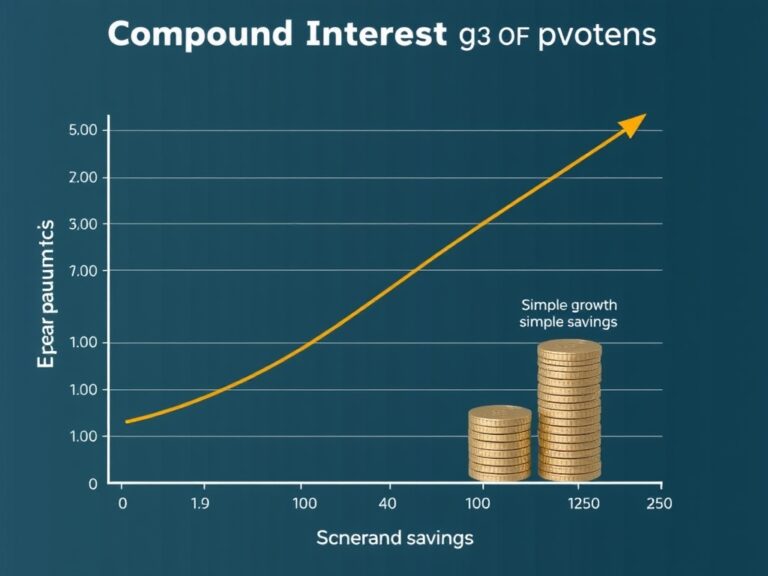
Now that you have generated capital, it’s time to put that money to work using the single most powerful force in finance: compound interest. Albert Einstein famously called compound interest the eighth wonder of the world, stating that those who understand it earn it, and those who don’t pay it. Compounding works like a snowball rolling down a hill; your money earns interest, and then that interest earns interest, growing exponentially over time. The key to unlocking this incredible force is time, which is why starting to invest as early as possible is so critically important. However, to safely harness this growth, you must understand the vital principle of diversification. Diversification is the financial equivalent of not putting all of your eggs in one single basket. By spreading your investments across various asset classes, you protect your portfolio from devastating losses. Consider incorporating a mix of these asset classes into your portfolio:
- Equities (Stocks): Offer high long-term growth potential but come with higher short-term volatility.
- Fixed Income (Bonds): Provide regular income and add stability to your overall portfolio.
- Real Estate: Offers tangible asset value, rental income, and potential long-term appreciation.
A well-diversified portfolio ensures that if one sector or asset class experiences a downturn, other areas can help offset those losses. This balanced approach allows you to stay invested during market downturns without panicking and selling at a loss. Over the long run, a disciplined, diversified investment strategy always outperforms attempts to time the stock market. By combining the relentless growth of compounding with the safety net of diversification, you create an unstoppable wealth-building machine.
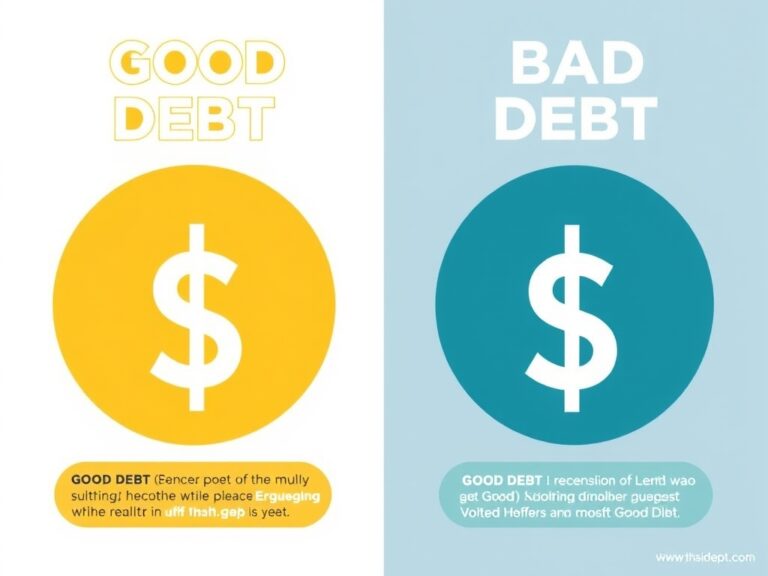
While growing your assets is vital, protecting your wealth from the destructive power of bad debt is equally essential. Not all debt is created equal, and understanding the difference between good debt and bad debt is a game-changer. Good debt, like a low-interest mortgage or a student loan for a high-ROI career, can actually help you build wealth over time. On the flip side, high-interest consumer debt, such as credit card balances, acts as a massive anchor dragging down your financial progress. Paying high interest rates to buy depreciating assets is the fastest way to erode your hard-earned net worth. If you currently have high-interest debt, make it an absolute priority to pay it off using strategies like the debt snowball or debt avalanche methods. Once you are free from consumer debt, you can redirect those interest payments into investments that pay you instead. Beyond managing debt, the ultimate wealth-building asset you will ever own is actually yourself. Continuous education and investing in your own skills, knowledge, and health will always yield the highest return on investment. The more valuable you become to the marketplace, the higher your earning potential will rise throughout your career. Dedicate time to reading books, attending seminars, and learning new high-value skills that align with future economic trends. By continuously improving your knowledge of personal finance and career-specific skills, you ensure your long-term success. Remember, a commitment to lifelong learning is the common thread among the world’s most successful self-made millionaires.
Building sustainable long-term wealth is a transformative journey that requires patience, discipline, and a commitment to these seven foundational principles. It is not about finding a magic formula overnight, but rather about consistently making smart, small financial decisions every single day. By cultivating a wealth mindset, paying yourself first, living below your means, and leveraging compounding, you set the wheels in motion. Protecting that progress by avoiding bad debt, diversifying your investments, and investing in yourself ensures that your financial castle remains secure. As you embark on this rewarding path, remember that consistency is always your greatest ally. Do not get discouraged by short-term market fluctuations or temporary setbacks, as they are a natural part of any long-term financial journey. Start small today by automating savings, reviewing your current budget, or reading one financial article to build momentum. Every step you take, no matter how tiny it may seem, brings you closer to ultimate financial peace of mind. Your future self will look back at the decisions you make today with immense gratitude. Now, it is your turn to take action, apply these principles, and build the legacy of wealth you and your family deserve.