
Market Trends and Economic Indicators Explained in Plain English
Understanding the Pulse of the Economy
Have you ever wondered why headlines about market trends and economic indicators sound like they were written in a secret code? You are definitely not alone, and the good news is that understanding these concepts doesn’t require a PhD in economics. Think of the economy as a massive, living organism, and these indicators are essentially its vital signs, telling us whether it is thriving or catching a cold. By learning to read these signals, you can make much smarter decisions regarding your personal finances and investments. We often hear terms like GDP, inflation, and unemployment rates thrown around on the news, but they are just metrics designed to measure the temperature of our financial world. In this guide, we are going to break these complex topics down into plain English, ensuring you feel confident discussing them at your next dinner party. It is all about connecting the dots between how the government measures growth and how that impacts your daily wallet. Let’s peel back the layers of these metrics together, turning confusing jargon into clear, actionable insights for your financial future. Whether you are a curious beginner or looking to refresh your knowledge, this journey will provide the clarity you need to navigate today’s dynamic market landscape with ease.

Decoding Growth: The Power of GDP
The most famous indicator in the world is undoubtedly Gross Domestic Product (GDP), which is essentially the scorecard for a nation’s total economic health.
- It measures the total value of all goods and services produced within a country’s borders.
- When GDP goes up, it generally means businesses are expanding and people are earning more.
- When it dips, it signals a slowdown that might lead to leaner times.
Think of it as the sum total of all the coffee you bought, the cars manufactured in local plants, and the digital services provided by tech firms. Economists look for consistent, sustainable growth in this number to determine if the country is effectively managing its resources. However, it is important to remember that GDP doesn’t capture everything, such as the happiness or social well-being of citizens. It acts more like a macro-level thermometer, giving us a quick snapshot of overall activity rather than the fine details. By keeping an eye on quarterly GDP reports, you can get a sense of whether the economy is in an expansionary phase or facing a potential recession. Understanding this helps you see the big picture of why your local job market might be booming or why certain sectors seem to be stalling. It is the bedrock upon which all other economic analysis is built, so mastering this concept is your first step toward true financial literacy.
The Hidden Thief: Inflation Explained
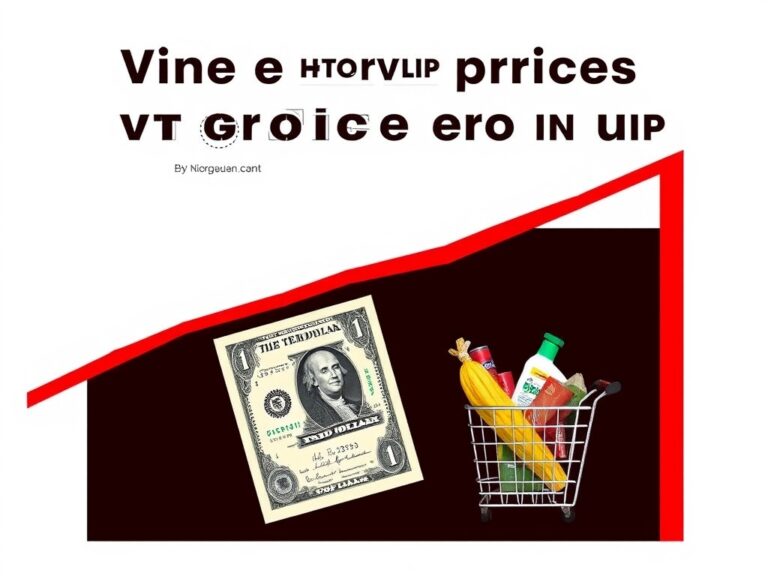
If GDP is the speed of the economy, inflation is the rising cost of the journey itself. Simply put, inflation describes the rate at which the general level of prices for goods and services is rising over time. Why does this matter to you? Because as prices climb, the purchasing power of your hard-earned money slowly fades away. Imagine if a loaf of bread costs $2 today but $2.50 next year—that is inflation in action. Central banks, like the Federal Reserve, constantly monitor this to ensure it stays within a ‘Goldilocks’ zone—not too hot, and not too cold. They use tools like interest rates to manage this, trying to prevent prices from skyrocketing while still encouraging enough spending to keep businesses alive. You might hear about the Consumer Price Index (CPI), which is the specific tool used to track these price changes across a basket of everyday items. High inflation can be stressful, making it harder to afford essentials, but moderate inflation is actually a sign of a growing, healthy economy. By understanding how inflation works, you can start making adjustments, such as investing in assets that historically outpace rising costs. Keeping your savings under a mattress is rarely a good idea when inflation is quietly eating away at the value of every dollar you hold.
Jobs and Markets: The Human Element
Finally, no discussion of economic indicators is complete without mentioning the unemployment rate and stock market trends. The unemployment rate tells us exactly how many people are looking for work but can’t find it, providing a crucial look at the labor market’s strength. When this number is low, companies are usually hiring, which creates a competitive environment that can lead to better wages for workers. On the other hand, market trends reflect how investors feel about the future of companies and the overall economy. Key takeaways to remember:
- The stock market is forward-looking, often reacting to what investors think will happen next.
- Employment numbers are backward-looking, confirming what has already happened in the workforce.
- Together, these indicators paint a picture of public confidence and business stability.
When people feel secure in their jobs, they tend to spend more, which fuels growth in the stock market and strengthens the economy. Conversely, uncertainty leads to cautious spending and market volatility, showing just how deeply psychological economics really is. By observing these trends, you aren’t just reading dry statistics; you are learning how to read the moods and movements of millions of people. Empowering yourself with this knowledge allows you to move away from reactive panic and toward proactive planning. Stay curious, keep watching these key indicators, and you will be well-equipped to navigate the complex world of finance with confidence and clarity.