
Your Comprehensive Guide to Education, Auto Care, Health, and Home Management
Education has transformed from a phase of life into a lifelong pursuit that keeps us relevant in an ever-evolving job market. Whether you are looking to pivot your career or simply satisfy a deep-seated curiosity, the modern era offers unparalleled access to knowledge. Lifelong learning is no longer just a buzzword; it is a necessity for anyone wishing to thrive in the digital age. You can find high-quality courses on platforms like Coursera or LinkedIn Learning that offer certifications from world-class institutions. Continuous skill acquisition helps maintain cognitive health and improves your problem-solving abilities across all life domains. It is important to set specific, measurable goals for what you want to learn to stay motivated during your journey. Consider these effective strategies for staying ahead:
- Dedicate at least 30 minutes daily to focused study.
- Join online communities related to your field of interest.
- Apply new knowledge immediately through practical projects.
This proactive approach ensures you are never left behind by rapid technological shifts in the industry. Remember that education also includes soft skills like communication, empathy, and emotional intelligence. Developing a growth mindset allows you to view challenges as opportunities for further instruction rather than setbacks. You should also explore podcasts and audiobooks as a way to learn while you are on your daily commute. Mentorship plays a significant role in learning, so don’t be afraid to reach out to experts in your desired field. Documenting your progress in a journal can help reinforce the concepts you have recently mastered. By investing in yourself today, you are securing a more versatile and successful future in any career path. Start small but remain consistent, as the compounding effect of knowledge is truly powerful over time.

When it comes to vehicle ownership, a little bit of preventative auto care maintenance goes a long way in saving money and ensuring your safety. You don’t need to be a professional mechanic to perform basic checks that significantly extend your car’s lifespan. Regular oil changes are perhaps the most critical task, as they keep your engine running smoothly and prevent overheating. Additionally, monitoring your tire pressure once a month can improve your gas mileage and provide better handling during inclement weather. Proper vehicle care also involves keeping an eye on your fluid levels, including coolant, brake fluid, and windshield washer liquid. If you hear strange noises or notice dashboard warning lights, it is imperative to address them immediately rather than waiting for a breakdown. Use this quick checklist for your monthly auto inspection:
- Check tire tread depth and air pressure.
- Verify that all exterior and interior lights are functioning.
- Inspect windshield wipers for wear and tear.
Keeping a detailed service logbook will help you stay organized and increase your car’s resale value significantly. Don’t forget the importance of a clean interior and exterior to prevent rust and maintain a pleasant driving environment. Consistent attention to these details ensures that your car remains a reliable asset for years to come. Checking your battery terminals for corrosion can prevent unexpected starting issues during the colder winter months. Rotating your tires every six months ensures even wear and extends the time between expensive replacements. Replacing your engine air filter is a simple DIY task that improves your engine’s performance and efficiency. Always consult your owner’s manual for the specific maintenance schedule recommended by your vehicle’s manufacturer. Safety always comes first, so prioritizing these small tasks keeps you and your passengers secure on the road.

Maintaining your health requires a holistic approach that balances physical vitality with mental and emotional well-being. In our busy lives, it is easy to prioritize work over wellness, but your body is the only home you have to live in. Focus on nutritional density by incorporating more whole foods, leafy greens, and lean proteins into your daily meals. Hydration is another cornerstone of health; drinking enough water improves skin clarity, digestion, and general energy levels. Daily movement, even if it is just a brisk twenty-minute walk, can drastically reduce the risk of chronic illnesses. Mental health should never be an afterthought, so consider incorporating mindfulness or meditation into your routine to manage stress. Prioritize sleep by aiming for seven to nine hours of quality rest every single night to allow your body to repair itself. Here are some essential habits for a healthier lifestyle:
- Practice deep breathing exercises during stressful moments.
- Limit processed sugars and excessive caffeine intake.
- Schedule regular preventative screenings with your doctor.
Being proactive about your health allows you to enjoy a higher quality of life and more energy for your passions. Listen to your body’s signals and give it the rest or fuel it needs without feeling any guilt. Reducing screen time before bed can significantly improve the quality of your sleep and overall mental clarity. Social connections and a strong support system are vital components of a long and healthy life. Finding a form of exercise that you genuinely enjoy makes it much easier to stay consistent over time. Your long-term wellness is built on the small, healthy choices you make every single day for your future self. Taking care of your health today is the best gift you can give to your future self and your family.

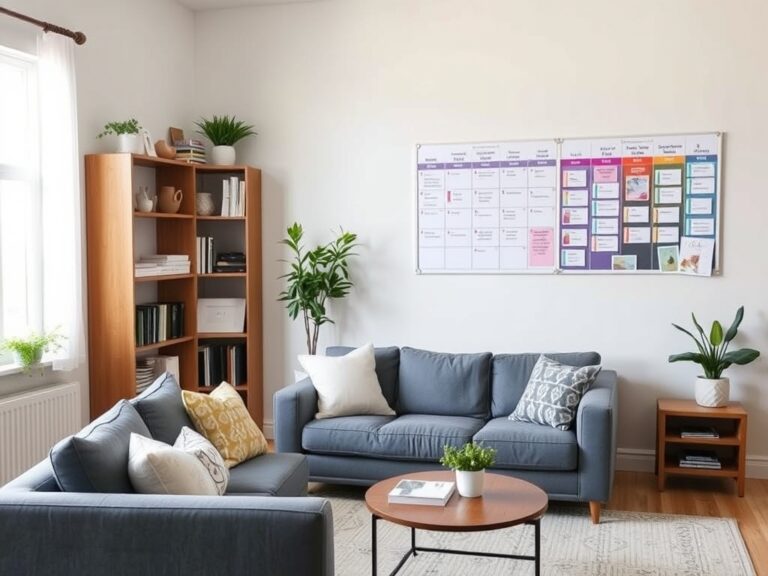
Effective home management is the art of creating a functional, peaceful environment that supports your family’s daily needs and reduces stress. A clean and organized space often leads to a clearer mind, making it easier to focus on your personal and professional goals. Start by decluttering one room at a time to avoid feeling overwhelmed by the magnitude of the task. Establishing a routine cleaning schedule ensures that household chores don’t pile up and become completely unmanageable. Financial management is also a vital component, involving the creation of a realistic budget for all monthly expenses and utilities. It is wise to set aside an emergency fund specifically for unexpected home maintenance issues like a leaking roof. Consider these pillars of an efficient home:
- Use digital tools or planners to track family schedules and chores.
- Implement energy-saving habits like using LED bulbs and smart thermostats.
- Conduct seasonal inspections of your home’s exterior and HVAC systems.
A well-managed home also involves fostering positive relationships among the people living there through open communication. Involving every family member in age-appropriate household responsibilities teaches accountability and promotes a sense of teamwork. By streamlining your domestic life, you create more time for the things that truly matter to your heart. Organizing your pantry and meal planning can save both time and money during your weekly grocery shopping trips. Small repairs, like fixing a leaky faucet, should be handled quickly to prevent more costly damage later on. Creating a dedicated command center for mail and keys helps reduce the clutter that accumulates near the entryway. Your home should be a sanctuary, so personalize your space with items that bring you joy and comfort. Efficient home management is not about perfection, but about creating a space that works for your unique lifestyle.