

Smart Strategies for Home, Health, Auto, and Educational Well-being
Building a Smarter Home Sanctuary
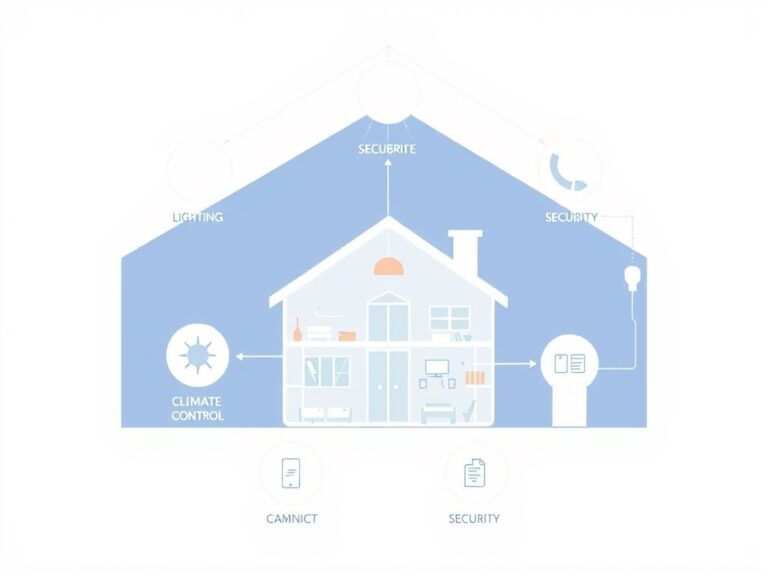
Transforming your living space into a haven of tranquility requires a blend of intentional design and modern technology. Smart home strategies are no longer just for tech enthusiasts; they are essential for managing modern stress levels and optimizing your environment. By implementing automated lighting systems that mimic natural circadian rhythms, you can significantly improve your sleep quality and daytime productivity. Additionally, maintaining optimal air quality through high-efficiency filters and indoor plants creates a healthier environment for your entire family. Consider adopting a ‘one-in, one-out’ rule for clutter to ensure your physical space remains organized and mentally soothing.
- Energy Efficiency: Use smart thermostats to reduce costs and carbon footprint.
- Security: Install smart locks and cameras for ultimate peace of mind.
- Ambiance: Utilize essential oil diffusers or smart speakers for relaxation.
Creating distinct zones for work and rest helps your brain switch modes more effectively throughout the day. Investing in ergonomic furniture is another critical move for long-term physical health within the home office. Remember, a well-managed home acts as a protective buffer against the chaotic outside world. You should also check for leaks or insulation gaps regularly to maintain a consistent and comfortable temperature year-round. Finally, making your home a reflection of your unique personality can boost emotional well-being every time you walk through the door.
Prioritizing Holistic Health and Vitality
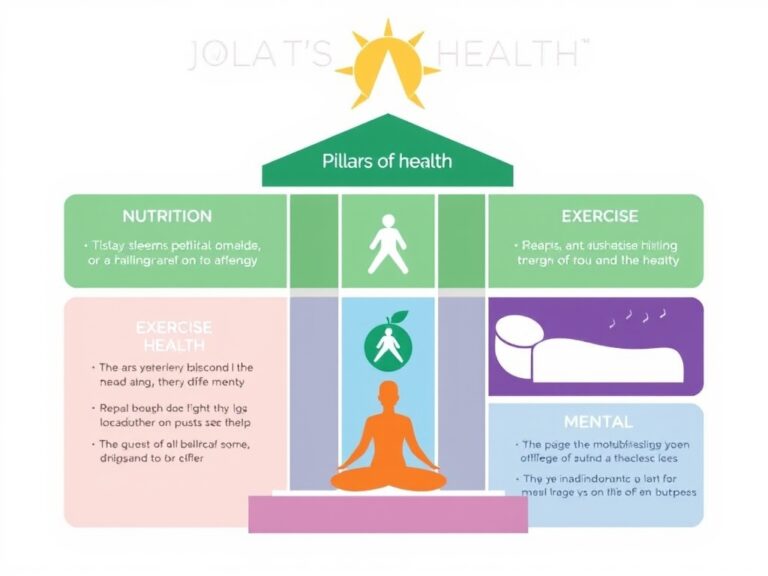
When we discuss health well-being, we must look beyond the mere absence of illness and focus on thriving through proactive daily choices. Your body is a complex machine that requires the right fuel, regular maintenance, and sufficient downtime to operate at peak performance levels. Nutritional density should be your primary focus, prioritizing whole foods that provide sustained energy rather than quick, artificial sugar spikes. Incorporating at least thirty minutes of moderate movement daily can drastically reduce the risk of chronic diseases while boosting your natural endorphins. Mental health is equally vital, so setting firm boundaries with digital devices is a smart strategy to prevent burnout and persistent anxiety.
- Hydration: Aim for at least 8 glasses of water daily to maintain cellular function.
- Sleep: Target 7-9 hours of restorative rest to allow for physical repair.
- Prevention: Schedule annual physicals and screenings to catch issues early.
Practice mindfulness or meditation regularly to build resilience against the daily stressors that can impact your physical health. Understanding the gut-brain connection can also lead you to make better choices regarding probiotics and fermented foods for digestive health. Don’t forget that social connections are a cornerstone of longevity, so make time for meaningful interactions with friends. By treating your health as a long-term investment rather than a short-term fix, you ensure a much higher quality of life. Listening to your body’s subtle signals is the ultimate form of self-care and expert-level health management.
Optimizing Your Automotive Experience
Your vehicle is often one of your most significant financial investments, and maintaining auto well-being is crucial for both safety and long-term stability. Routine car maintenance is the smartest strategy to prevent costly repairs down the road and ensure your vehicle remains reliable for every journey. Regularly checking tire pressure, oil levels, and brake pads can save you thousands of dollars and keep you safe during unexpected weather conditions. Smart driving habits, such as gradual acceleration and maintaining a safe following distance, not only preserve your engine but also improve fuel efficiency. Upgrading your car’s safety technology, such as dash cams or blind-spot monitors, adds an extra layer of protection for you and your passengers.
- Tire Care: Rotate tires every 5,000 miles to ensure even tread wear.
- Fluids: Keep coolant, brake fluid, and windshield wash topped up.
- Insurance: Review your policy annually to ensure you have the best coverage rates.
Staying organized inside your car with seat-back organizers can reduce distractions and make long commutes much more pleasant. It is also wise to keep a well-stocked emergency kit in the trunk, including a first-aid kit, jumper cables, and a flashlight. Proper car care also helps maintain the resale value of your vehicle when it comes time to upgrade to a newer model. A clean and organized car environment can surprisingly lower your stress levels during heavy traffic-heavy commutes. Ultimately, being a proactive car owner means you can drive with confidence, knowing your vehicle is in top-notch mechanical condition.

Cultivating Lifelong Educational Growth
In an era of rapid technological change, educational well-being through lifelong learning is your most valuable asset for personal and professional growth. Engaging your mind in new challenges keeps your cognitive functions sharp and opens doors to opportunities you might never have imagined before. Whether it is learning a new language, mastering a coding skill, or diving into historical biographies, continuous education fuels curiosity and inner confidence. Digital literacy is particularly important, as it allows you to navigate the modern information landscape with ease and critical discernment. Utilizing online platforms like Coursera or Khan Academy makes expert-level knowledge accessible right from your own living room sofa.
- Skill Building: Dedicate 15 minutes a day to a new hobby or professional skill.
- Networking: Connect with mentors or peers in your field of interest to exchange ideas.
- Reading: Aim to read at least one book per month to expand your cultural horizons.
Setting specific, measurable learning goals helps keep you motivated and allows you to track your progress over time. Don’t be afraid to step outside your comfort zone, as that is precisely where the most significant intellectual growth occurs. Teaching others what you have learned is another fantastic way to solidify your own understanding and contribute to your community. Keeping a journal of your learning journey can help you reflect on your growth and identify areas for further exploration. By prioritizing your intellectual health, you ensure that you remain relevant, adaptable, and perpetually inspired in your career. Education is not just a phase of life; it is a permanent lifestyle choice for a truly fulfilling and successful existence.