Optimize Your Life: Comprehensive Insights for Home, Vehicle, Health & Education
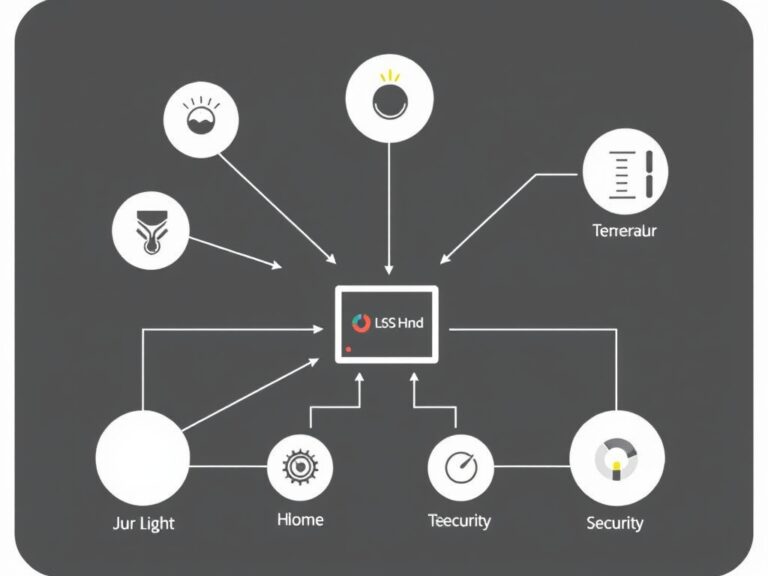
Welcome to your journey towards a more streamlined and efficient lifestyle! Let’s start with the place where you spend most of your time: your home. Optimizing your living space isn’t just about cleaning; it’s about creating a system that works for you every single day. Consider integrating smart home technology like programmable thermostats and energy-efficient lighting to save money and time. Use various strategies to maximize every square inch of your property, such as:
- Decluttering with the “one-in, one-out” rule
- Installing vertical storage solutions
- Using smart energy monitors
- Automating routine lighting schedules
. By automating your home, you significantly reduce decision fatigue and save precious minutes every morning. Investing in high-quality insulation and double-paned windows is another great way to improve home energy efficiency. Think about your kitchen workflow; keeping frequently used items at arm’s length can make daily cooking much faster. A well-organized home reflects a well-organized mind, leading to less stress and more creativity throughout your week. Don’t forget the importance of air quality; adding indoor plants can naturally filter toxins and improve your mood. Regularly checking your HVAC filters ensures your system runs at peak performance and lowers your monthly bills. Creating a dedicated workspace for productivity helps separate your professional and personal life effectively, even in a small apartment. These small changes lead to a significant impact on your overall quality of life and long-term financial savings. Pro-tip: Audit your monthly utility bills to identify hidden energy leaks you might have missed. Ultimately, your home should be a sanctuary that supports your goals rather than a constant source of chores.
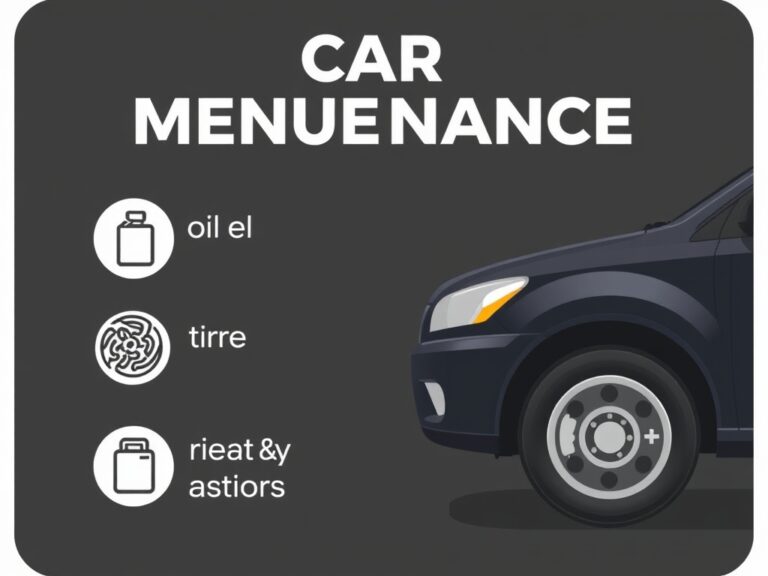
Moving on to your daily commute, optimizing your vehicle is essential for both your safety and your long-term financial health. Preventative maintenance is the golden rule for keeping your car running smoothly for hundreds of thousands of miles without major breakdowns. Make sure to check your tire pressure monthly, as properly inflated tires improve fuel economy and vehicle handling. Essential maintenance tasks include:
- Regular synthetic oil changes
- Brake pad and rotor inspections
- Checking all fluid levels
- Seasonal tire rotations
. Your driving habits also play a massive role, as aggressive acceleration and hard braking waste gas and wear out parts quickly. Using a fuel-tracking app can help you monitor consumption patterns and find the cheapest gas in your local area. Keeping your car clean isn’t just for looks; it prevents rust and preserves the high resale value of your investment. Organize your trunk with a small storage bin to keep emergency supplies like a first-aid kit and jumper cables handy at all times. If you have an older car, consider upgrading the infotainment system to include modern GPS for better route planning and traffic avoidance. Efficient routing saves time and reduces the wear and tear associated with heavy stop-and-go traffic. Don’t ignore those dashboard warning lights, as a minor sensor issue can turn into an expensive repair if left alone for too long. Scheduling an annual professional detail can help maintain the interior materials like leather or high-end fabric against UV damage. Being proactive about your vehicle ensures that you never get stranded and always travel in maximum comfort. Optimization here means maximizing every drop of fuel and every mile of the engine’s functional lifespan. Your car is a tool for freedom, so treat it with the care it deserves to serve you well for years.
Now, let’s talk about the most important machine you will ever own: your body and your mind. Holistic health optimization involves a balanced approach to nutrition, physical movement, and restorative sleep patterns. To start, prioritize a consistent sleep schedule to regulate your circadian rhythm and boost daily cognitive function. Focus on these pillars for a healthier life:
- Drink at least 2 liters of water daily
- Incorporate lean proteins into every meal
- Eat a wide variety of colorful vegetables
- Limit processed sugars and artificial additives
. Movement should be a non-negotiable part of your routine, whether it’s a brisk walk or a high-intensity strength workout. Mental health is just as critical; practice mindfulness or meditation to lower cortisol levels and manage daily stress effectively. Using wearable technology can help you track your heart rate, daily steps, and sleep quality for data-driven health improvements. Don’t underestimate the power of social connections, as meaningful relationships contribute significantly to overall longevity and happiness. Regular check-ups with your doctor can help catch potential issues before they become chronic or difficult-to-manage problems. Optimization is about sustainable habits, not short-term diets or extreme exercise fads that lead to early burnout. Supplementation can be helpful, but always consult with a professional to tailor it to your specific biological needs. Your environment also impacts your health, so ensure you have adequate sunlight and fresh air throughout your workday. Taking micro-breaks during work helps prevent eye strain and keeps your focus sharp for much longer periods. Listen to your body’s signals; if you feel fatigued, rest is just as productive as hard work for long-term success. When you feel your best physically, you have the energy to tackle every other area of your life with renewed vigor.
Finally, let’s focus on educational growth and lifelong learning to keep your mind sharp and professionally competitive. In today’s fast-paced world, the ability to learn new skills quickly is a superpower for career advancement and personal satisfaction. Utilize online platforms to gain certifications in high-demand fields like data analysis, digital marketing, or software coding. To optimize your learning, try these methods:
- Set specific and measurable learning goals
- Dedicate 30 minutes a day to reading non-fiction
- Join professional networking groups
- Attend industry-specific webinars
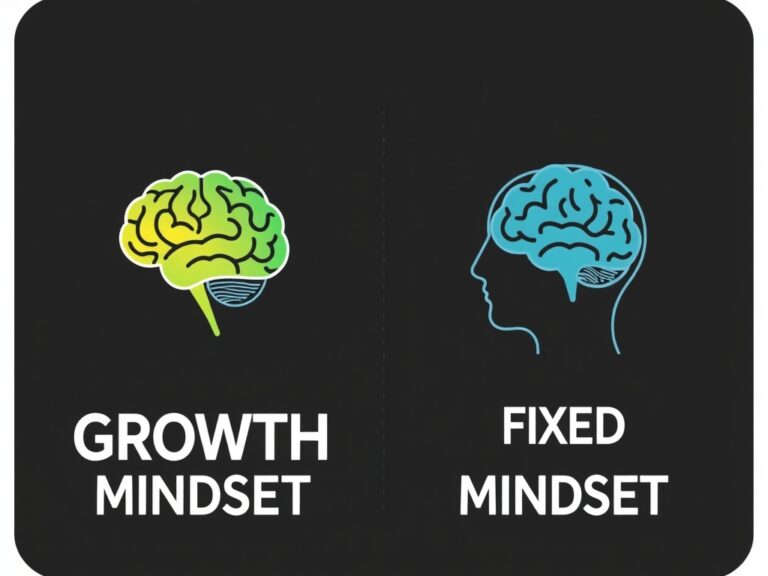
. Optimization in education means focusing on “deep work” sessions where you remove all digital distractions for focused, intense study. Use the Feynman Technique—explaining a concept in simple terms to a child—to ensure you truly understand what you’re learning. Building a personal library of books and digital resources allows you to cross-reference ideas and think more critically about the world. Networking with experienced mentors can provide insights that you simply cannot find in a standard textbook or online course. Don’t be afraid to pivot your focus; versatility is key to surviving and thriving in any modern economic environment. Keeping a journal of what you learn helps reinforce memory and allows you to track your personal progress over time. Learning a new language or musical instrument can improve brain plasticity and enhance your creative problem-solving skills. Education isn’t just about obtaining degrees; it’s about developing a growth mindset that embraces challenges as opportunities for improvement. Sharing your knowledge with others through blogging or public speaking can further solidify your expertise in a specific subject. Investing in yourself is the one investment that always pays the highest dividends throughout your entire lifetime. Stay curious and proactive, and you will find that the world is full of endless possibilities for personal evolution.