

7 Foundational Concepts to Help You Build Long-Term Wealth
🚀 Welcome to Your Wealth-Building Journey: The Power of Compounding & Automation
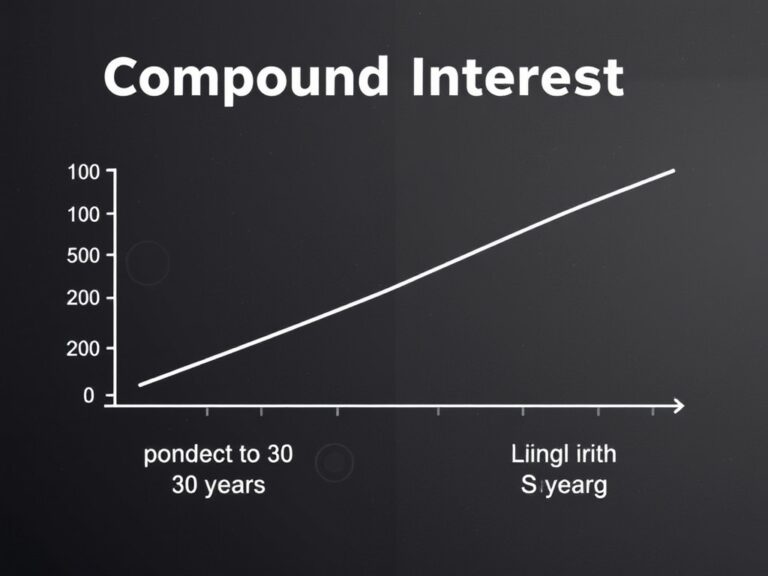
Building long-term wealth isn’t about hitting the lottery or finding a hot stock overnight; it is about adopting a systematic, disciplined approach to your finances. The absolute bedrock of this journey starts with understanding the magical power of compound interest, which Albert Einstein famously called the eighth wonder of the world. Essentially, compounding means your money earns money, and then that earned money earns even more money, creating a massive snowball effect over time. For instance, if you invest $500 monthly starting in your 20s, you will accumulate far more than someone investing $1,000 monthly starting in their 40s because of time. To unlock this power, however, you must adopt the second concept: paying yourself first. Instead of saving whatever is left over at the end of the month, you must automate your savings and investments the moment your paycheck hits your account. This simple shift ensures you are actively building your future net worth before paying your bills or buying non-essential items. By automating, you remove the emotional friction and decision fatigue associated with saving money. Over time, this consistent habit becomes second nature, and you will barely notice the money leaving your checking account.
- Automated transfer: Set up a recurring transfer to your brokerage.
- Time advantage: Start today to give compounding more time to work.
Ultimately, combining compound interest with automated discipline creates a powerful engine for early wealth creation. This dual approach ensures that your hard-earned money works just as hard for you as you did to earn it.
🛡️ Balancing Protection and Growth: Debt Management & Strategic Diversification
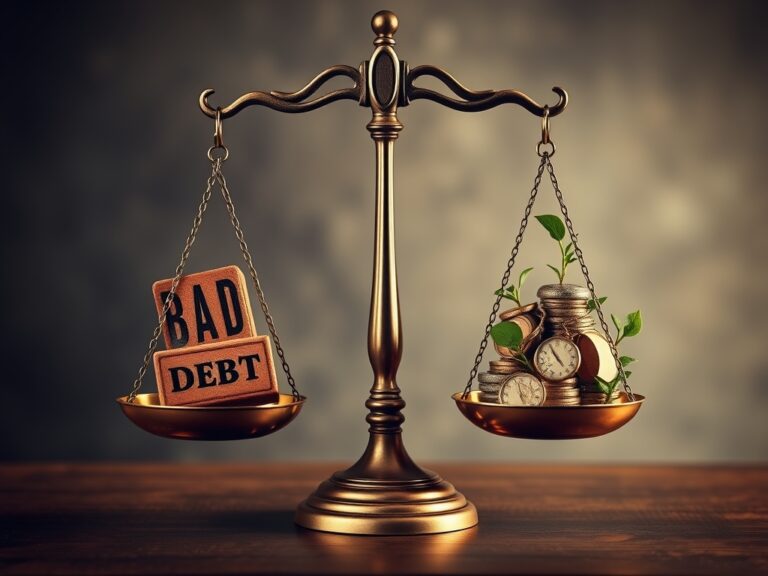
Once your savings are automated, you must tackle the dual forces of debt management and investment diversification. To build sustainable wealth, you need to understand the critical difference between good debt and bad debt. Bad debt, like high-interest credit card balances, acts as a financial anchor that drags down your net worth and slows your progress. Conversely, good debt—such as a low-interest mortgage or a student loan for a high-return degree—can be leveraged to acquire appreciating assets. Your priority should always be to eliminate high-interest liabilities as quickly as humanly possible. Once you have conquered bad debt, your next major milestone is learning how to protect your capital through asset diversification. Diversification is the financial equivalent of not putting all your eggs in one single basket. By spreading your investments across stocks, bonds, real estate, and other asset classes, you reduce risk while maintaining upside potential. A well-diversified portfolio ensures that a downturn in one sector won’t completely wipe out your life savings.
- Debt Snowball: Pay off the smallest debts first to build momentum.
- Asset Allocation: Balance your portfolio according to your age and risk tolerance.
Balancing smart debt elimination with robust diversification is the ultimate defensive strategy for your growing net worth. These two concepts work in harmony to protect your hard-earned capital from unnecessary risks and high-interest drains.
🌱 Maximizing Your Wealth Potential: Conscious Spending & Investing in Yourself
Beyond investing in external financial markets, you must focus on living below your means and investing heavily in yourself. Living below your means does not mean living a life of extreme deprivation or eating instant noodles every single day. Rather, it is about maintaining a healthy gap between your income and your lifestyle, commonly referred to as frugality with a purpose. As your income grows over time, you must actively resist the temptation of lifestyle inflation—the urge to buy a nicer car or a bigger house just because you can afford the monthly payments. By keeping your expenses stable while your earnings rise, you dramatically increase your investable surplus. This brings us to the sixth concept, which is that your greatest wealth-generating asset is actually your own earning potential. Investing in yourself through continuous education, learning new high-value skills, and earning certifications pays the highest dividends of all. When you increase your professional value, you can command higher salaries, start successful side hustles, or launch your own lucrative business. Remember, the stock market can fluctuate wildly, but a skill you master remains yours forever and continues to pay off.
- Avoid Lifestyle Creep: Keep your expenses constant even when you get a raise.
- Continuous Learning: Spend at least an hour daily reading or studying your industry.
Combining conscious spending with personal growth creates a powerful upward spiral for your lifetime earnings. Together, these two concepts ensure you have both the capital and the capability to build long-term wealth.
⏳ The Long Game: Embracing Patience and Building a Lifelong Roadmap
Finally, the ultimate glue that binds all these financial concepts together is maintaining a strict long-term perspective. The financial markets are inherently volatile, filled with short-term noise, media sensationalism, and terrifying downturns that test your resolve. If you react emotionally to daily market swings, you will likely make the classic mistake of buying high and selling low. Wealth building is not a get-rich-quick scheme; it is a decades-long game of patience, resilience, and emotional control. Successful investors understand that market corrections are normal and represent excellent opportunities to buy high-quality assets at a discount. By focusing on your long-term goals rather than short-term fluctuations, you can ride out any economic storm with peace of mind. To wrap up, these seven foundational concepts—compounding, automation, debt management, diversification, frugal living, self-investment, and patience—are your roadmap to true financial freedom. Implementing them doesn’t require a degree in finance, but it does require consistent execution and unwavering discipline over time. Start today by implementing just one of these concepts, such as automating a small monthly investment.
- Stay Patient: Trust the process and avoid checking your portfolio daily.
- Think Decades: Measure your progress in years and decades, not days or weeks.
As your knowledge and confidence grow, you can layer in the other concepts to accelerate your journey to financial independence. Your future self will thank you for the smart financial choices you make today.