
7 Essential Foundational Concepts for Building Long-Term Wealth
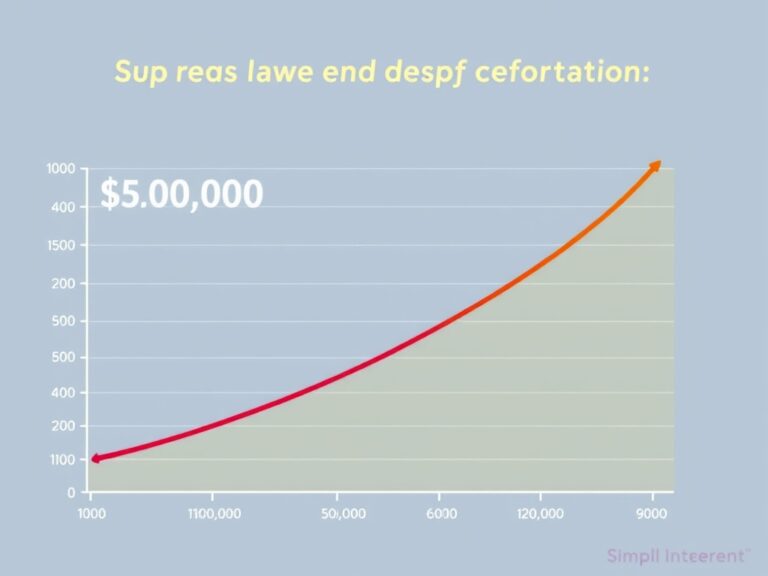
Welcome to the journey of financial freedom, a path that is less about luck and far more about mastering a few fundamental principles. Building long-term wealth isn’t an overnight miracle; it is a deliberate, daily practice of making your money work for you. The absolute bedrock of this journey is the concept of Paying Yourself First, which means automating your savings before you even look at your discretionary budget. By treating your savings as a non-negotiable monthly bill, you ensure that you are consistently building capital. This capital is the fuel for our second foundational concept: Compound Interest, often hailed as the eighth wonder of the world. When you reinvest your earnings, those earnings generate their own earnings, creating a snowball effect that accelerates over time. Imagine planting a single seed; over decades, it doesn’t just grow into a tree, but an entire self-sustaining orchard. To harness this power effectively, you must start as early as possible because time is the most valuable asset you have. Here is how you can jumpstart this process today:
- Automate Transfers: Set up an automatic transfer to your investment account on every payday.
- Reinvest Dividends: Always opt for automatic dividend reinvestment (DRIP) to maximize compounding.
- Start Small: Do not wait for a large sum; even $50 a month compounded over 30 years yields incredible results.
By integrating these habits, you transition from a passive consumer to an active wealth accumulator. Remember, the goal of building wealth isn’t just about accumulating dollar bills; it is about buying back your time and acquiring true ultimate freedom. Let’s make a commitment to look at every dollar not just for its current purchasing power, but for its future wealth-generating potential.
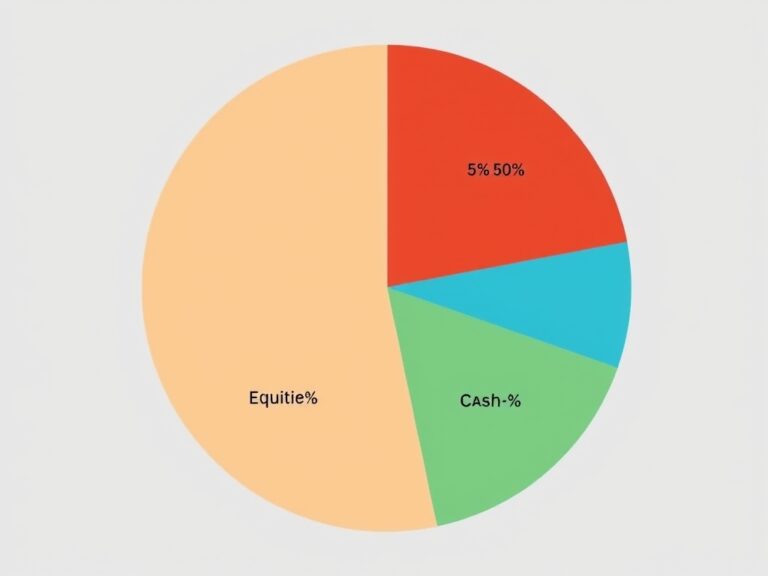
Once you have established a consistent savings rate, the next critical step is understanding where to allocate those hard-earned dollars. This brings us to Asset Allocation, which is the strategic distribution of your capital across various asset classes like equities, bonds, real estate, and cash. Your personal allocation should align closely with your risk tolerance, financial goals, and time horizon. Alongside allocation sits its close sibling, Diversification—the practice of spreading your investments within those asset classes to minimize risk. You’ve likely heard the old adage, Do not put all your eggs in one basket, and in the world of investing, this is your ultimate shield against market volatility. By spreading your bets across different sectors, industries, and geographies, a decline in one sector won’t devastate your entire portfolio. For example, when technology stocks take a breather, your investments in healthcare or consumer staples might hold steady or even rise. To build a robust, diversified portfolio, consider these essential vehicles:
- Low-Cost Index Funds: These track a broad market index, giving you instant exposure to hundreds of top-tier companies.
- Real Estate Investment Trusts: A great way to gain exposure to property markets without the hassle of being a physical landlord.
- Global Equities: Investing internationally ensures you aren’t solely dependent on the economic health of a single country.
Diversification doesn’t guarantee you will never experience a loss, but it significantly smoothens the ride over the long run. Think of it as building a sturdy, multi-legged stool that remains standing even if one leg experiences a temporary shock. Ultimately, mastering asset allocation and diversification allows you to sleep peacefully at night, knowing your wealth is built on a resilient foundation. As you progress, make sure to periodically rebalance your portfolio to maintain your target asset mix as market values fluctuate.
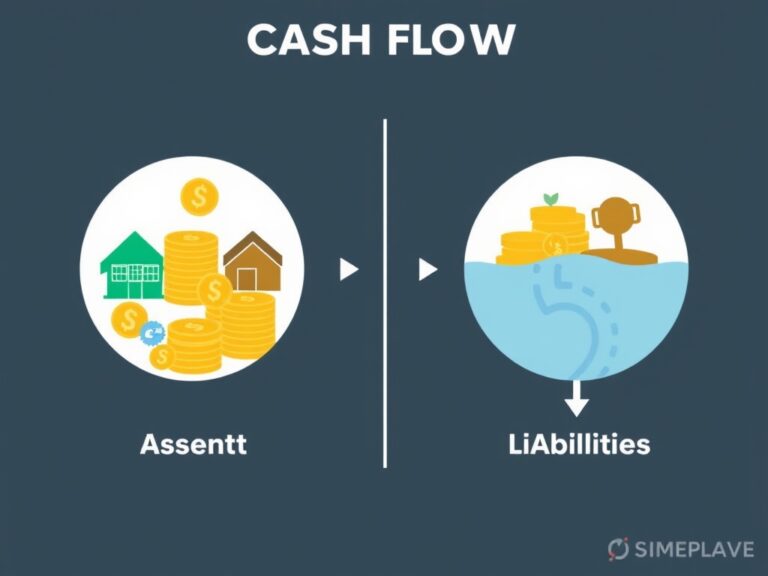
To truly scale your financial empire, you must learn to distinguish between what puts money in your pocket and what takes it out. This brings us to the famous distinction popularized by financial experts: the difference between Assets and Liabilities. An asset is something that generates income or appreciates in value over time, such as rental properties, dividend stocks, or intellectual property. Conversely, a liability is something that drains your cash flow, such as high-interest credit card debt, car loans, or luxury items that depreciate rapidly. While the middle class often buys liabilities thinking they are assets, the wealthy focus almost exclusively on acquiring cash-flowing assets. However, even the best offensive investment strategy can be completely derailed without a solid defensive shield: the Emergency Fund. An emergency fund is a dedicated stash of highly liquid cash reserved strictly for life’s unexpected events, like medical emergencies or job loss. Without this buffer, you might be forced to liquidate your long-term investments during a market downturn, locking in permanent losses. Here is how you can construct your financial defense system today:
- Target 3 to 6 Months: Aim to save three to six months’ worth of essential living expenses in a secure account.
- Use High-Yield Savings Accounts: Keep these funds liquid but ensure they earn competitive interest to outpace inflation.
- Strict Boundaries: Establish clear rules on what constitutes an emergency so you do not dip into this fund for casual purchases.
When you have a fully funded emergency reserve, you replace financial anxiety with profound peace of mind. This peace of mind allows you to make calm, rational long-term investment decisions instead of acting out of fear or desperation. Remember, wealth-building is just as much about keeping the money you make as it is about earning it in the first place.
As your wealth begins to accumulate, you will quickly realize that it is not just about what you make, but what you keep after taxes and fees. This introduces our sixth crucial concept: Tax Efficiency and Fee Minimization. High management fees and capital gains taxes can quietly erode up to a third of your portfolio’s potential growth over a multi-decade timeline. By utilizing tax-advantaged accounts like IRAs, 401(k)s, or local equivalents, you can shield your investments from the heavy hand of the tax collector. Additionally, choosing low-expense ratio funds ensures that more of your money remains invested and compounding rather than lining a broker’s pockets. However, even the most tax-efficient, diversified portfolio is useless without our seventh and most vital concept: Behavioral Discipline and Consistency. The greatest threat to your long-term wealth isn’t market volatility, inflation, or political shifts; it is almost always the person looking back at you in the mirror. Emotional investing—such as panic-selling during a market crash or buying into hype at the peak—is the single biggest destroyer of personal wealth. To cultivate the ultimate wealth-builder’s mindset, focus on these actionable behavioral habits:
- Dollar-Cost Averaging: Invest a fixed dollar amount regularly, regardless of whether the market is up or down.
- Tune Out the Noise: Ignore daily financial news headlines designed to trigger fear, uncertainty, and doubt.
- Review Annually, Not Daily: Check your portfolio balance sparingly to avoid making impulsive, emotion-driven trades.
True wealth is built quietly, boringly, and consistently over years of disciplined execution rather than through exciting, speculative gambles. By mastering your emotions and sticking to your plan, you elevate yourself above the crowd and secure your financial legacy. Now that you have these seven foundational pillars, the power is entirely in your hands to start executing and watch your wealth flourish.