10 Essential Foundational Concepts for Building Sustainable Long-Term Wealth
Mastering the Fundamentals of Long-Term Wealth
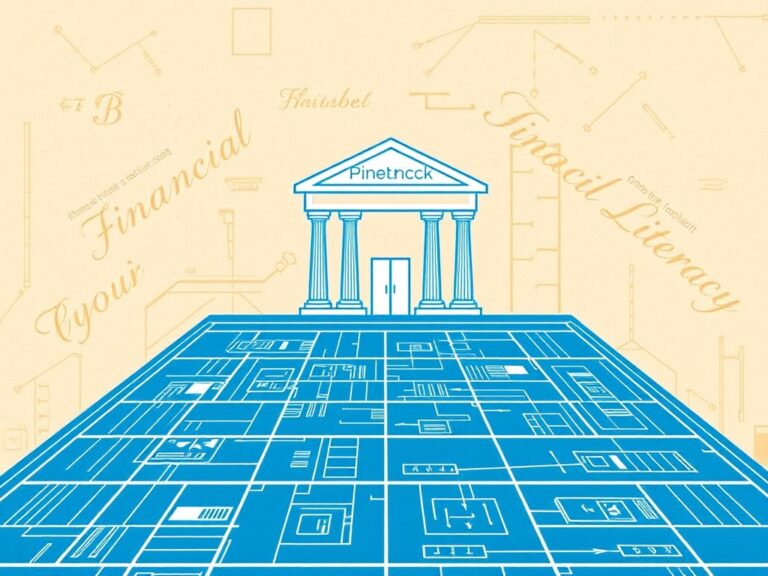
Building sustainable wealth isn’t about chasing the next ‘get-rich-quick’ scheme; it’s about mastering the foundational concepts that stand the test of time. Think of your financial future as a skyscraper: without a deep, reinforced foundation, even the most impressive architecture will eventually crumble. Financial literacy is the bedrock of your success, requiring you to shift your mindset from short-term gratification to long-term prosperity. You need to understand how money works, specifically the difference between assets that put money in your pocket and liabilities that take it out. Start by tracking every penny because you cannot manage what you do not measure. This journey is a marathon, not a sprint, so patience is your greatest ally. Focus on increasing your income while simultaneously optimizing your spending habits to create a healthy surplus. By prioritizing value over price, you position yourself to make smarter investments that compound effectively over decades. Remember, wealth isn’t just a number in a bank account; it’s the freedom to choose how you spend your time. Let’s dive into the core pillars that will transform your financial trajectory starting today.
The Power of Compound Interest and Strategic Investing
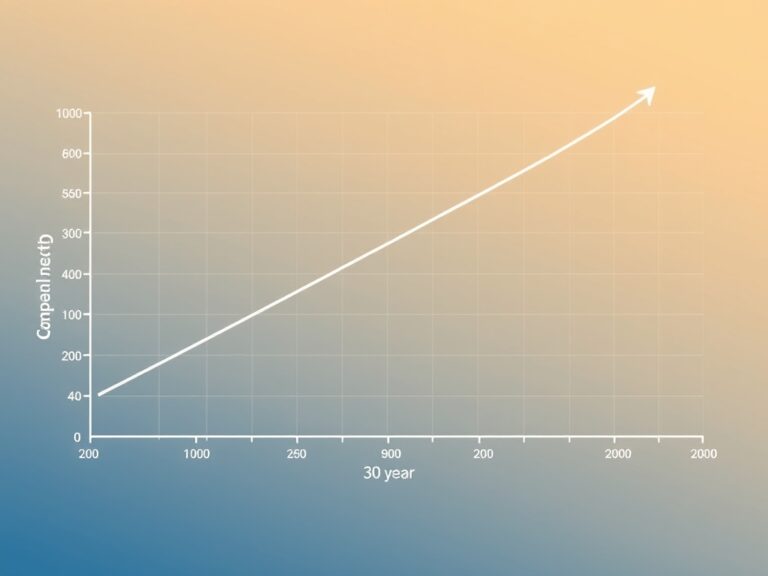
If there is one ‘magic’ secret to building wealth, it is undoubtedly the power of compound interest. Albert Einstein famously called it the eighth wonder of the world, and for good reason: it allows your money to grow exponentially rather than linearly. To harness this, you must start investing as early as possible, even if you are only contributing small amounts initially.
- Automate your savings to remove emotional decision-making.
- Diversify your portfolio to mitigate risk across different asset classes.
- Reinvest your dividends to accelerate the compounding effect.
By consistently staying in the market, you benefit from the long-term upward trajectory of the economy. Avoid the temptation to time the market, as history shows that ‘time in the market’ consistently beats ‘timing the market.’ Instead, focus on low-cost index funds or ETFs that provide broad exposure with minimal fees. These vehicles are the engines of sustainable growth, allowing you to build a robust safety net. When your money works harder than you do, you unlock the ability to generate passive income. This is the cornerstone of financial independence and the ultimate goal for anyone seeking lasting security.
Managing Debt and Optimizing Your Cash Flow
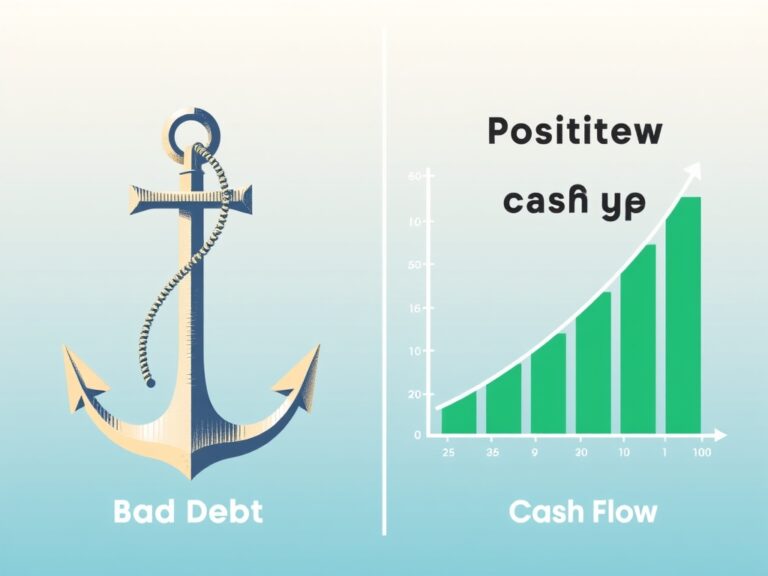
Not all debt is created equal, and understanding the nuance of leverage is essential for wealth preservation. High-interest consumer debt, such as credit card balances, acts like an anchor on your financial ship, draining your resources through interest payments. You must attack this ‘bad debt’ aggressively using strategies like the debt avalanche or snowball method. Once you have cleared the clutter, you can focus on optimizing your cash flow to ensure you have a surplus to deploy into wealth-building assets. Budgeting isn’t about restriction; it is about intentionality and ensuring your spending aligns with your core values. Try to maintain a healthy emergency fund equivalent to 3-6 months of living expenses to protect your investments from unexpected life events. By creating this buffer, you ensure that you never have to liquidate your long-term investments during a market downturn. Remember, wealth is built on the spread between what you earn and what you spend. By keeping your ‘lifestyle creep’ in check even as your income rises, you amplify your ability to invest. This disciplined approach is what separates those who simply ‘look’ wealthy from those who truly possess sustainable, long-term assets.
The Role of Mindset and Continuous Education
Finally, your most valuable asset is your own knowledge and mindset. The world of finance is constantly evolving, and staying ahead requires a commitment to continuous learning and adaptation. Subscribe to reputable financial publications, read books by industry experts, and don’t be afraid to seek professional advice when your portfolio reaches a level of complexity you cannot manage alone. Emotional intelligence plays a massive role in wealth building; the ability to remain calm when the markets are volatile will prevent you from making costly, reactive mistakes. Surround yourself with a community of like-minded individuals who are also focused on growth and accountability. Never stop asking questions or seeking new strategies to optimize your tax efficiency and estate planning. Building sustainable wealth is a lifestyle, not a destination you reach and then abandon. By cultivating a growth mindset, you remain resilient in the face of economic shifts. Ultimately, the 10 foundational concepts—ranging from early investing to smart debt management—work together to create a life of purpose. Stay consistent, stay disciplined, and keep your eyes on the long-term vision of your financial freedom.