
Market Movements and Economic Indicators Explained: A Plain-English Guide
Understanding the Pulse of the Market
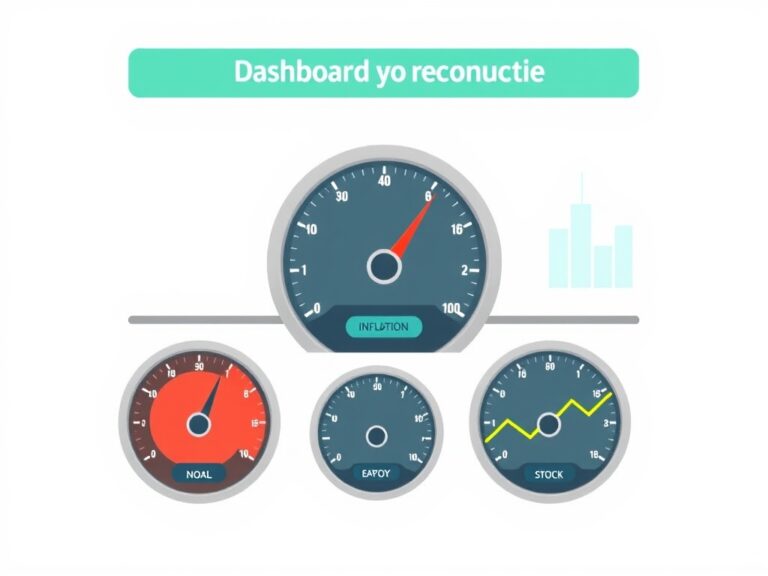
Have you ever looked at the stock market news and felt like you were reading a foreign language? You aren’t alone; the world of market movements and economic indicators often feels guarded by complex jargon designed to confuse the average investor. At its core, the market is simply a giant reflection of human sentiment and global health, acting like a barometer for how we feel about our collective future. When prices climb, it generally means optimism is high, but when they dip, it signals caution. By learning to decode these signals, you move from being a passive observer to an informed participant. This guide is designed to strip away the fluff and give you real-world clarity on what actually drives the numbers you see on your screen. Think of indicators as the dashboard of an economy, telling you exactly how fast we are going and how much fuel is in the tank. Let’s break down the mechanics behind the madness so you can navigate your finances with confidence and ease.
The Big Three Indicators You Must Watch
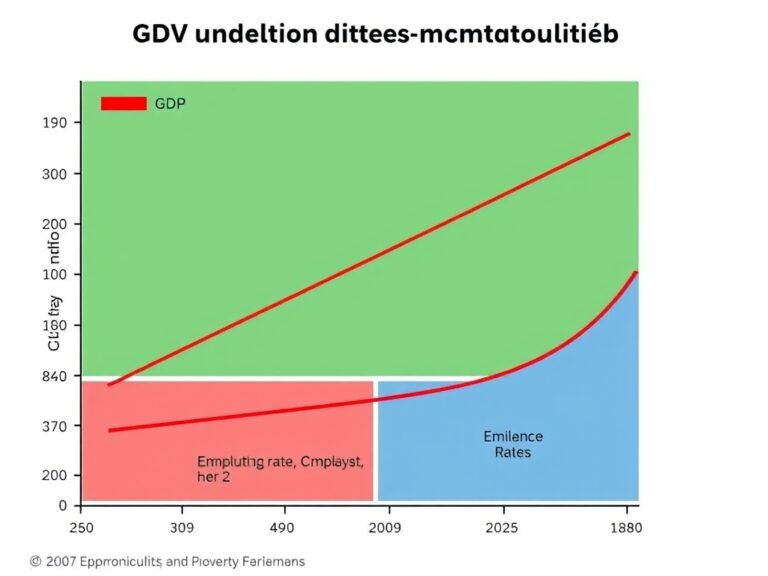
If you want to understand why the market shifts, you need to keep a close eye on a few heavy-hitter economic indicators that act as the backbone of financial analysis. First, there is GDP (Gross Domestic Product), which is essentially the total scorecard of everything a country produces; if it’s growing, the economy is generally healthy. Second, we have Inflation (CPI), which measures how much your money’s purchasing power is changing over time—a critical factor for long-term savings. Third, look at Unemployment Rates, as a job market with low unemployment signals high consumer spending power and economic expansion. When these three align, the market usually thrives, but when they deviate from historical trends, volatility often follows. Keeping track of these allows you to anticipate market movements rather than just reacting to them after the fact. Remember these three pillars:
- GDP: The economy’s overall health check.
- CPI: The cost of living and purchasing power.
- Unemployment: The engine of consumer spending.
You don’t need a degree in finance to track these; a quick search on any financial news portal will give you the latest monthly updates.
Why Sentiment and Psychology Move Markets
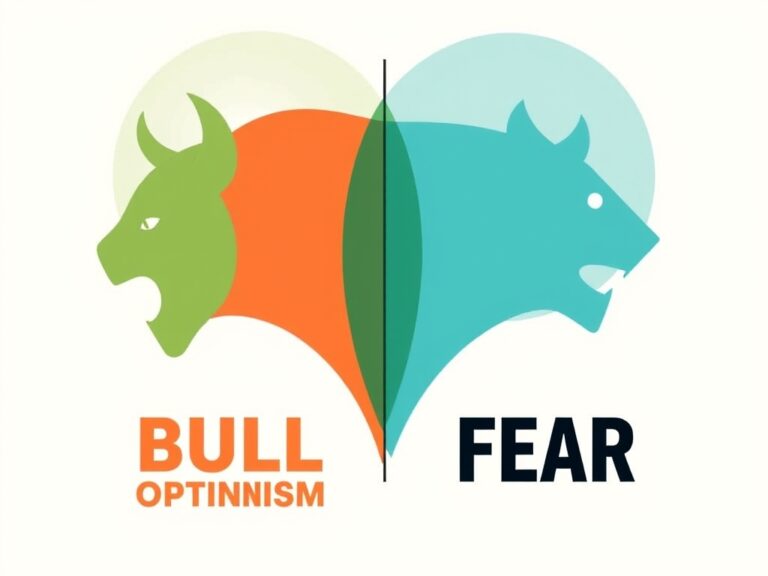
While hard data like interest rates are vital, never underestimate the power of human psychology in shifting market movements. Markets are essentially massive networks of people, and when fear or greed takes over, logic sometimes takes a backseat to emotion. This is known as market sentiment, and it can cause stocks to move up or down regardless of what the underlying economic indicators are actually suggesting. For instance, a positive jobs report might trigger a rally, but if traders are feeling nervous about future geopolitical events, that rally could be short-lived. Emotional intelligence is just as important as financial intelligence when you are building a portfolio. By understanding that volatility is often a byproduct of uncertainty, you can stay calm when everyone else is hitting the panic button. Always distinguish between a long-term economic shift and a short-term knee-jerk reaction caused by headlines. Staying grounded keeps you from making impulsive decisions that could derail your financial goals.
How to Put This Knowledge Into Practice
Now that you have the basic toolkit, how do you actually apply this to your daily life or investment strategy? Start by staying consistent rather than trying to time the market perfectly every single day, which is a game even the pros struggle to win. Use these indicators to gauge the broader environment, then make decisions based on your personal risk tolerance and your specific timeline. If you are investing for retirement, a temporary dip in the market because of a minor CPI adjustment shouldn’t change your long-term plan. Instead, use these insights to rebalance your portfolio and ensure you aren’t over-exposed to sectors that might suffer during high-inflation periods. Always keep a cautious but optimistic mindset, knowing that while markets fluctuate, historically they have trended upward over decades of growth. Your goal is to be a steady hand in a world of constant economic noise. Finally, never stop learning; as global economies change, so do the ways we measure them. You are now equipped to watch the news with a new level of professional skepticism and genuine understanding.