
Market Movements and Economic Indicators: A Plain-English Guide to Understanding the Economy
Understanding the Pulse of the Global Economy
Have you ever wondered why the news gets so excited—or panicked—every time a new jobs report drops or interest rates shift? It can feel like a secret language meant only for suit-wearing analysts on Wall Street, but here is the truth: economic indicators are really just the vital signs of our daily financial lives. Think of them as the dashboard of a car; they tell us how fast we are going, how much fuel is left, and if the engine is overheating. When we talk about market movements, we are essentially watching how investors react to these signals in real-time. By learning to read these cues, you can move from feeling overwhelmed to feeling empowered about your personal finance decisions. We are going to break down these complex trends into plain English so you can navigate the headlines with confidence. Whether it is inflation, GDP, or consumer confidence, these metrics influence your wallet, your job security, and your future investments. Let’s dive into how these gears turn together to keep the global machine running smoothly. Understanding the economy isn’t about predicting the future perfectly, but about reading the weather so you know when to bring an umbrella. Welcome to your beginner’s guide to staying ahead of the market curve!

The Big Three: GDP, Inflation, and Interest Rates
To understand the economy, you have to get familiar with the Big Three: GDP, inflation, and interest rates. First, Gross Domestic Product (GDP) is the total value of goods and services produced, essentially acting as the scorecard for a country’s growth. When GDP goes up, it usually means businesses are thriving and hiring, but when it dips, we might be headed for a slowdown. Next, we have inflation, which measures how much your money’s purchasing power is changing over time. A little inflation is normal, but high inflation acts like a hidden tax on your groceries and gas, making your dollar feel thinner. Finally, interest rates act as the thermostat for the economy, set by central banks like the Federal Reserve to cool down or heat up spending. If you are curious how these interact, consider this simple list of mechanics:
- Low interest rates encourage borrowing and spending, which pushes GDP up.
- High interest rates make borrowing expensive, which cools down inflation.
- Strong GDP usually leads to wage growth, but can also trigger inflationary pressure.
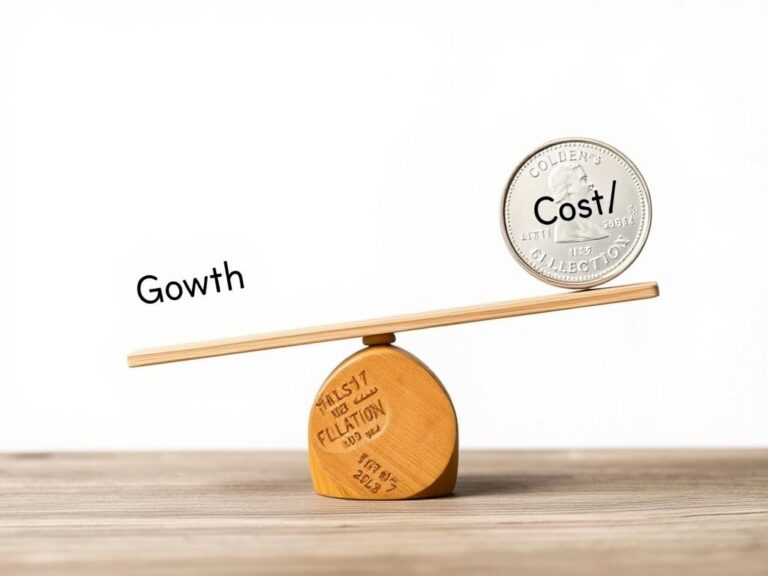
It is a constant balancing act that economists perform daily. Keeping an eye on these three metrics will give you a 90% head start on understanding why the markets move the way they do. It is all about the trade-off between growth and cost.
Decoding Consumer Sentiment and Employment Data
Beyond the raw numbers, the economy is also driven by psychology and the actual state of the labor market. Consumer Confidence reports are surveys that ask ordinary people like you how they feel about the economy; if people feel good, they spend money, which keeps the cycle moving. Similarly, the Unemployment Rate is perhaps the most famous indicator for a reason, as it directly impacts your household budget and the ability of businesses to scale. When more people are working, they have more disposable income to put into the market, creating a positive feedback loop of prosperity. It is fascinating to watch how the market reacts to these reports; a higher-than-expected unemployment figure can cause stocks to tumble because investors fear a drop in consumer demand. Conversely, steady job growth provides the stability that markets love, often leading to a ‘Goldilocks’ scenario where growth is just right. You don’t need a degree in economics to see the logic here; just pay attention to how your community is hiring and how your neighbors are spending.
- Jobs Report: The barometer for business health.
- Retail Sales: The pulse of consumer demand.
- Consumer Confidence Index: The mood ring of the economy.
These human-centered indicators turn cold, hard data into a story about real people living their lives. Understanding these helps you see the ‘why’ behind the ‘what’ of daily market shifts.
Putting It All Together: Your Strategy for Success
Now that you have the vocabulary, how do you actually apply this to your daily life or your investment portfolio? The key is to avoid knee-jerk reactions to every single headline, because the market is often noisy and reactive in the short term. Instead, look for long-term trends rather than daily fluctuations; volatility is a natural part of the market, not necessarily a sign of disaster. You should view economic indicators as helpful guideposts that help you stay informed, rather than rigid roadmaps that mandate immediate action. Consider diversifying your assets so that you are better prepared for different economic cycles, whether inflation is rising or growth is slowing down. Keep your emergency fund topped up, stay focused on your personal financial goals, and remember that market movements are often driven by collective fear or excitement. If you can keep a level head while others are panicking, you are already ahead of the game. Always remember that knowledge is the best defense against market uncertainty. You are now equipped with the basic tools to interpret the economic landscape like a pro. Keep learning, keep questioning, and keep an eye on those indicators to navigate your journey toward financial freedom with clarity and purpose. The economy might be complex, but with the right mindset, it becomes a puzzle you can solve one piece at a time.