
Making Sense of the Markets: A Plain-English Guide to Economic Indicators and Trends
Understanding the Economic Pulse: Why Market Trends Matter
Have you ever glanced at the financial news and felt like you were reading a foreign language? You aren’t alone; the world of economic indicators can feel like a labyrinth of jargon, but mastering these basics is essential for anyone looking to make sense of the markets. Think of these indicators as the vital signs of the global economy—when they move, the entire landscape shifts. 📈 By learning to interpret data like GDP growth, inflation rates, and consumer confidence, you move from being a passive observer to an informed participant. This guide is designed to strip away the complexity and provide you with actionable insights. Whether you are an aspiring investor or simply curious about how your wallet interacts with the global stage, understanding these trends is your first step toward financial literacy. We will explore how these data points act as a compass in volatile times. It is not just about the numbers; it is about the story they tell regarding our collective financial future. Let’s start this journey by demystifying the heartbeat of the market together.
The Big Three: GDP, Inflation, and Employment Data
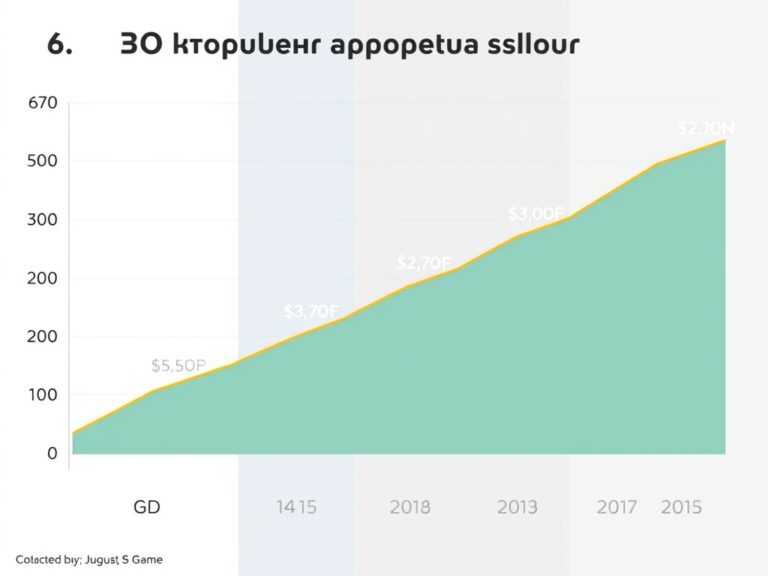
To really get a grip on economic health, you must look at the ‘Big Three’ indicators that move the needle most significantly. First, we have Gross Domestic Product (GDP), which serves as the total scorecard for a country’s economic production.
- GDP growth signals expansion and opportunity.
- Conversely, a contraction suggests a slowdown might be on the horizon.
Next is inflation, often measured by the Consumer Price Index (CPI), which acts as a gauge for the rising cost of living. When prices spike too quickly, it can erode your purchasing power, making it a critical metric to watch. 💸 Finally, employment data—specifically the non-farm payrolls—tells us how many people are working and earning, which drives consumption. If people have jobs, they spend money, which fuels the entire cycle of economic growth. Keeping an eye on these three metrics will give you a baseline for almost any market trend you encounter. These numbers are published regularly, providing a predictable rhythm to an otherwise chaotic financial world. By tracking these consistently, you develop a sense of timing for your own economic decisions.
Decoding Consumer Sentiment and Market Psychology
While hard data like GDP is vital, the economy is also driven by human emotion and market sentiment. 🧠 Indicators like the Consumer Confidence Index provide a snapshot of how optimistic or pessimistic the average person feels about their financial future. When confidence is high, households tend to spend more, invest in major purchases, and borrow for growth. If confidence craters, however, spending dries up, even if the underlying economy remains relatively stable on paper. This psychological factor is why stock markets can react so strongly to news that might seem trivial. 📉 It is important to remember that markets are essentially crowds, and crowds are governed by hope and fear. As an observer, recognizing this shift in sentiment can help you avoid emotional traps during periods of market volatility. Look for reports on retail sales and consumer sentiment surveys to get a read on this ‘gut feeling’ of the economy. Being aware of the difference between reality and perception will sharpen your analytical skills significantly. Always ask yourself: ‘Is the market reacting to cold, hard data, or just a collective mood swing?’

Turning Insights Into Action: Navigating Volatility
So, how do you take all this information and actually use it to make sense of the markets? The key is consistency and patience, rather than trying to time every small fluctuation. 🧘♂️ When you see positive economic indicators, it is a signal to stay the course or lean into growth opportunities. Conversely, when signs point toward cooling, it might be time to prioritize stability and risk management.
- Always maintain a diversified portfolio to hedge against individual sector volatility.
- Stay informed through reliable sources, but avoid the trap of constant ‘analysis paralysis.’
- Keep your long-term goals as your primary north star.
🚀 By applying these principles, you gain a sense of control over your financial narrative. Markets will always have cycles of ‘boom and bust,’ but your understanding of the drivers behind these cycles is your greatest asset. You are now equipped with the vocabulary and the conceptual framework to dive deeper into financial news with confidence. Remember, the goal isn’t to predict the future with 100% accuracy, but to understand the environment in which you are navigating. Stay curious, stay informed, and enjoy the process of becoming a more savvy market participant.