
Foundational Principles for Building Long-Term Wealth: A Strategic Guide
Mastering Your Financial Foundation
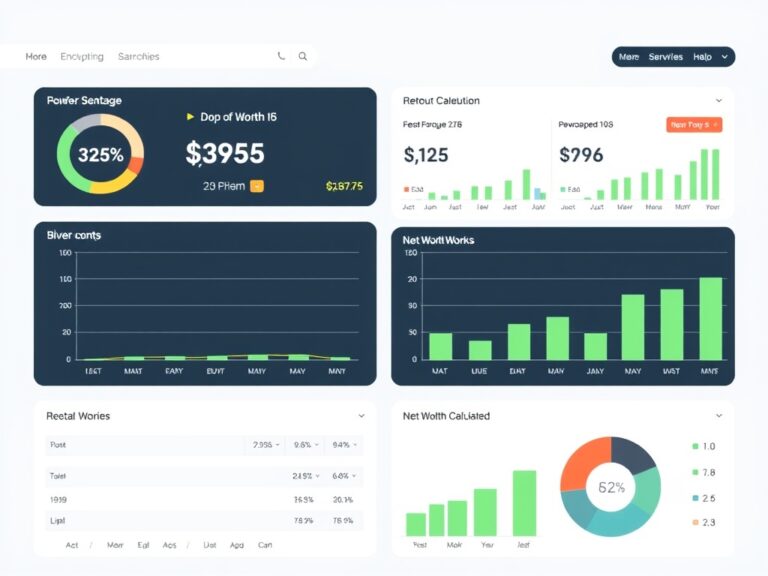
Building long-term wealth isn’t just about picking the right stocks; it’s about mastering the Foundational Principles for Building Long-Term Wealth through consistent, strategic habits. Many people look for a ‘get-rich-quick’ scheme, but the reality is that true financial freedom is a marathon, not a sprint. 🚀 To start your journey, you must first assess your current net worth—total assets minus your total liabilities—to understand where you stand today. Think of this as your financial GPS; you cannot navigate to a destination if you don’t know your starting point. It requires total transparency with yourself, even if the numbers look intimidating at first. By documenting every debt and every investment, you gain the clarity needed to make smarter decisions. Remember, you are the CEO of your own life, and every dollar is an employee that should be working for you. Cultivating a growth mindset is essential because wealth-building is as much psychological as it is mathematical. Are you ready to take control of your financial destiny by laying a rock-solid foundation today?
The Art of Strategic Budgeting
Once you know your numbers, the next step is mastering cash flow, which is arguably the most important skill in personal finance. A budget isn’t a restrictive set of rules; it is a strategic roadmap that ensures your money aligns with your deepest priorities. 📈 Consider using the 50/30/20 rule: allocate 50% of your income to needs, 30% to wants, and 20% to savings and debt repayment. This framework provides enough structure to keep you disciplined while still allowing for life’s little pleasures. You should also automate your savings so that your ‘future self’ gets paid before your ‘current self’ has a chance to spend the money. Automating your finances is the easiest way to remove the friction of decision-making and ensure consistent progress. Review your expenses monthly to identify ‘leaks’—small, recurring costs that drain your potential wealth over time. When you tighten your budget, you aren’t just saving pennies; you are capturing capital that can be deployed into wealth-building assets. Discipline in your spending habits is the engine that drives your long-term success.
Harnessing the Power of Compound Interest
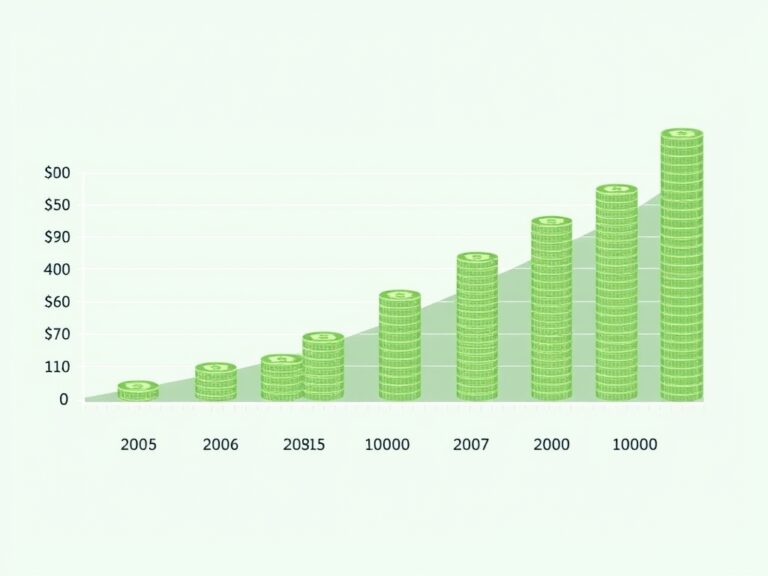
Albert Einstein famously called compound interest the ‘eighth wonder of the world,’ and it remains the primary driver of long-term wealth accumulation. Essentially, compound interest is the process where your earnings generate their own earnings over time, creating a snowball effect. ❄️ The key is starting as early as possible because time is your greatest asset in this equation. Consider these three components for success:
- Consistency in your monthly contributions
- High-quality, low-cost index funds
- Patience during market fluctuations
By reinvesting your dividends and capital gains, you allow your money to grow exponentially rather than linearly. Even small amounts, when invested early and left untouched, can transform into significant sums thanks to the magic of compounding. Do not be tempted to pull your money out when the market gets volatile; instead, stay the course and keep your eyes on your long-term goals. Your goal is to maximize your time in the market rather than trying to time the market itself. This passive growth approach is how the wealthiest people stay wealthy without having to trade more of their precious time for money.
Diversification: Your Financial Safety Net
You have likely heard the old adage: ‘Don’t put all your eggs in one basket.’ This is the cornerstone of risk management in wealth building. Diversification means spreading your investments across different asset classes—such as stocks, bonds, real estate, and potentially small business ventures—to protect your capital from localized downturns. 🛡️ A well-diversified portfolio acts as a shock absorber when one sector of the economy struggles, ensuring that your overall financial stability remains intact. It is important to remember that true diversification goes beyond just owning many stocks; it means owning different *types* of assets that react differently to economic events. As your net worth grows, you may want to look into tax-advantaged accounts like a 401(k) or an IRA to further maximize your efficiency. Keep your costs low by choosing low-expense ratio ETFs (Exchange Traded Funds) that offer broad exposure to the market. By reducing your risk, you increase the likelihood of sticking with your strategy for the decades required to build lasting wealth. Stay informed, stay diversified, and stay steady on your path toward financial independence.