
Decoding the Economy: A Plain-English Guide to Market Movements and Indicators
Understanding the Pulse of the Global Economy
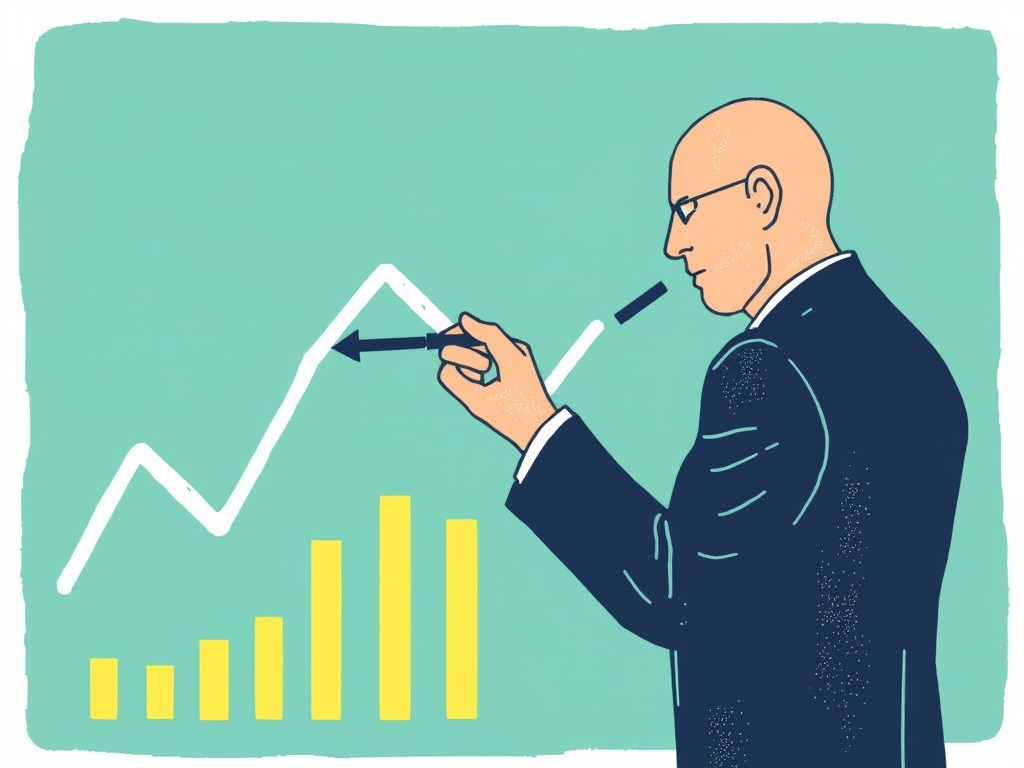
Have you ever watched the news and felt like market analysts were speaking a completely different language? You aren’t alone; decoding the economy often feels like deciphering a complex riddle, but it really boils down to a few core rhythms. At its heart, the economy is simply a massive collection of people and businesses buying, selling, and interacting every single day. When we talk about market movements, we are essentially tracking the collective confidence of these participants. Think of it as a giant, interconnected web where every transaction ripples outward, influencing everything from the price of your morning coffee to your 401(k) balance. By learning to read these signals, you move from being a passive observer to an informed participant who can make better financial decisions. It is not about predicting the future with a crystal ball, but rather understanding the trends that shape our daily reality. Let’s strip away the jargon and look at the real drivers behind these shifts so you can navigate financial headlines with confidence. Understanding these basics is your first step toward true financial literacy in an increasingly volatile world.
The Big Three: Essential Economic Indicators
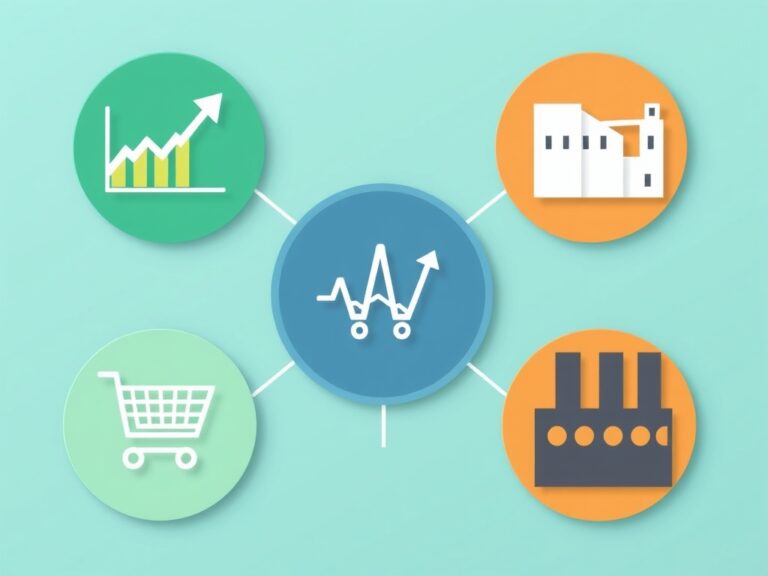
To really grasp what is happening, you need to watch the key economic indicators that act like a car’s dashboard. First, we have Gross Domestic Product (GDP), which measures the total value of all goods and services produced within a country’s borders. If GDP is growing, it typically signals a healthy, expanding economy where businesses are hiring and people are spending. Second, we look at the Consumer Price Index (CPI), which is the gold standard for tracking inflation and how much your dollar is losing—or gaining—in purchasing power. Third, there is the Unemployment Rate, a critical metric that tells us how many people are actively looking for work but can’t find it.
- GDP: The economy’s report card.
- CPI: The cost of living thermometer.
- Unemployment: The indicator of labor market health.
When these three metrics start trending in unexpected directions, investors usually scramble to adjust their portfolios. By keeping an eye on these, you can anticipate changes before they hit your personal bank account. They provide the context needed to understand why interest rates move or why stock markets might feel jittery despite ‘good’ news elsewhere.

Why Interest Rates are the Economy’s ‘Gas Pedal’
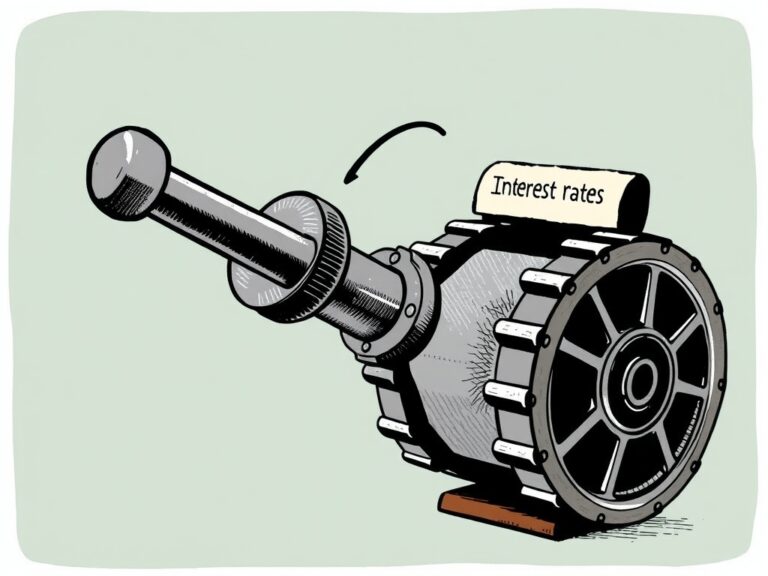
If the economy were a vehicle, interest rates set by the Federal Reserve would definitely be the gas pedal and the brake. When the Fed lowers rates, borrowing money becomes cheaper, which encourages businesses to expand and consumers to finance big purchases like homes or cars. It effectively puts ‘gas’ in the tank to speed up economic activity when things are feeling sluggish. Conversely, if the economy starts overheating or inflation runs too high, the Fed will ‘hit the brakes’ by raising interest rates to cool down spending. It is a delicate balancing act that requires a deep understanding of market sentiment and economic data to get right. Too much heat leads to painful inflation, while too much cooling can trigger a recession. Investors spend an enormous amount of time analyzing every word from central bankers because these rates dictate the cost of capital for every major company on the planet. Understanding this mechanism helps you realize that market volatility is often just a reaction to the shifting cost of borrowing money. It is a predictable cycle that repeats, yet it constantly catches unprepared investors by surprise.
The Psychology of Market Movements
Finally, we cannot ignore the human element; market psychology often drives movements far more than hard logic does. Even with the best data, the stock market can be driven by fear and greed, leading to irrational rallies or sudden, panic-induced sell-offs. When investors feel optimistic, they bid prices up, often beyond what the underlying fundamentals might justify. Conversely, when uncertainty creeps in, the herd mentality takes over, and even solid companies can see their share prices drop sharply. Staying objective is your greatest asset in this environment because it prevents you from making emotional decisions based on temporary volatility. Remember that successful long-term investing is usually about ignoring the ‘noise’ and focusing on the long-term trend lines. You can practice this by:
- Diversifying your investments to spread risk.
- Ignoring short-term sensationalist news headlines.
- Maintaining a consistent, long-term savings strategy.
By keeping a level head while everyone else is panicking, you gain a massive advantage in navigating the cycles of the global economy. Ultimately, the market is a voting machine in the short run but a weighing machine in the long run, and your goal should be to focus on the weight of the facts rather than the noise of the crowd.