
Building Long-Term Wealth: Essential Foundational Concepts for Financial Success
The Mindset Shift: Why Building Wealth is a Marathon
Building long-term wealth isn’t about hitting a sudden lottery win or finding a magic shortcut; it is fundamentally about the compounding effect of consistent, disciplined financial habits over time. When you start your journey toward financial freedom, you must first cultivate an investor mindset that prioritizes long-term growth over fleeting gratification. Think of your money as a seed that needs constant care, patience, and the right environment to flourish into a mighty oak. Many people fall into the trap of ‘lifestyle creep,’ where their spending increases at the same rate as their salary, but true wealth creators aggressively avoid this common pitfall. By choosing to invest in assets rather than liabilities, you are effectively buying your future freedom one paycheck at a time. Consider the power of financial literacy: the more you understand about how markets and interest rates work, the more confident you will become in your decision-making. Developing this foundational layer requires a commitment to lifelong learning, which serves as your strongest defense against market volatility. You are essentially building a moat around your personal economy that protects you from life’s inevitable financial storms. Remember, every dollar you save today is a soldier fighting for your future retirement. Embrace the process, stay curious, and keep your eyes fixed on the horizon rather than the noise of daily market fluctuations.

Mastering Your Cash Flow and Budgeting Frameworks
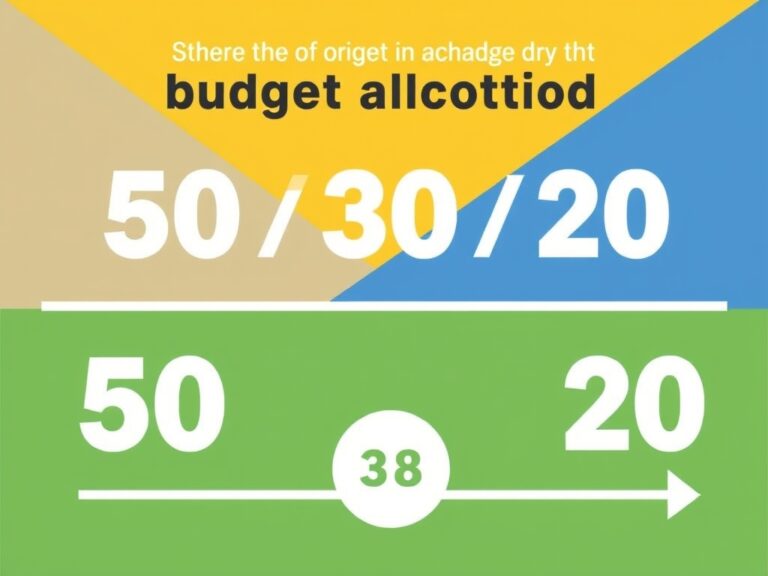
To scale your net worth effectively, you must master the fundamental mechanics of your monthly cash flow, starting with a clear understanding of your income versus your expenses. Utilizing a structured
- 50/30/20 rule (50% needs, 30% wants, 20% savings/investments)
can act as a North Star, guiding your financial decisions without requiring you to track every penny you spend. This framework is essential because it forces you to prioritize your wealth-building goals while still allowing for reasonable lifestyle enjoyment. If you find your savings rate is low, the focus shouldn’t just be on cutting costs—it should also involve exploring strategies to increase your income through side hustles or career advancement. Think of your budget as a blueprint for your financial house; without a solid plan, you are merely guessing how high you can build. It is important to treat your ‘savings’ or ‘investments’ as a non-negotiable expense that gets paid immediately upon receiving your paycheck. This ‘pay yourself first’ strategy is the secret weapon used by high-net-worth individuals to ensure their financial goals remain the top priority. Periodically reviewing your recurring subscriptions and debt interest rates can also free up hidden cash you didn’t even realize you were losing. Automation is your best friend here; by setting up automatic transfers to brokerage accounts, you remove the emotional burden of decision-making. Consistent cash flow management is the bedrock upon which all other investment strategies must be built to ensure long-term sustainability.
The Core Pillars of Investment Strategy
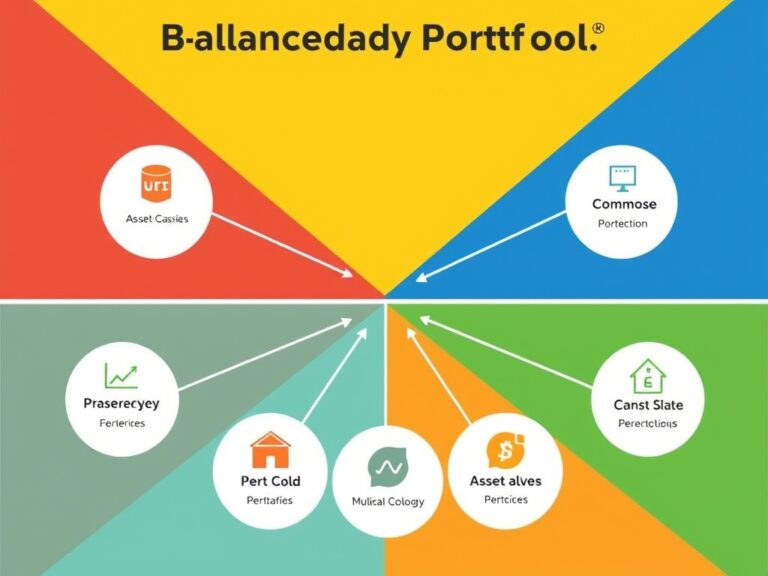
Once your cash flow is optimized, it is time to deploy your capital into high-growth investment vehicles that leverage the power of diversification. A well-rounded portfolio typically includes a mix of low-cost index funds, exchange-traded funds (ETFs), and perhaps some exposure to individual equities or real estate. The beauty of broad-market index funds is that they allow you to own a slice of the entire economy, drastically reducing the risks associated with betting on a single company or sector. Diversification isn’t just a buzzword; it is the primary way investors protect themselves against catastrophic losses during market downturns. You should also consider your risk tolerance and time horizon: if you have decades until retirement, you can afford to be more aggressive with your asset allocation to maximize potential returns. Conversely, as you move closer to your goals, shifting toward more conservative assets can help preserve the wealth you have worked so hard to build. Don’t be swayed by ‘get rich quick’ schemes or speculative bubbles; these are the enemies of true, compounding wealth. Instead, follow a disciplined strategy of dollar-cost averaging, where you invest a fixed amount at regular intervals regardless of the market’s price. This removes the stress of trying to ‘time the market’ and keeps you focused on the long-term trend. By keeping your fees low and your tax efficiency high, you ensure that more of your earnings stay in your account to continue growing over time.
Protecting Your Assets and Planning for the Unexpected
Finally, building long-term wealth is incomplete without a robust plan to protect the assets you have accumulated through hard work and discipline. This means maintaining an emergency fund—typically 3 to 6 months of living expenses—that sits in a high-yield savings account ready for life’s unexpected emergencies. Think of this fund as your financial insurance policy, preventing you from having to dip into your long-term investments when disaster strikes. Furthermore, proper estate planning and ensuring you have adequate insurance coverage—whether life, disability, or property—is critical to safeguarding your family’s future. It is a common misconception that only the wealthy need wills or trusts; in reality, these tools are for anyone who wants to ensure their wishes are carried out and their assets are transferred efficiently. Tax-advantaged accounts like IRAs and 401(k)s are also powerful tools that, when used correctly, can significantly decrease your tax burden over a lifetime. Stay informed about changes in tax laws and seek the advice of a financial advisor if your situation becomes complex. Your path to wealth is a unique journey that requires constant vigilance, but by setting up these protective layers, you can sleep soundly knowing your foundation is secure. You are playing the long game now, and every step you take reinforces your legacy of financial independence. Keep moving forward, stay disciplined in your contributions, and trust in the system of compounding to deliver the freedom you truly deserve.