
Making Sense of the Markets: A Plain-English Guide to Economic Indicators and Trends
Understanding the Pulse of the Global Economy
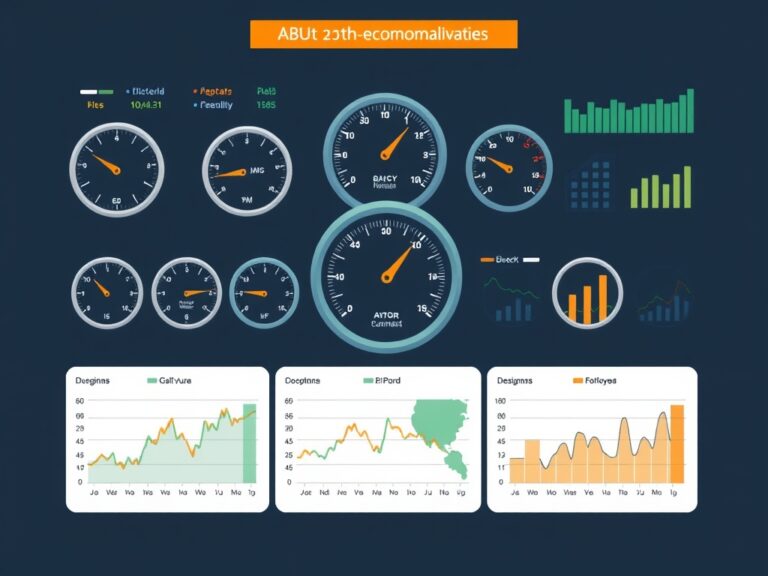
Have you ever glanced at financial news and felt like you were reading a foreign language? You are certainly not alone, as the world of economic indicators can feel incredibly daunting at first glance. Think of these indicators as the vital signs of our global market—much like a doctor checks your blood pressure to understand your health, investors watch these metrics to gauge the financial wellness of nations. Whether it is the rise and fall of interest rates or the shifting landscape of unemployment statistics, every data point tells a unique story about how money moves through our world. Our goal today is to strip away that confusing jargon and give you the tools to interpret these trends with confidence. By learning to identify what really matters, you can move from being an anxious observer to an informed participant in your financial future. Let us start by acknowledging that markets are driven by human behavior, which is often reflected in these cold, hard numbers. Understanding the context behind the data is the key to making sense of the chaos. Grab a cup of coffee, and let’s dive into the fascinating mechanics that drive our economic engine.
The Big Three: GDP, Inflation, and Unemployment
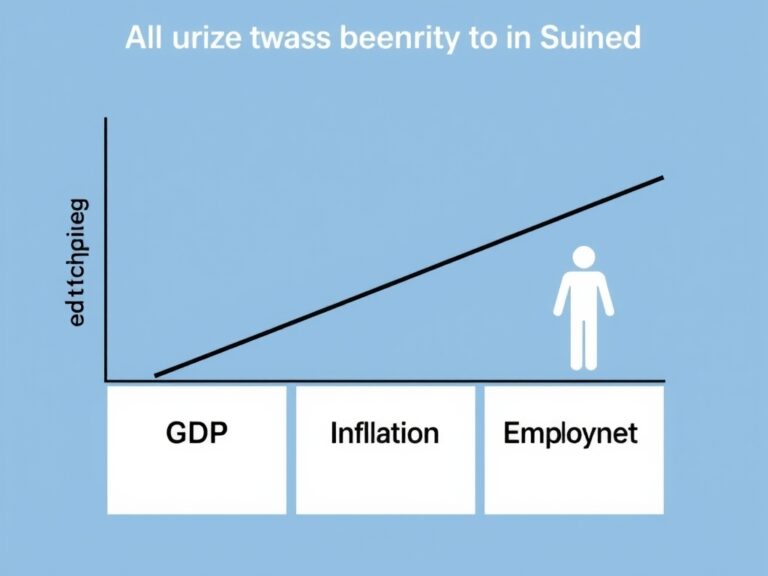
When you start tracking market trends, there are three primary indicators that you absolutely must have in your toolkit. First, Gross Domestic Product (GDP) acts as the ultimate scorecard, measuring the total value of all goods and services produced within a country over a specific period. If GDP is growing, the economy is generally considered healthy, while a contraction could signal a looming recession. Second, inflation is the silent thief that impacts your purchasing power; it tracks how much the cost of living increases over time. Keeping an eye on the Consumer Price Index (CPI) helps you see if your money is going as far as it used to. Third, we have the unemployment rate, which reveals the health of the labor market and the general confidence levels of businesses. When more people are working, they have more disposable income to fuel further economic growth. To keep these straight, remember this simple hierarchy:
- GDP: The total size of the economic pie.
- Inflation: How quickly the price of the pie increases.
- Unemployment: How many people have the money to buy a slice.
Mastering these three metrics will give you a remarkably clear picture of where we stand at any given moment.
Interest Rates and the Role of Central Banks
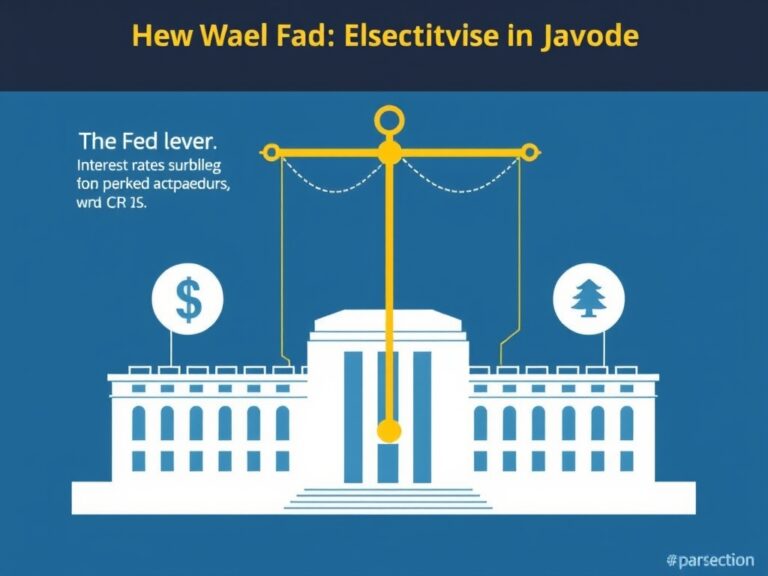
If GDP is the fuel of the economy, then interest rates are the steering wheel controlled by the Federal Reserve and other central banks. When the economy is overheating, banks often raise rates to discourage excessive borrowing and cool down spending, which naturally helps to keep inflation in check. Conversely, when the economy feels sluggish, they lower rates to make borrowing cheaper, encouraging businesses to expand and consumers to make big purchases like homes or cars. This constant balancing act is designed to maintain economic stability, but it often sends shockwaves through the stock and bond markets in the process. You might notice that when rates go up, stock prices often experience a brief period of volatility or decline because the cost of capital increases for companies. Understanding this relationship helps you avoid panic when you see headlines about rate hikes, as it is often just a deliberate part of the market cycle. Patience is your best friend here, as these adjustments take time to ripple through the entire financial ecosystem. Staying calm during these shifts is the hallmark of a savvy investor who looks at the long-term trend rather than the short-term noise.
Putting It All Together: Becoming an Informed Observer
Now that we have covered the basics, how do you synthesize all this information into a cohesive strategy for yourself? The most important takeaway is that no single indicator provides the whole truth; you must look at the confluence of data to spot the real trends. It is helpful to follow reputable financial news outlets, but always cross-reference their headlines with primary data sources like the Bureau of Labor Statistics. Developing a routine where you check these indicators monthly can transform your financial literacy, making you feel much more in control of your destiny. Remember that the market is inherently forward-looking, meaning it often reacts to future expectations rather than just current data. Stay curious, keep asking questions, and do not be afraid to look deeper when something seems confusing or out of place. Whether you are investing for retirement or simply trying to understand how your taxes might change, this knowledge is incredibly empowering. You have the ability to cut through the noise and focus on the signals that actually impact your life. Thank you for joining me on this deep dive into the markets—go forth and apply this knowledge with total confidence!