
Decoding the Markets: A Plain-English Guide to Economic Indicators and Trends
Decoding the Markets: Your Gateway to Financial Literacy
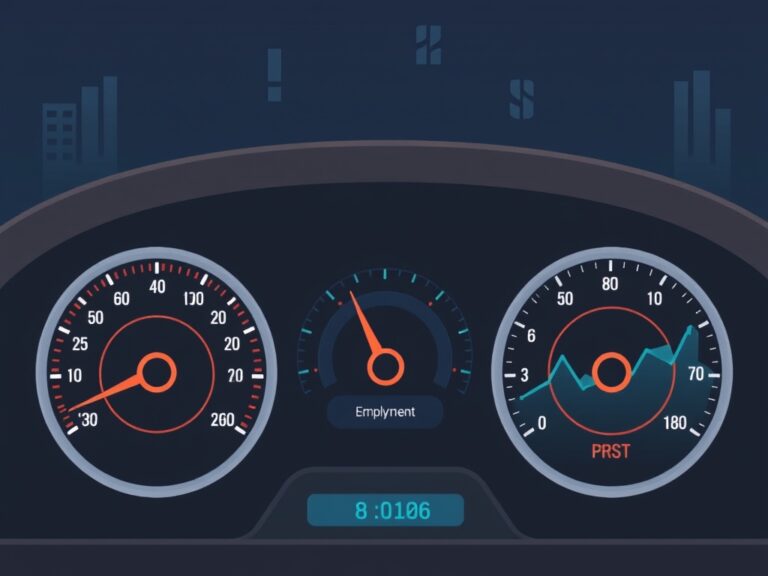
Have you ever watched the evening news and felt completely lost when experts start tossing around terms like ‘inflation rates’ or ‘yield curves’? You are certainly not alone, as the world of global economics often feels like it is written in a secret, complex language designed to confuse the average person. However, understanding these signals is actually the key to taking control of your financial future and making informed investment decisions. Economic indicators are essentially the vital signs of our national and global health, telling us exactly how the ‘patient’ is performing. Think of them as a dashboard for a car; without them, you would be driving blindly through a thick fog with no idea how much fuel you have left. In this guide, we are going to break down these complicated metrics into plain, conversational English that anyone can grasp immediately. We will explore how these trends impact your bank account, your job security, and the broader stock market. By the end of this post, you will feel confident enough to cut through the jargon and spot the trends that actually matter for your portfolio. Let’s embark on this journey together to demystify the markets and put you back in the driver’s seat.
The Big Three: Understanding Inflation, Employment, and GDP
To truly understand the heartbeat of the economy, we need to focus on the three pillars that economists watch more than anything else: GDP, Inflation, and Employment.
- GDP (Gross Domestic Product): Think of this as the total scoreboard for all goods and services produced in the country over a specific time period.
- Inflation (CPI): This tracks the rising cost of everyday items like gas, bread, and housing, showing you how much ‘buying power’ your dollar really has today.
- Employment (The Jobs Report): This is perhaps the most important social indicator, as it reveals how many people have steady income to keep the wheels of the economy turning.
When these three numbers are healthy, consumer confidence tends to soar, leading to more spending and business investment across the board. If the jobs report shows high unemployment, however, that is a red flag that spending might drop, potentially cooling down the entire market. It is all about balance; for instance, if the economy grows too fast, it can lead to runaway inflation, which hurts your long-term savings. Learning to spot these trends early allows you to pivot your personal finances before a major shift occurs. Keeping an eye on these simple, high-level data points is a superpower that most people ignore to their own detriment.
How Interest Rates and Central Banks Influence Your World
If GDP is the engine of the economy, then interest rates are the pedals that control how fast or slow we go. When the Central Bank, like the Federal Reserve, decides to hike interest rates, they are essentially trying to tap the brakes on an overheated economy to keep inflation in check. Higher interest rates mean that borrowing money becomes more expensive for everyone, from your local small business to your own home mortgage or auto loan. Conversely, when rates are low, it becomes cheaper to borrow money, which acts like a stimulant for businesses to hire more workers and for people to buy more houses.
- Borrowing costs rise, which slows down personal spending.
- Corporate profits may face pressure due to higher debt servicing costs.
- Savings accounts might actually start offering a decent return for once!
It is a delicate balancing act that requires constant monitoring of global events, political stability, and supply chain health. When you see news about the Fed meeting, do not change the channel; pay attention, because that meeting is effectively determining the cost of your future debt. Understanding this relationship helps you time your big purchases, like buying a house, when borrowing costs are more favorable to your personal budget.
Putting It All Together: Becoming an Informed Observer
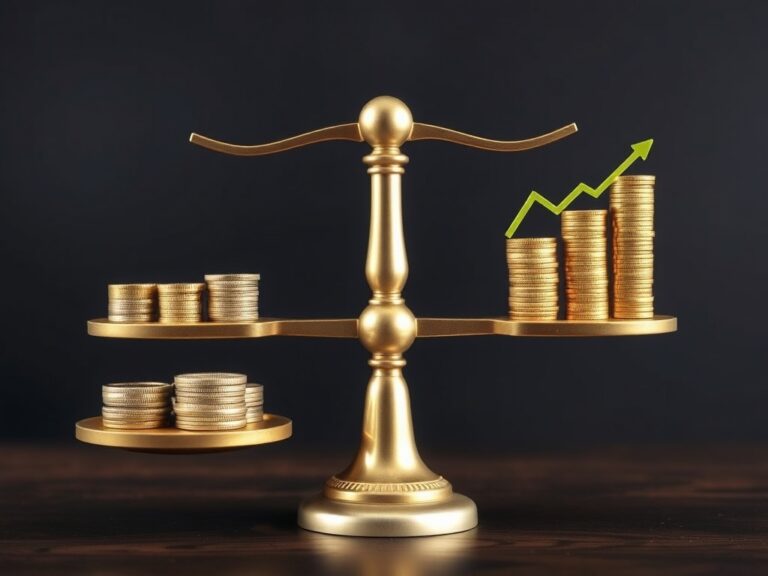
Now that you know the building blocks, how do you keep up with all this information without spending your entire day glued to a screen? The key is consistency; you do not need to be a Wall Street analyst to stay informed about the economic indicators that impact your life. Try setting up a simple alert for major reports like the monthly Non-Farm Payrolls or the Consumer Price Index (CPI) so you can stay in the loop without feeling overwhelmed. Remember, markets are often driven by psychological sentiment just as much as they are by hard data, so keep a cool head when news headlines get sensational. Educational investing is a marathon, not a sprint, and your ability to filter out the noise is just as important as the data itself. You are now equipped with the vocabulary to have intelligent conversations about the state of the economy at your next dinner party. Continue to research, ask questions, and look for patterns in how these indicators interact with your own daily expenses and investments. The more you watch, the clearer the patterns will become over time, turning confusing jargon into actionable intelligence. Stay curious, stay informed, and remember that financial literacy is the single best investment you can make for your future prosperity.