
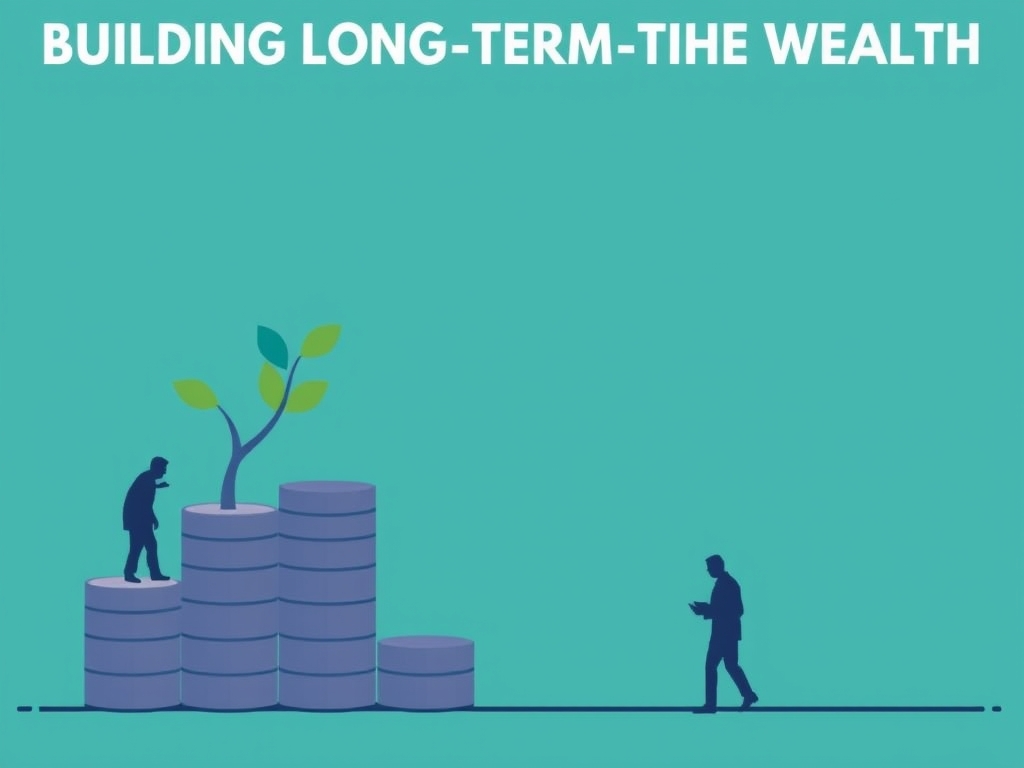
Building Long-Term Wealth: Essential Foundational Concepts for Financial Success
Mastering the Financial Mindset for Lasting Prosperity
Building long-term wealth isn’t just about how much you earn; it is fundamentally about how you manage what you keep and how you grow it over time. Financial success starts with a fundamental shift in perspective where you prioritize delayed gratification over instant rewards. Imagine your future self looking back at the decisions you make today—are they setting you up for freedom or stress? To start this journey, you must cultivate a growth mindset that embraces continuous learning and adapts to changing market conditions. Consider these foundational habits that every successful wealth-builder adopts:
- Tracking every dollar of your monthly income and expenses.
- Setting clear, actionable financial goals with firm deadlines.
- Automating your savings to remove the temptation of overspending.
- Understanding the difference between ‘good’ debt and ‘bad’ debt.
By internalizing these concepts, you transform your relationship with money from one of reactive struggle to proactive strategy. Consistency is the secret ingredient that turns modest savings into substantial capital over a decade or two. You don’t need to be a Wall Street expert to achieve these results; you just need to be disciplined. Remember, the journey of a thousand miles begins with a single, well-managed dollar. Start by reviewing your current bank statements today and identifying one area where you can optimize your outflow. Your path to security is paved with intentional choices and persistent action. Let’s move forward and explore how to turn these habits into a compounding engine.
The Magic of Compounding: Your Greatest Financial Ally
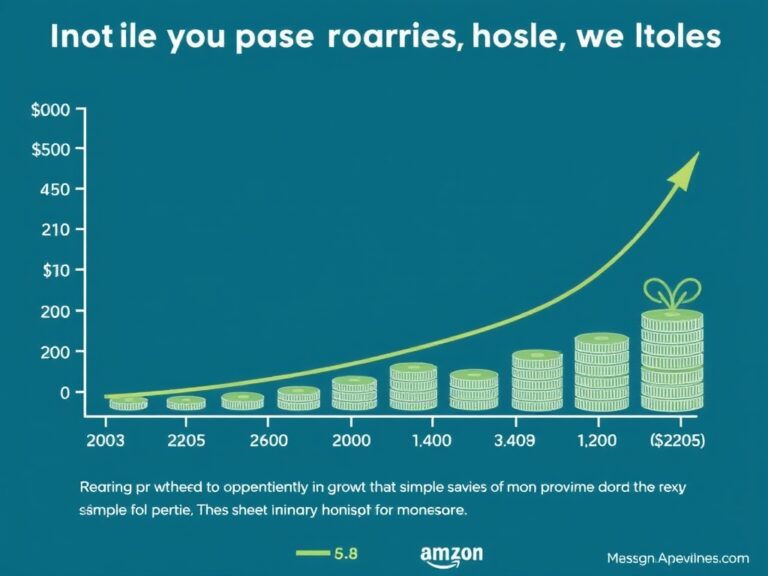
If you want to understand how wealth truly accumulates, you must grasp the mathematical power of compounding interest. It is often called the ‘eighth wonder of the world’ because of how it allows your money to grow exponentially rather than linearly. When you invest early, the returns you earn on your investments begin to generate their own returns, creating a snowball effect. Compound interest is most effective when given time, which is why your most valuable asset right now is your age. Consider these key drivers of compounding success:
- Starting your investment contributions as early as possible.
- Reinvesting all dividends and capital gains rather than spending them.
- Maintaining a long-term horizon to ride out short-term market volatility.
- Minimizing investment fees that can eat into your compounded growth.
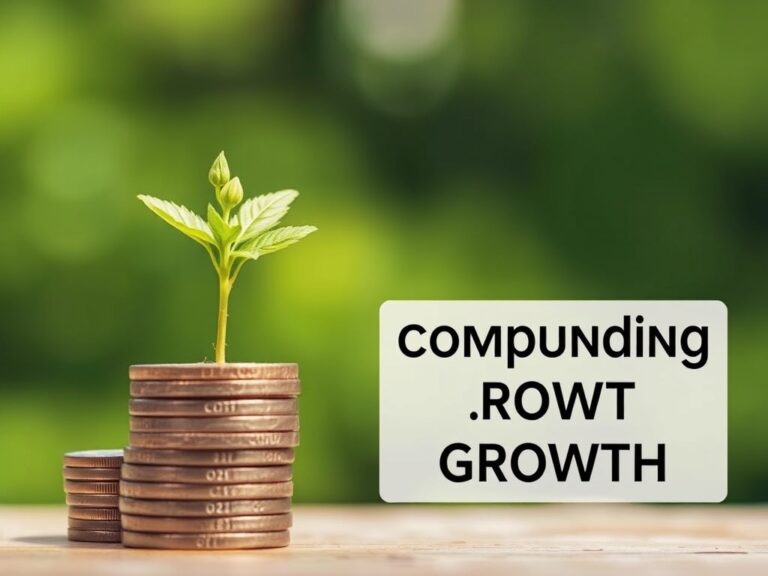
It isn’t just about picking the perfect stock; it is about staying invested in a diversified portfolio that mirrors the growth of the global economy. Many people wait for the ‘perfect’ time to start, but the market rarely provides a clear signal. By consistently putting money into low-cost index funds, you harness the power of time to work for you while you sleep. Think of your initial investment as a seed; if you keep digging it up to check on it, it will never grow into a tree. Trust the process, trust the mathematics, and let your wealth accumulate naturally. You will be amazed at how a modest monthly contribution grows into a significant nest egg over twenty or thirty years. This is how ordinary people build extraordinary lives through simple, repeatable systems.
Diversification: The Essential Strategy for Risk Management
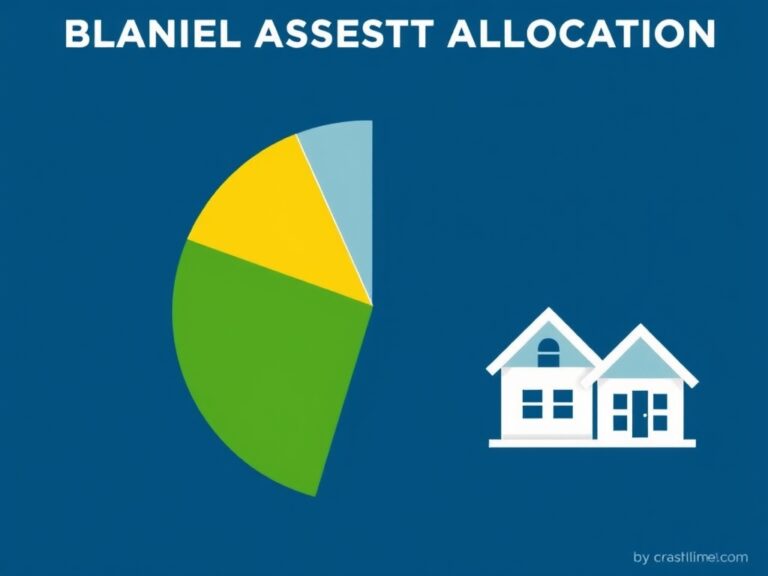
In the pursuit of long-term wealth, protecting what you have already built is just as important as growing it. This is where the concept of asset allocation and diversification becomes critical to your financial strategy. Never put all your eggs in one basket, as market fluctuations can be unpredictable and harsh. By spreading your capital across various asset classes like stocks, bonds, real estate, and commodities, you create a buffer against systemic shocks. A well-diversified portfolio acts like a ship’s ballast, keeping you stable even when the financial waters get rough. Here are the core components of a resilient portfolio:
- Global stock index funds to capture worldwide economic growth.
- High-quality bonds to provide stability and income during market dips.
- Emergency savings in a high-yield account to avoid liquidating investments.
- Periodic rebalancing to ensure your risk exposure stays within your target.
Diversification doesn’t mean just buying ten different tech stocks; it means buying assets that behave differently in different economic cycles. When stocks are down, other assets might be holding steady or rising, which smooths out your overall performance. This approach minimizes the ’emotional rollercoaster’ that leads many investors to sell at the worst possible time. Risk management is not about avoiding risk entirely, but about managing it intelligently so you can stay in the game for the long haul. Keep your eyes on your objective and avoid chasing ‘get-rich-quick’ trends that lack fundamental value. A boring, diversified portfolio often outperforms a ‘hot’ stock tip over the course of a lifetime. Stick to your plan, embrace the boring nature of long-term investing, and enjoy the peace of mind that comes with a balanced financial life.
Consistency and the Discipline of Financial Maintenance
Finally, we must address the most overlooked aspect of wealth building: ongoing financial maintenance. You cannot set a financial plan once and simply forget about it for twenty years. Life changes, income levels shift, and the global economy evolves, requiring you to perform regular check-ups on your financial health. Consistency is your greatest tool, but it must be coupled with periodic adjustments to keep your goals aligned with your reality. Dedicate time each quarter to review your progress and assess whether your current trajectory is still meeting your needs. Consider these maintenance habits for lasting success:
- Adjusting your savings rate as your income increases (avoiding ‘lifestyle creep’).
- Updating your beneficiary information and estate planning documents.
- Re-evaluating your risk tolerance as you approach retirement milestones.
- Learning about new tax-efficient strategies to keep more of your hard-earned money.
Discipline is often hard, but the regret of being unprepared is significantly harder. Many people fall into the trap of ‘lifestyle inflation,’ spending every extra dollar they earn on luxuries that don’t contribute to their net worth. To build long-term wealth, you must prioritize your future freedom over temporary status symbols. Keep your costs low, your savings high, and your focus sharp on your long-term vision. Success is not a destination but a continuous habit of making smart, small, and sustainable decisions every single day. By remaining committed to these foundational concepts, you build a fortress of financial security that can weather any storm. You are the architect of your own financial destiny, so make sure you are building on a solid foundation. Start today, stay disciplined, and watch as your financial dreams slowly but surely turn into your everyday reality.