
Market Analysis Simplified: Understanding Economic Indicators and Trends in Plain English
Mastering Market Analysis: Decoding Economic Trends
Have you ever felt like financial news is written in a secret code designed to keep you out of the loop? You aren’t alone; market analysis often sounds intimidating, but it is essentially just tracking the health of the economy to make better decisions. Think of the economy as a living, breathing entity that sends out signals, which we call economic indicators, to let us know if it is growing or slowing down. By understanding these simple signals, you can move from feeling overwhelmed to feeling empowered. We are going to strip away the jargon and break down exactly what you need to look for to stay ahead of the curve. Whether you are an investor or just curious about why prices move, this guide is your roadmap to clarity. Let’s look at the basic building blocks that drive market sentiment and shape our financial reality. Knowledge is your greatest asset, and learning to interpret these trends is easier than you think. Throughout this post, we will explore the metrics that actually matter. Get ready to turn complex data into actionable insights for your daily life.
Key Indicators: The Pulse of the Market
One of the most important things to track is Gross Domestic Product (GDP), which is essentially the scorecard for a nation’s total economic production. When GDP goes up, it usually signals that businesses are thriving and people are spending more money, which is generally great for investors. Another vital metric is the Consumer Price Index (CPI), which measures how much your basket of groceries or gas might cost you compared to last year. If CPI is climbing rapidly, we call that inflation, and it is a key reason why your money might lose its buying power over time. Understanding these numbers helps you anticipate central bank moves, like changes in interest rates, which directly impact your wallet. Here are three key areas to keep your eye on:
- GDP Growth: The overall economic engine.
- Inflation (CPI): The hidden tax on your savings.
- Employment Data: The strength of the workforce.
Keeping tabs on these simple reports keeps you ahead of the news cycle. It is not about becoming a PhD economist; it is about recognizing the rhythm of the financial world. By tracking these patterns, you stop reacting to headlines and start understanding the underlying movement of the markets.
Spotting Trends Before They Peak
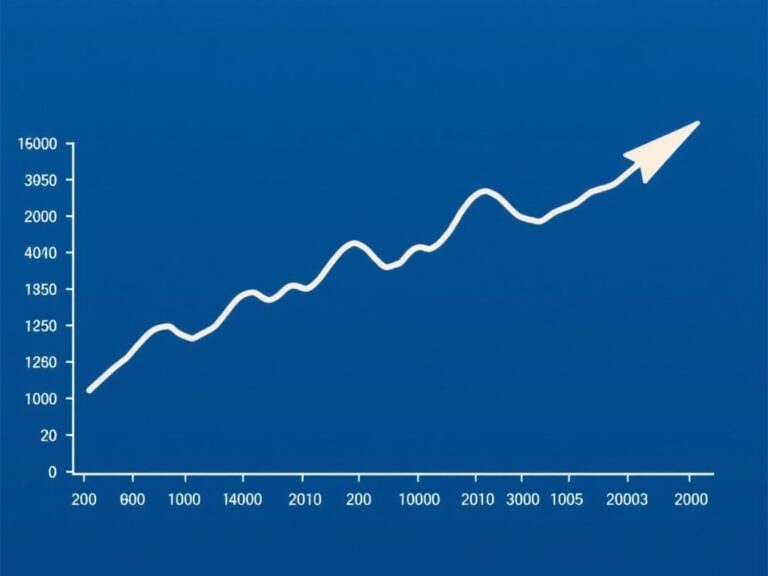
Identifying trends is less about a crystal ball and more about observing market psychology and momentum. When you see consistent data, like three straight months of rising retail sales, you are witnessing a trend that might suggest a long-term bull market. Smart investors don’t guess; they look for confluence, where multiple indicators point in the same direction simultaneously. For instance, if unemployment is dropping while factory orders are rising, that is a strong signal of sustainable growth. However, be wary of ‘noise’—short-term market volatility that doesn’t reflect the bigger picture of economic health. You should focus on leading indicators, which provide a glimpse into the future rather than just reporting what happened last month. Always ask yourself: ‘Is this a temporary spike, or is this part of a structural shift in the market?’ Keeping a level head during high volatility is what separates the casual observer from the savvy analyst. Remember that markets have cycles, and every trend eventually reaches a point of exhaustion. Staying patient and disciplined will save you from making emotional decisions based on temporary market hype.

Simplified Strategy for Your Financial Future
Now that you have the basic toolkit, how do you apply this to your own life? Start by setting aside ten minutes each week to check a few reliable sources for the latest economic data, focusing specifically on the indicators we discussed. You don’t need to overcomplicate your strategy; often, the most successful people are those who focus on the long-term trends rather than daily price fluctuations. Consider how these trends impact your personal industry or sector, as that is where you will find the most relevant opportunities. If you find yourself feeling lost, remind yourself that clarity comes with consistency. You are building a skill set that will serve you for decades, not just for the current market cycle. Encourage yourself to think critically about the information you consume; just because a news outlet screams about a ‘crash’ doesn’t mean the data supports it. Stay humble, keep learning, and don’t be afraid to adjust your perspective as new information becomes available. By keeping things simple and sticking to the fundamentals, you are already ahead of the majority of the crowd. Empower yourself with knowledge, and watch how your confidence in navigating market analysis grows over time.