
Decoding the Markets: A Plain-English Guide to Economic Indicators and Trends
Understanding the Financial Pulse: Why Economic Indicators Matter
Have you ever wondered why the stock market zig-zags even when everything seems fine, or why your grocery bill suddenly hits your wallet harder? Decoding the markets isn’t just for Wall Street pros; it’s an essential skill for anyone looking to navigate their personal finances with confidence. At its core, the economy is like a giant, complex organism, and economic indicators are the vital signs that tell us how it is performing. By keeping an eye on these signals, you can move from being a confused spectator to an informed participant. Think of these indicators as a weather report for your money, helping you decide when to save, when to invest, or when to tighten your budget. We’re going to break down the technical jargon into plain English so you can finally grasp what move the needle. Whether it is inflation data or employment reports, understanding the context is the secret sauce to smarter decision-making. Let’s strip away the complexity and look at the real stories behind the numbers. Grab a coffee, because we are about to make sense of the economic landscape together.
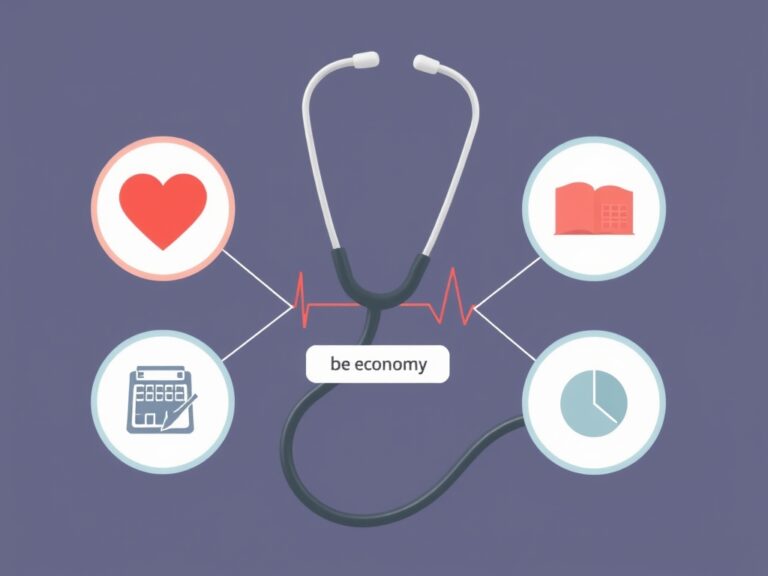
The Big Three: GDP, Inflation, and Unemployment
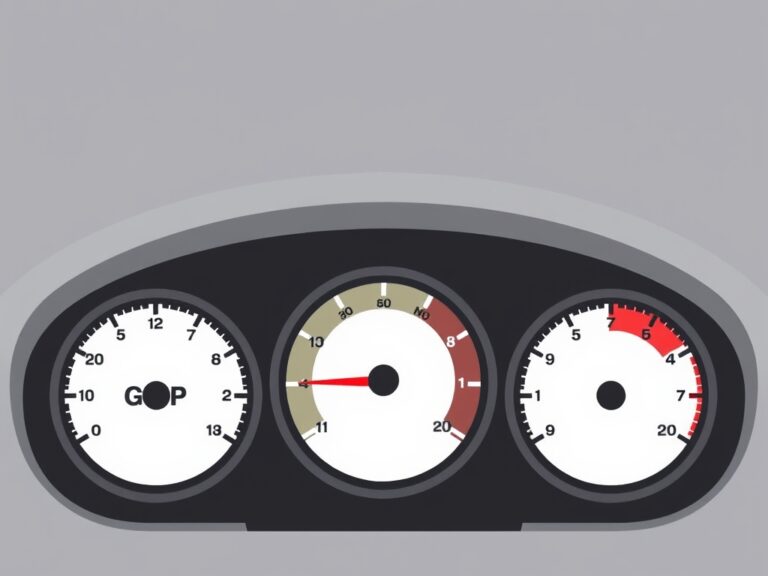
To really get a handle on market trends, you have to master the ‘Big Three’ indicators that serve as the foundation of economic analysis. First, we have Gross Domestic Product (GDP), which acts like a scorecard for the entire country’s productivity—essentially, it’s the sum total of all goods and services produced. Next, we look at Inflation, measured often by the Consumer Price Index (CPI), which tracks how fast the purchasing power of your money is shrinking over time. Finally, the Unemployment Rate tells us how many people are actively looking for work but can’t find it, providing a window into the health of the labor market. When these three work in harmony, the economy feels like it is cruising on a highway, but when they diverge, volatility follows.
- GDP growth signals expansion and opportunity.
- Inflation spikes usually trigger central bank interest rate hikes.
- Job data shows the long-term sustainability of consumer spending.
Understanding how these interact helps you predict potential shifts before they show up in your bank account. It is a balancing act, and knowing the rules makes the game much more predictable for you.
Interest Rates and the Role of Central Banks
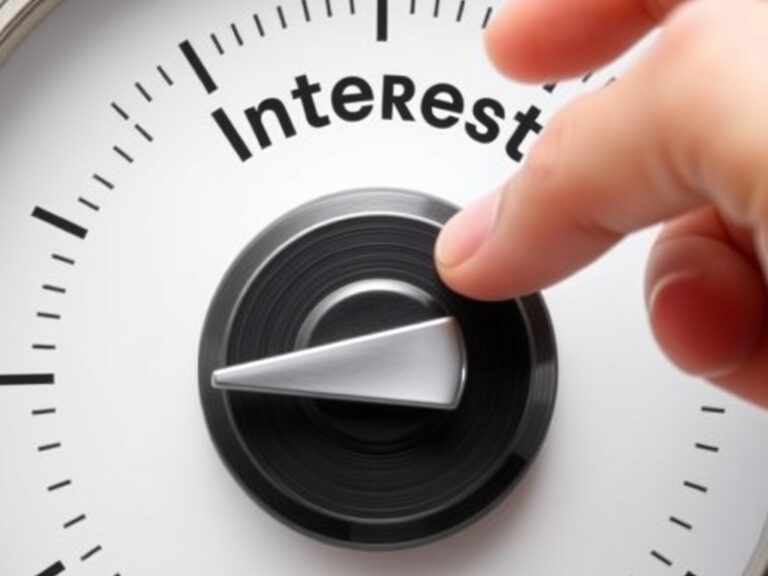
If the economy is the vehicle, interest rates are the steering wheel controlled by the central bank. When the economy is overheating, banks raise rates to cool down spending, which makes borrowing money—like mortgages or credit cards—more expensive for everyone. Conversely, when things are sluggish, they lower rates to encourage borrowing and investment, essentially pumping fuel into the engine. Understanding this relationship is critical because it directly impacts your investment portfolio and your cost of debt. Market trends are almost always reactive to central bank policy because it dictates the ‘cost of money.’ Investors constantly watch for signals from the Federal Reserve, searching for clues about whether rates will stay steady, rise, or fall. If you are planning a big purchase, like a house or a new car, paying attention to this trend can save you thousands over the life of your loan. It isn’t just theory; it is a practical lever that dictates your personal purchasing power. Keep a close watch on these announcements, as they are often the biggest catalysts for short-term market shifts.
Navigating Future Trends with Confidence
Now that you have the basics down, how do you synthesize this into a long-term strategy? The goal isn’t to predict the future perfectly—nobody can do that—but to build resilience against economic uncertainty. Instead of chasing every headline, focus on long-term economic cycles and diversify your assets to weather the storms. Pay attention to leading indicators like consumer confidence surveys or manufacturing output, which often provide a ‘preview’ of where the economy is headed in the next six months. By staying curious and regularly checking these data points, you build a mental framework that filters out the noise of media hype. Remember, financial literacy is a journey, not a destination, and you are already ahead of the game by simply trying to understand the ‘why’ behind the market moves. Always keep your long-term goals in sight, and use these indicators as a compass rather than a map. You have the power to decode the complexity and turn it into actionable insights that protect your future. Stay informed, stay steady, and you will navigate the markets like a pro.