
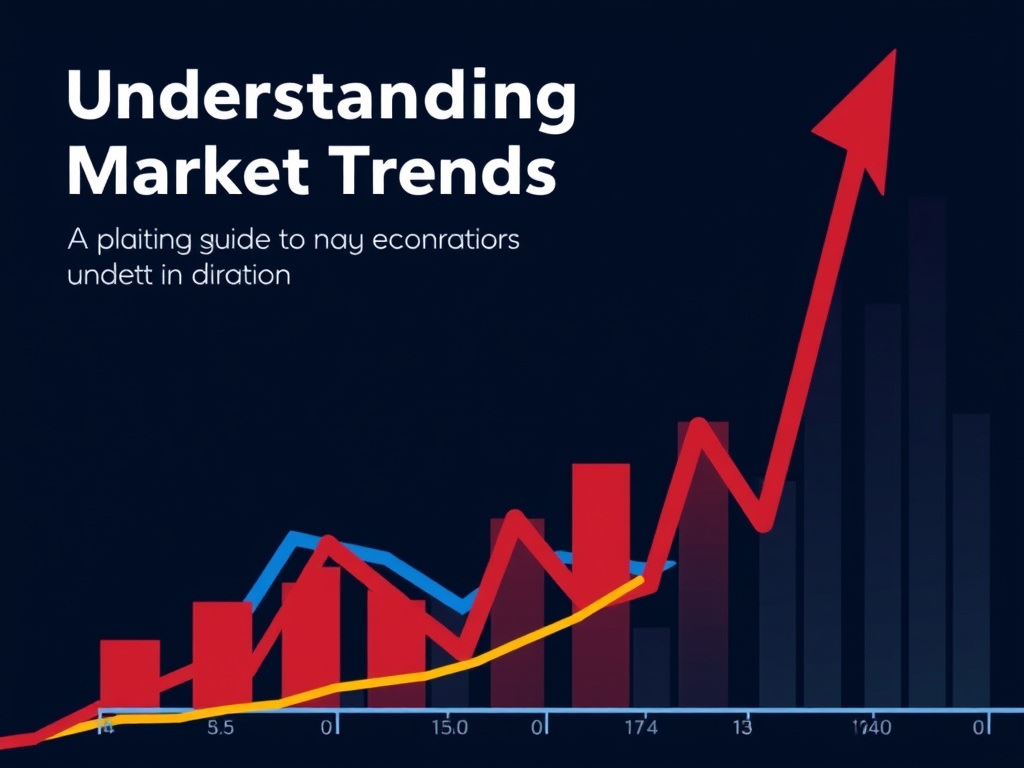
Understanding Market Trends: A Plain-English Guide to Economic Indicators
Decoding the Pulse of the Economy: What Are Indicators?
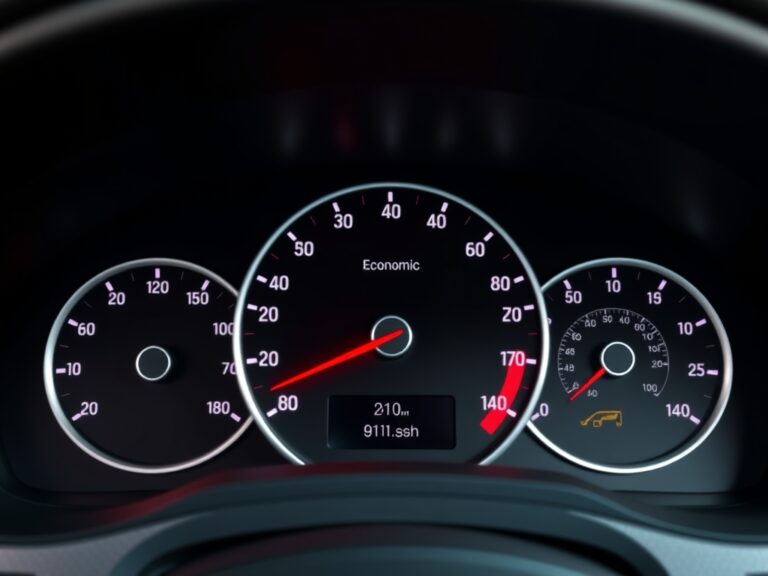
Have you ever wondered why the news gets so worked up over economic indicators? Think of them as the dashboard of your car, giving you vital clues about the engine’s health while you are driving down the highway of the financial markets. These data points—ranging from employment figures to consumer spending—act as a compass for investors and everyday people alike. By keeping an eye on these signals, you can move from guessing about market trends to making informed, data-driven decisions. Whether you are a business owner or a curious investor, understanding these metrics is your first step toward financial literacy. It’s not just about jargon; it’s about understanding the language of growth and stability. We will break these down in simple, plain English so you can navigate the market with confidence. Let’s look at why these indicators matter so much in our modern, fast-paced world. Imagine knowing exactly when the tide is turning before anyone else does. That is the true power of learning how to read the economic signs effectively.
The Big Three: GDP, Inflation, and Unemployment
When experts talk about market trends, they are almost always looking at three core pillars that hold up our entire economic system. Gross Domestic Product (GDP) is essentially the scorecard for a nation’s total economic production, telling us if we are growing or shrinking. Meanwhile, Inflation (often measured by the CPI) represents the silent tax on your wallet, tracking how the cost of living shifts over time. Finally, the unemployment rate provides a direct look at the labor market’s vitality, showing us how many people are active and earning. Here is a quick list of why these three are indispensable:
- They serve as a snapshot of current health.
- They help central banks set interest rates.
- They signal when a recession might be looming.
When these indicators move, they create a ripple effect that touches everything from mortgage rates to the price of your morning coffee. By monitoring the interaction between these three, you gain a massive advantage in your personal financial planning. It’s like having a backstage pass to the economic theater, allowing you to see the script before it is performed. Don’t be intimidated by the numbers; once you see the pattern, it all starts to click into place quite naturally.
Consumer Sentiment: The Heartbeat of Spending
Beyond the dry numbers of GDP, consumer sentiment is the psychological side of the economy that shouldn’t be ignored. When people feel confident, they spend money, and when they are nervous, they save—it really is that simple. This index captures the ‘mood’ of the nation, providing a lead signal for where future sales and production are headed. If households are optimistic, businesses expand, hire more staff, and contribute to a cycle of prosperity. Conversely, a dip in confidence often precedes a cooling-off period in the broader market. Tracking this sentiment helps you anticipate market shifts before they actually appear in the hard data. Think of it as social media trends for the entire economy; it tells you what people are thinking and how they will likely act next. It is crucial to remember that the economy is driven by human behavior as much as it is by mathematical formulas. Keep your eyes on the news headlines and public polls to get a sense of this underlying energy. A confident consumer is the engine that keeps the economic gears grinding forward year after year.
Putting It All Together: Your Actionable Strategy
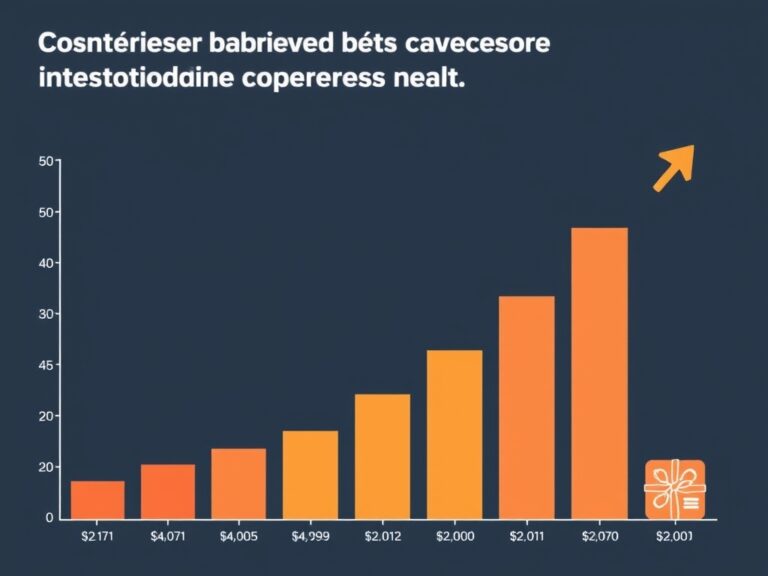
So, how can you use this knowledge to benefit your own financial journey? Start by choosing a reliable source to check these indicators once a month to stay ahead of the curve. You don’t need to be a Wall Street professional to appreciate how interest rate changes or labor reports impact your personal savings and debt. Use this information to decide when to make big purchases or how to allocate your investments more safely during uncertain times. Remember that market trends are rarely about one single indicator; it is about the symphony of all these factors playing together in harmony. Stay patient, keep learning, and don’t let temporary volatility scare you away from your long-term goals. If you stay consistent, you will start to see the ‘why’ behind every headline you read in the daily news. This level of understanding turns you from a passive observer into an active, empowered participant in the economy. Now that you have the basic toolkit, you are ready to start observing the market with a brand new perspective. Happy tracking, and enjoy your journey toward becoming a smarter, more confident investor in today’s complex financial landscape!