Building Long-Term Wealth: Essential Foundational Concepts for Financial Success
Mastering Your Financial Foundation
Building long-term wealth isn’t a get-rich-quick scheme; it’s a marathon that requires patience, discipline, and a solid strategy. Many people wonder, how do I actually start? The truth is, your journey toward financial freedom begins with a single, intentional step toward clarity. You need to assess where you stand today, tracking every dollar and understanding your debt-to-income ratio. Think of your finances as a house: you cannot build a sturdy roof without a deep, reinforced concrete foundation. By creating a budget that prioritizes savings, you effectively build that bedrock for your future prosperity. Remember, wealth is not what you spend on flashy cars or trendy clothes, but what you keep and invest for tomorrow. Start by listing your goals, whether they involve buying a home, retiring early, or funding your children’s education. A clear vision acts as your internal compass, guiding you through market volatility and personal financial challenges. Stay consistent, stay focused, and understand that small, incremental improvements lead to massive results over decades.

The Power of Compound Interest
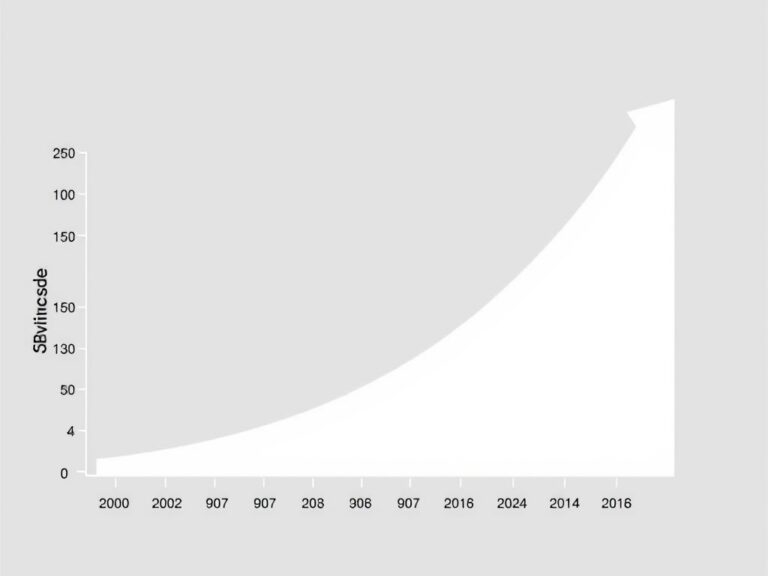
If there is a secret weapon in the world of personal finance, it is undeniably compound interest. Albert Einstein once called it the eighth wonder of the world, and for good reason: it allows your money to work for you while you sleep. When you invest early, your returns generate their own returns, creating a snowball effect that grows exponentially over time. Consider these essential tips to maximize this growth:
- Start investing as early as possible, even with small amounts.
- Prioritize tax-advantaged accounts like 401(k)s or IRAs to minimize leakage.
- Automate your contributions so that saving becomes a non-negotiable habit.
- Reinvest your dividends rather than spending them on immediate gratification.
- Choose low-cost index funds to minimize management fees that eat into your gains.
By following these steps, you allow time to be your greatest asset rather than your enemy. Even if you only start with fifty dollars a month, the consistency of your investment behavior matters more than the initial principal. Do not be intimidated by stock market jargon; focus on broad-market strategies that provide steady growth over long horizons. Wealth accumulation is ultimately a function of time and compound interest working in perfect harmony.
Managing Debt and Building Credit
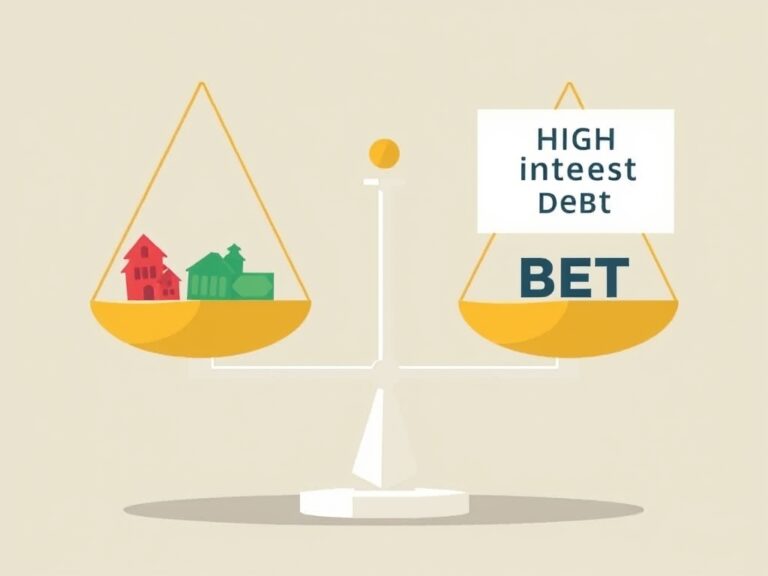
Not all debt is created equal, and understanding the difference is crucial for your long-term success. Good debt, such as a low-interest mortgage or a small business loan, can actually help you leverage your assets to create more wealth over time. Conversely, bad debt—specifically high-interest credit card debt or personal loans for consumables—can cripple your financial progress like an anchor. To effectively manage your debt, you should focus on the following strategies:
- Use the ‘Debt Avalanche’ method: target the highest interest rates first to save money.
- Always maintain at least your minimum payments to protect your credit score.
- Avoid financing depreciating assets like new cars that lose value immediately.
- Communicate with lenders if you find yourself in a tight spot.
- Monitor your credit report regularly to ensure no errors are dragging you down.
By keeping your debt-to-income ratio low, you increase your capacity to invest and build true net worth. Your credit score is more than just a number; it is a financial reputation that dictates the interest rates you will pay for major life purchases. A healthy credit history saves you thousands of dollars over your lifetime, providing you with better opportunities for real estate and investment growth. Treat your credit score with care, and it will reward you with financial flexibility when you need it most.
Strategic Asset Allocation
Diversification is the ultimate defense against the unpredictable nature of global markets. You should never put all your eggs in one basket, as asset allocation helps balance risk and reward according to your personal financial goals. By spreading your investments across various classes—such as stocks, bonds, real estate, and cash equivalents—you insulate your portfolio from the total collapse of any single sector. A well-diversified portfolio acts like a shock absorber during economic downturns, keeping your long-term wealth building on track. You should periodically rebalance your holdings to ensure your target risk profile remains aligned with your age and retirement timeline.
- Stocks provide the growth necessary to beat inflation over the long haul.
- Bonds offer stability and regular income during turbulent times.
- Real estate provides potential for both passive income and property appreciation.
- Cash reserves are essential for emergency liquidity and peace of mind.
- Regular reviews ensure your strategy evolves as your life situation changes.
Don’t let market headlines scare you into making emotional decisions that sabotage your success. Focus on the long-term trends and trust in your diversified approach to weather the inevitable storms of the financial world. Wealth is built through endurance, not through tactical guessing or chasing the latest investment hype. Stay the course, keep your strategy simple, and enjoy the confidence that comes with a well-planned, diversified future.