
Decoding Market Trends: A Plain-English Guide to Understanding Economic Indicators
Decoding the Economic Pulse: Why Trends Matter
Have you ever felt like the news is speaking a foreign language when they start tossing around terms like GDP growth or inflation rates? You aren’t alone, and understanding these market trends is actually easier than it sounds when you strip away the financial jargon. Think of economic indicators as the dashboard of a car; they tell you how fast the economy is moving, if it’s overheating, or if it needs a little more fuel to keep going. By learning to decode these signals, you move from being a passive observer of the market to an informed participant who can make smarter financial decisions. We are going to break down the complex world of economics into bite-sized, actionable pieces so you can stay ahead of the curve. Whether you are an investor looking to protect your portfolio or just someone curious about why prices at the grocery store change, this guide is your roadmap. We’ll explore the key metrics that move the needle in the global marketplace. Let’s start this journey by demystifying the big picture and giving you the tools to read the economic tea leaves with confidence. Understanding these trends isn’t just for Wall Street professionals; it is a fundamental skill for navigating modern life. Are you ready to master the language of the economy and stop guessing where the market is headed?

The Big Three: GDP, Inflation, and Employment
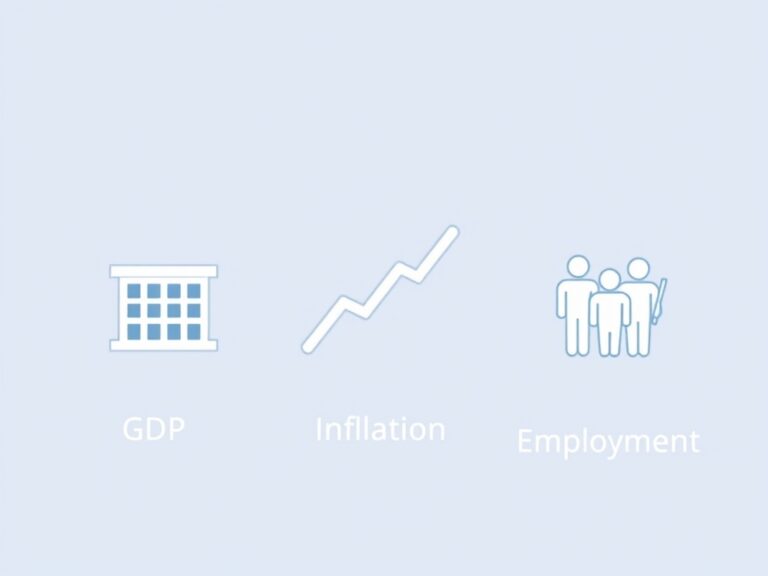
To truly understand how an economy functions, you need to watch the Big Three indicators that experts obsess over every single quarter. First, Gross Domestic Product (GDP) is essentially the scoreboard of the economy, measuring the total value of all goods and services produced within a country. When GDP goes up, businesses are thriving, but when it drops, we might be staring down a recession. Second, we have Inflation, which is the silent thief that erodes your purchasing power over time by driving up the cost of everyday items. You can track this through the Consumer Price Index (CPI), which gives us a snapshot of how price changes affect the average household budget. Third, there is the Unemployment Rate, a critical pulse point that tells us how many people are actively looking for work but can’t find it. When these numbers move, they create a domino effect across interest rates, stock prices, and your personal savings account. Consider these three factors your foundation for every other economic concept we discuss. Keeping an eye on these helps you anticipate shifts before they become mainstream news headlines. It’s about being proactive rather than reactive with your financial strategy.
How Interest Rates and Central Banks Influence Your World
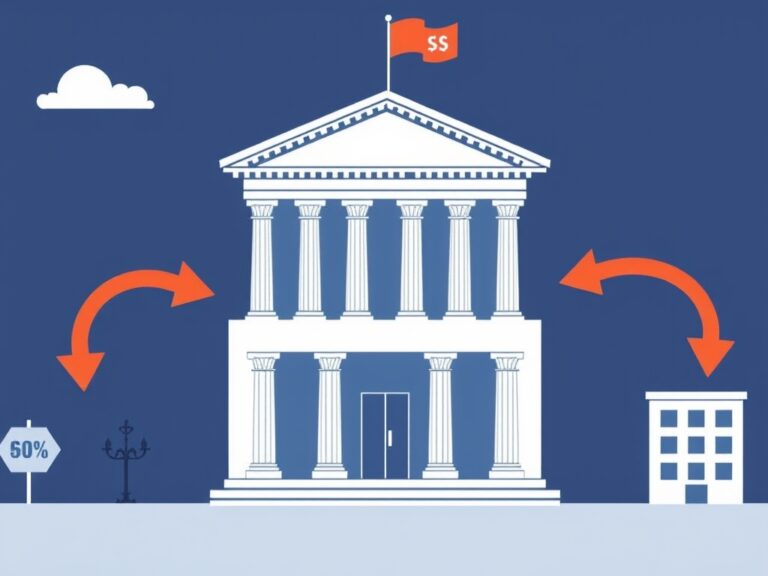
If you want to know why your credit card interest rate or your mortgage payment changes, look no further than the Federal Reserve and their decisions on benchmark interest rates. When the economy is growing too fast and inflation spikes, the Fed usually raises interest rates to ‘cool down’ the spending frenzy. Think of it like a thermostat for the economy:
- High rates make borrowing expensive, which slows down business expansion and consumer spending.
- Low rates encourage borrowing, which helps stimulate growth when the economy is feeling sluggish.
This constant tug-of-war between stimulus and restriction determines the cost of money for everyone. As an investor or consumer, you need to monitor these ‘Fed speak’ announcements because they act as the ultimate catalyst for market volatility. When the Fed signals a rate hike, bond markets often react immediately, and stock markets usually follow suit with a period of adjustment. Understanding this cycle helps you time your major purchases or adjust your investment risk based on where we are in the cycle. It is all about recognizing the rhythm of the central bank’s influence on the broader financial system.
Putting It All Together: Your Actionable Economic Toolkit
So, now that you know the basics, how do you apply this to your daily life without getting overwhelmed by the noise? The trick is to focus on leading indicators, which provide a glimpse into the future, rather than just lagging indicators that only confirm what has already happened. Leading indicators like consumer confidence surveys, new housing starts, and manufacturing orders can give you a heads-up on where the economy is likely to head next month or next quarter. I recommend setting up a simple dashboard where you track these major releases once a month to get a feel for the current trend. Don’t worry about trying to predict every minor dip in the market; focus instead on the macro-trends that suggest a long-term direction. By staying consistent and keeping a level head, you can filter out the sensationalist media headlines that are designed to cause panic. Remember that the economy is cyclical, meaning there will always be periods of expansion followed by contraction, and that is perfectly normal. Arm yourself with this knowledge, stay disciplined with your finances, and keep learning as you go. You now have the fundamental ‘decoding’ skills to understand the market trends that shape our financial landscape every single day.