
The Essential Guide to Building Long-Term Wealth: Foundational Concepts for Financial Success
The Foundation of Financial Freedom: Why Wealth Matters
Building long-term wealth isn’t just about accumulating large sums of money; it’s about buying your freedom and creating a safety net that allows you to live life on your own terms. Many people mistakenly believe that wealth is reserved for the elite, but the truth is that anyone can achieve financial security through discipline, patience, and consistent habits. Think of your financial journey as a marathon rather than a sprint, where the goal is to consistently move forward toward your objectives. When you prioritize long-term growth over instant gratification, you unlock the potential of compound interest, which is arguably the most powerful tool in your arsenal. To get started, you must first define what wealth means to you, whether that is early retirement, traveling the world, or simply having the peace of mind that comes with a healthy savings account. Consider these key foundational pillars:
- A clear, written financial plan.
- The habit of spending less than you earn.
- Prioritizing high-interest debt repayment.
- Establishing an emergency fund to cover 3-6 months of expenses.
By internalizing these concepts, you shift your mindset from ‘working for money’ to ‘making your money work for you.’ It is essential to stay informed and constantly refine your approach as your life circumstances evolve. Always remember that your greatest asset is time, and the sooner you begin, the more dramatic your results will be in the coming decades.

The Art of Budgeting: Mastering Your Cash Flow
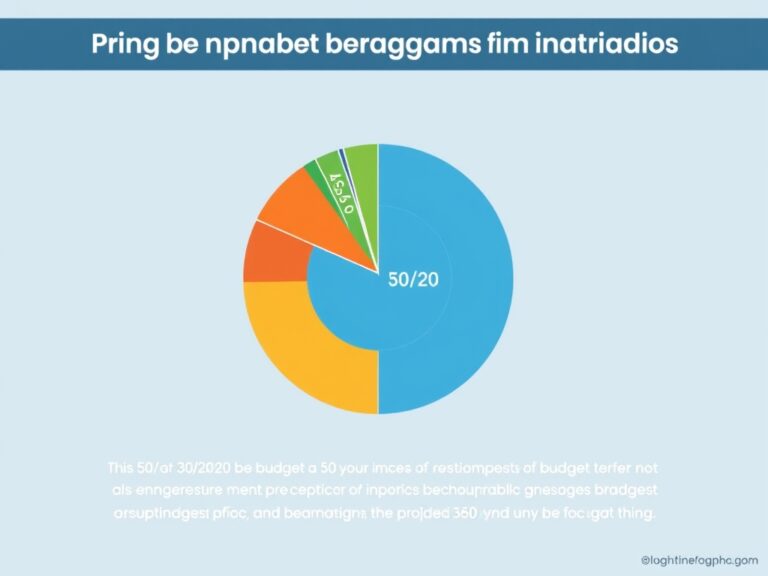
You cannot effectively manage what you do not track, which makes budgeting the cornerstone of your financial architecture. A budget isn’t a restrictive cage; it is a roadmap that ensures every dollar you earn is working toward your personal goals. Start by performing a detailed audit of your monthly income and expenses to understand exactly where your money is flowing. Many people find success using the ’50/30/20 rule,’ which suggests allocating 50% of your income to needs, 30% to wants, and 20% to savings and investments.
- Needs: Rent, groceries, insurance, and utilities.
- Wants: Dining out, hobbies, and entertainment.
- Savings: Retirement contributions, emergency funds, and stocks.
By automating your savings, you remove the emotional burden of manually transferring money every payday. If you find yourself struggling to stay on track, consider using modern financial apps that categorize your spending and alert you to potential overages. It is vital to avoid ‘lifestyle creep,’ which occurs when your spending increases automatically alongside your income. Remember, wealth is built on the margin between what you earn and what you spend, so guarding that margin is a top priority. Once you gain control over your daily expenses, you will find that you have much more capital available to deploy into wealth-building assets like stocks or real estate. Consistency in budgeting builds the self-discipline required to stay the course through market volatility.
Investing for the Future: Harnessing Compound Interest
Once you have stabilized your cash flow, the next phase is to focus on growing your capital through strategic investing. Investing is not about ‘getting rich quick’ with speculative bets; it is about owning high-quality assets that have a proven history of long-term appreciation. The magic of compound interest allows your money to earn interest on top of previously earned interest, creating an exponential growth curve that is truly transformative over 20 or 30 years.
- Index Funds: Low-cost options for broad market exposure.
- Retirement Accounts: Utilizing tax-advantaged tools like 401(k)s or IRAs.
- Diversification: Spreading risk across various asset classes.
- Dollar-Cost Averaging: Investing a set amount regularly regardless of market price.
By keeping your investment fees low and your tax burden minimized, you effectively compound your returns, which can add thousands of dollars to your nest egg over time. It is important to remember that markets will fluctuate, but history shows that they tend to trend upward over long periods of time. Avoid the urge to panic-sell during downturns; instead, view them as an opportunity to purchase quality assets at a discount. If you are unsure where to begin, consulting with a fee-only financial planner can provide you with a tailored strategy that aligns with your specific risk tolerance. You don’t need a finance degree to build wealth, just the courage to start investing early and the patience to stay invested until you reach your ultimate destination.