
Making Sense of the Markets: A Plain-English Guide to Economic Indicators and Trends
Understanding the Market Pulse: Why Economic Indicators Matter
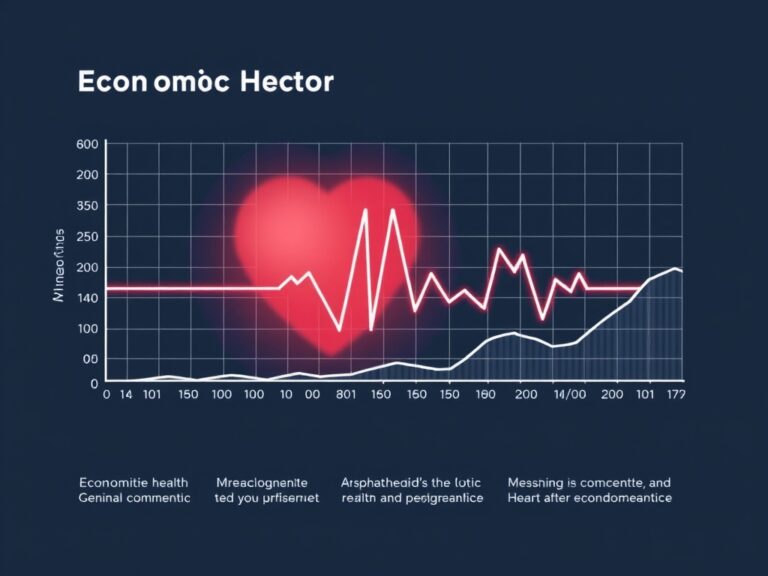
Have you ever watched the news, heard terms like ‘CPI’ or ‘GDP’, and felt like you needed a translator? You aren’t alone; the financial world loves its jargon, but at its core, making sense of the markets is just about understanding human behavior on a massive scale. Think of economic indicators as the ‘vitals’ of the economy—just like your blood pressure or heart rate, they tell us if the system is healthy, overheating, or needing a bit of a boost. When we talk about market trends, we are essentially looking at the collective confidence of consumers and businesses. If everyone is spending, the economy grows, but if fear sets in, the markets often reflect that hesitation. By learning to read these signals, you stop feeling like a spectator and start understanding the ‘why’ behind your portfolio’s performance. Whether you are a seasoned investor or just curious about how the world works, mastering these basics is your secret weapon. Let’s break down how these moving parts fit together to create the complex puzzle we call the global economy. Don’t worry, we’ll keep it simple, straightforward, and strictly jargon-free so you can apply this knowledge immediately.
The Big Three: GDP, Inflation, and Employment
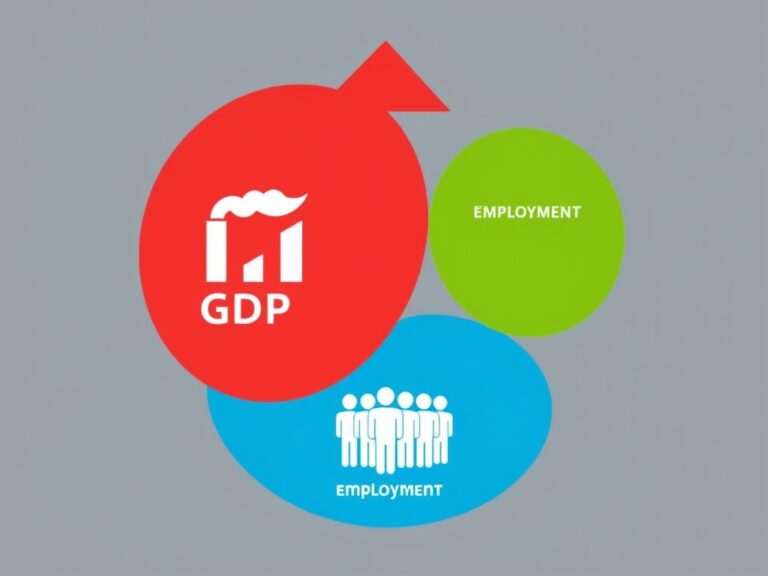
To really get a handle on where we are headed, you need to track three main heavy hitters that dictate the economic cycle. First is GDP (Gross Domestic Product), which is simply the scorecard of everything we produce; it tells us if the country is ‘getting bigger’ or shrinking. Second is Inflation, specifically the Consumer Price Index (CPI), which tracks how much your dollar is losing (or gaining) in purchasing power over time. Finally, we have the Employment Situation, usually reported through the monthly non-farm payrolls, because a job is the ultimate driver of consumer confidence. Together, these indicators tell a cohesive story about our collective financial future:
- GDP: The ‘Big Picture’ of growth.
- Inflation: The ‘Hidden Tax’ on your savings.
- Jobs: The fuel that powers the consumption engine.
If unemployment is low and GDP is growing, the market generally signals optimism. However, if inflation rises too quickly, the central bank might hike interest rates, which acts like a brake on the entire system. Understanding these three pillars allows you to anticipate market volatility rather than just reacting to it in a panic.
Decoding Market Trends: Bull, Bear, and Everything In Between
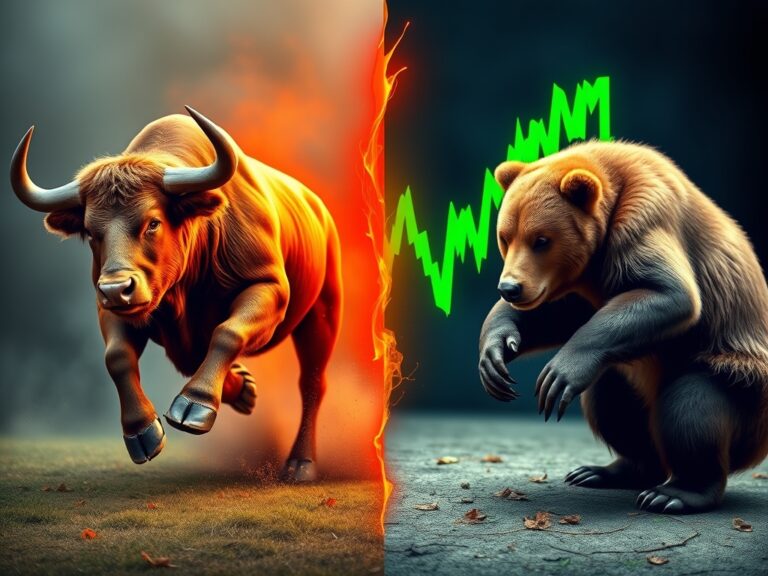
Now that you know the indicators, let’s talk about the ‘vibe’ of the market: Bull Markets versus Bear Markets. A bull market is defined by broad optimism and rising prices, often fueled by strong corporate earnings and low unemployment. Conversely, a bear market is characterized by pessimism, falling prices, and a general sense of fear. It is critical to remember that markets are forward-looking machines; they don’t just react to today’s news, but rather price in what investors expect to happen in the next six to twelve months.
- Bullish Indicators: Expanding manufacturing, rising wages, and high consumer spending.
- Bearish Indicators: Yield curve inversions, slowing retail sales, and spikes in corporate debt.
By keeping an eye on these trends, you can start to see the shift in market sentiment before it happens. You don’t have to be a Wall Street analyst to see when the wind is changing; just watch how the ‘Big Three’ indicators influence consumer behavior. When people feel safe, they spend, and the cycle continues, but when caution overrides ambition, the trend shifts. Learning to recognize these patterns is the difference between being a passive observer and an empowered participant in the financial world.
Practical Takeaways: How to Stay Informed Without the Stress
So, how do you keep up with this without glued to a ticker tape 24/7? Consistency is key, and you should aim to check key economic calendars once a month rather than checking your stock app every five minutes. Focus on reputable sources that provide summary reports on the latest CPI or Federal Reserve statements rather than the sensationalized headlines designed to grab clicks. Remember, the goal of these indicators isn’t to help you time the market perfectly—which is famously impossible—but to help you make informed decisions about your long-term goals. Stay grounded by keeping a diversified portfolio that can withstand the ups and downs of the economic cycle. When the news looks bleak, ask yourself if the underlying indicators support a long-term recession or just a short-term correction. By staying educated, you remove the ‘fear factor’ from investing and replace it with logical, data-backed confidence. Finally, keep this simple rule in mind: markets will always have waves, but the trend of human productivity has historically been up. Keep your eyes on the horizon, keep learning, and trust that you have the tools to make sense of the noise.