
Understanding Market Movements and Economic Indicators in Plain English
Understanding the Pulse of the Market
Have you ever wondered why the stock market seems to dance to its own rhythm, sometimes soaring on good news and other times plummeting without warning? Market movements are essentially the collective heartbeat of investors, reacting to a constant stream of information, emotions, and economic data. At its core, the market acts like a giant weighing machine, constantly adjusting prices to reflect the perceived future value of companies. Think of it as a conversation between buyers and sellers, where every transaction is a vote of confidence or doubt. To truly grasp these shifts, you need to look past the daily noise and focus on the bigger picture of economic indicators. These indicators act like a dashboard in your car, providing vital signals about the health and speed of the economy. By learning to read these signals, you can move from being a confused bystander to an informed participant. Let’s break down exactly what drives these fluctuations in simple terms so you can feel more confident in your financial journey.
Decoding Key Economic Indicators
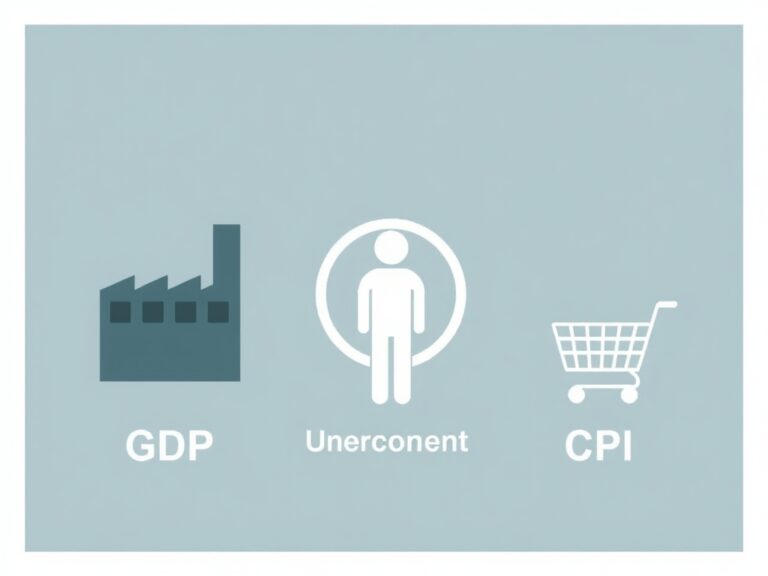
When economists want to know how the economy is performing, they look at several key performance indicators that act as barometers. First, we have Gross Domestic Product (GDP), which is essentially the total dollar value of all goods and services produced within a country’s borders. If GDP is growing, the economy is generally healthy; if it shrinks, we might be heading toward a recession. Next, we monitor the Unemployment Rate, as a high number of jobless individuals usually means less consumer spending, which trickles down to lower corporate profits. Another vital metric is the Consumer Price Index (CPI), which helps us track inflation—or how quickly the prices of your daily groceries and gas are rising.
- GDP: The total economic output
- CPI: The cost of living metric
- Unemployment: The measure of workforce health
Keeping an eye on these three metrics will give you a significant head start in understanding the macro-environment. By synthesizing this data, you can start to predict how the market might react to upcoming policy shifts or quarterly earnings reports.
The Role of Interest Rates and Central Banks
One of the most powerful levers affecting your investments is the interest rate set by central banks like the Federal Reserve. When these institutions raise interest rates, it becomes more expensive for businesses to borrow money for expansion, which can dampen growth and stock prices. Conversely, lowering rates acts like a shot of adrenaline to the economy, encouraging spending and investment. It is a delicate balancing act known as monetary policy, designed to keep the economy growing without letting inflation spiral out of control. When you see headlines about the ‘Fed’s next move,’ they are essentially discussing the cost of capital for the entire country. Investors are constantly watching for these policy updates because even the slightest change can shift market sentiment overnight. By understanding this relationship, you can better anticipate how your portfolio might react to changes in central bank strategy. It is not just about the numbers; it is about the psychology of how businesses and consumers respond to the cost of debt.

Navigating Volatility with Confidence
Finally, it is crucial to remember that market volatility is a normal part of the financial landscape, not a reason to panic. Markets move based on cycles, and those cycles are influenced by the psychology of investors who often swing between extreme greed and intense fear. Instead of reacting to every headline, try to maintain a long-term perspective and stay focused on your personal financial goals. You can mitigate risks by diversifying your investments across different sectors and asset classes, which helps cushion the impact of a downturn in any single area. Remember that time in the market is often more effective than trying to time the market perfectly. Keep these core principles in mind:
- Stay disciplined during market dips
- Focus on high-quality assets
- Review your strategy annually
By staying educated and maintaining a cool head, you will find that you can navigate even the most turbulent economic waters with a sense of calm and clarity. You are now better equipped to decipher the complex language of the markets and make decisions that align with your future prosperity.