Market Movements and Economic Indicators Explained in Plain English
Understanding Market Movements: Why Stocks Dance to Their Own Beat
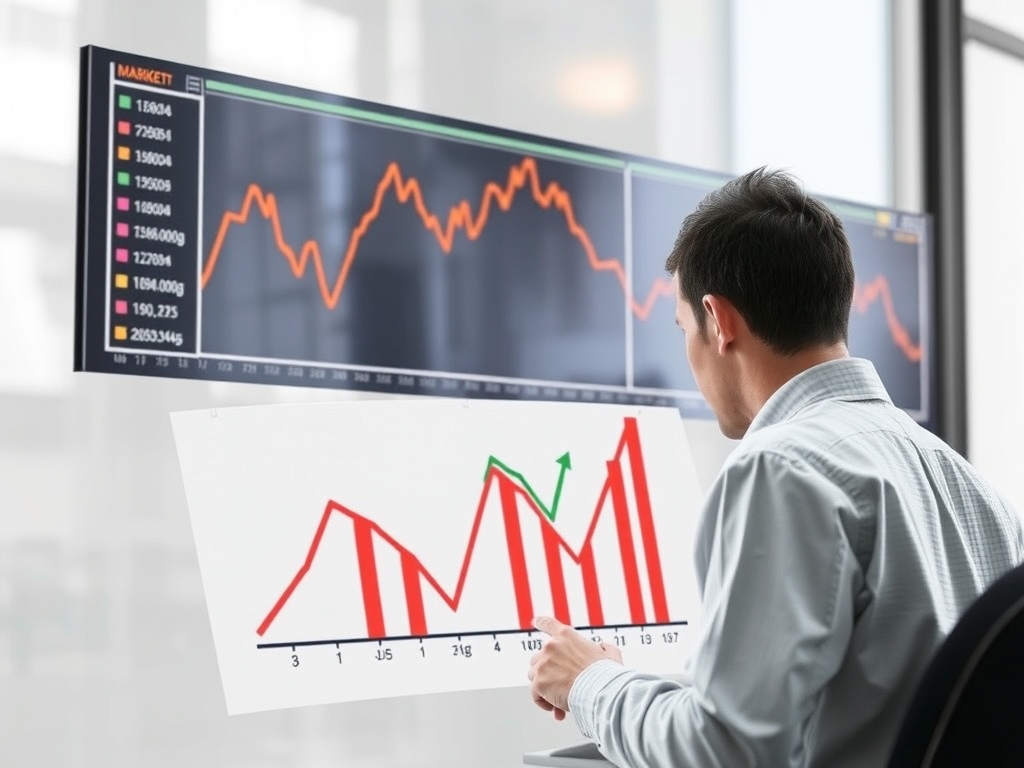
Have you ever looked at the stock market news and felt like you were reading a foreign language? You aren’t alone; market movements can feel erratic, but they are usually driven by a complex interplay of investor sentiment, corporate performance, and macroeconomic trends. When we talk about these movements, we are essentially looking at the collective mood of millions of investors deciding whether the future looks bright or dim. Supply and demand dictate the price of every asset, moving based on the latest earnings reports or unexpected geopolitical shifts. It is important to remember that prices often fluctuate before the news even hits the mainstream media headlines. By keeping a steady perspective, you can learn to distinguish between short-term ‘noise’ and long-term value. This is the first step in moving from a casual observer to an informed participant in the financial world. Are you ready to dive deeper into what actually steers this ship? Let’s break down the indicators that serve as the steering wheel for these massive global movements. Whether it is a bull market or a bear market, knowing the ‘why’ is always more powerful than just knowing the ‘what’.
Economic Indicators: The Dashboard of the Global Economy
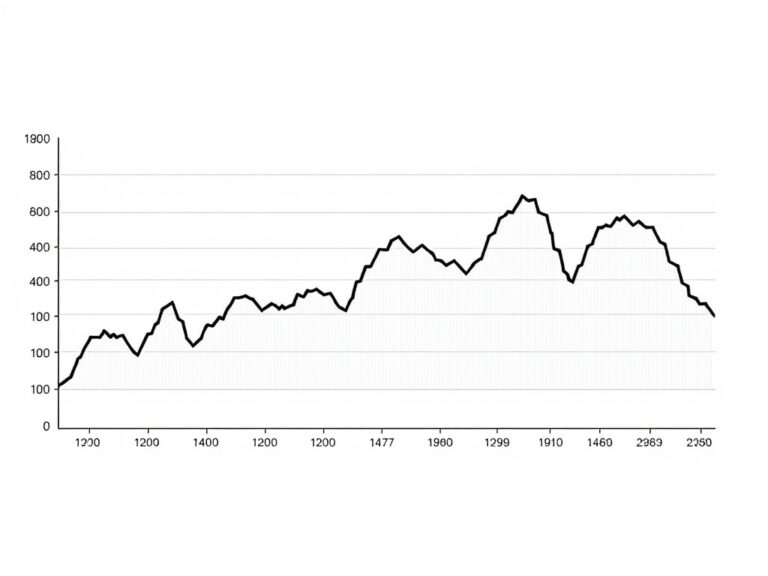
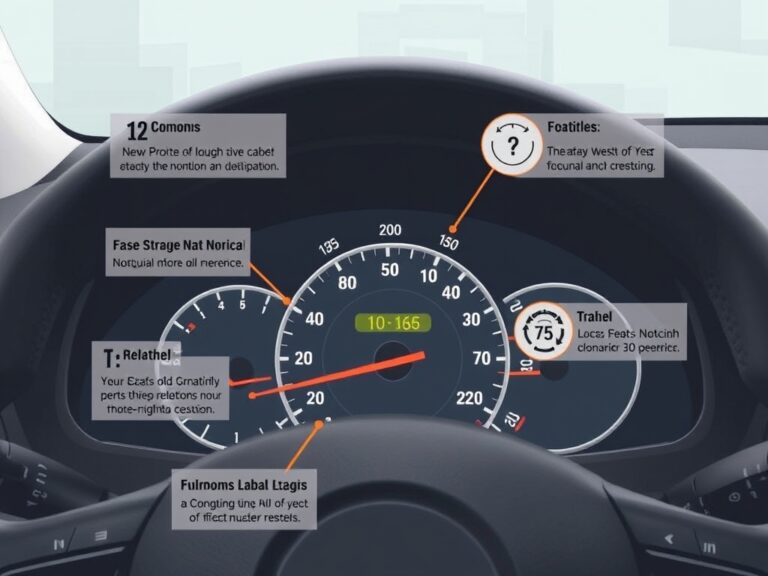
Think of economic indicators like the dashboard of your car; they tell you how fast the economy is going and if the engine is overheating. These data points, such as Gross Domestic Product (GDP), inflation rates, and unemployment figures, provide the raw data that institutional investors use to make multi-million dollar decisions. When the GDP rises, it generally suggests a healthy, growing economy, which often leads to higher stock prices. However, if inflation begins to tick upward too quickly, it can act as a drag on consumer spending power, leading to market volatility. You should pay close attention to the following key metrics that influence the heartbeat of the markets:
- CPI (Consumer Price Index): The go-to measure for inflation.
- Non-Farm Payrolls: A massive indicator of job market strength.
- Central Bank Interest Rates: The primary tool used to cool down or heat up economic growth.
By understanding these, you can anticipate shifts rather than reacting to them blindly. These indicators aren’t just dry numbers; they are the pulses of the real world that eventually manifest as green or red candles on your trading screen. Mastering these will give you a significant edge over the average retail investor.
How Interest Rates and Central Banks Control the Flow
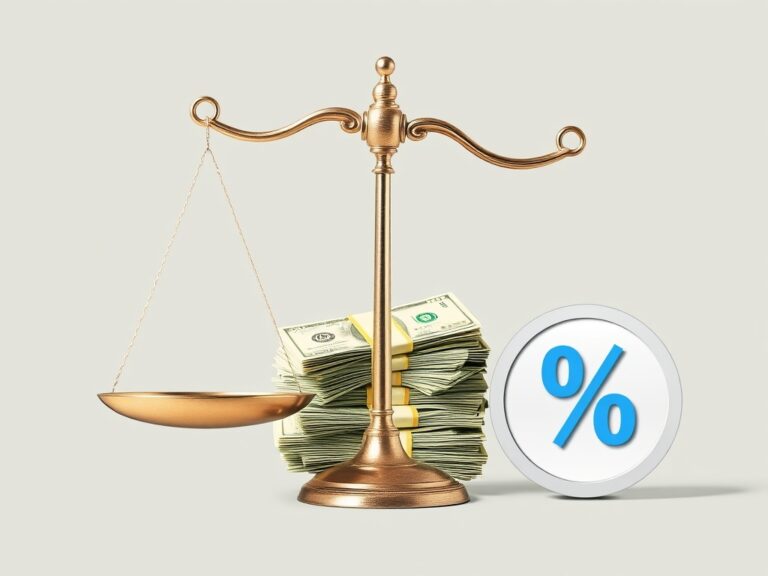
Perhaps the most significant force in modern finance is the influence of Central Banks, like the Federal Reserve, which manage the supply of money through interest rates. When rates are low, borrowing becomes cheap, which encourages businesses to expand and consumers to spend, usually driving the stock market upward. Conversely, when central banks raise rates to fight inflation, the cost of borrowing increases, which can slow down economic growth and sometimes lead to market pullbacks. This delicate balancing act is often referred to as a ‘soft landing’ or ‘hard landing,’ depending on how aggressive the policy changes are. Investors watch every word from central bank officials, known as ‘Fed Speak,’ because even a subtle change in tone can shift trillions of dollars in market capitalization. Smart investing involves recognizing that these institutions are trying to maintain stability, not necessarily guarantee market growth. If you understand the current interest rate environment, you can better predict which sectors—like tech, real estate, or banking—might outperform. Stay alert, because the tide of interest rates eventually shifts everything in the financial landscape.
Putting It All Together: Your Strategy for Long-Term Success
Navigating the markets doesn’t require a degree in economics, but it does require patience and discipline to interpret the data correctly. By keeping an eye on economic indicators and understanding the cycle of market movements, you can build a more resilient investment portfolio that stands the test of time. It is helpful to remember that markets are forward-looking mechanisms; they often price in future expectations rather than current realities. For the average investor, this means avoiding the temptation to chase every headline and instead focusing on the fundamental health of the assets you hold. Diversification is your best friend during periods of high volatility, acting as a buffer when specific sectors face downward pressure. Never underestimate the power of a long-term perspective in an age defined by instant information and social media buzz. If you stick to your plan, analyze the data objectively, and keep your emotions in check, you are already ahead of the pack. You are now equipped with the foundational knowledge to decode the financial world for yourself. Keep learning, keep watching the indicators, and your financial journey will be much smoother.