Making Sense of the Markets: A Plain-English Analysis of Key Economic Indicators
Understanding the Economic Pulse: Why Market Indicators Matter
Have you ever scrolled through financial news and felt like you were reading a foreign language? You aren’t alone! Economic indicators are simply the vital signs of our global economy, and learning how to read them can transform the way you view your personal investments and the broader market. Think of the economy like a human body: indicators tell us if it’s healthy, running a fever, or just catching a cold. By tracking metrics like GDP, unemployment rates, and inflation, we can spot trends before they become headlines. It’s not about having a crystal ball, but rather about having a clear lens through which to observe reality. When you understand these data points, you gain the confidence to stop guessing and start making informed decisions. In this guide, we’ll break down the most essential figures so you can navigate the financial landscape like a pro. Let’s peel back the layers of complexity and get straight to the insights that actually impact your wallet.
GDP: The Ultimate Scoreboard of Economic Activity
Gross Domestic Product, or GDP, is the heavy hitter of economic reporting—it’s essentially the total value of all goods and services produced within a country. When GDP is growing, businesses are generally thriving, and consumer spending is robust, which is a great sign for investors. Conversely, a shrinking GDP can signal a recession, making it a critical metric for any financial strategist to watch closely. To keep it simple, think of GDP as the ‘national income’ that tracks how much ‘business’ we are doing. You’ll want to pay attention to these components:
- Personal Consumption: The backbone of the economy.
- Business Investment: Spending on new equipment and technology.
- Government Spending: Infrastructure and public services.
- Net Exports: The balance between what we sell and what we buy from abroad.
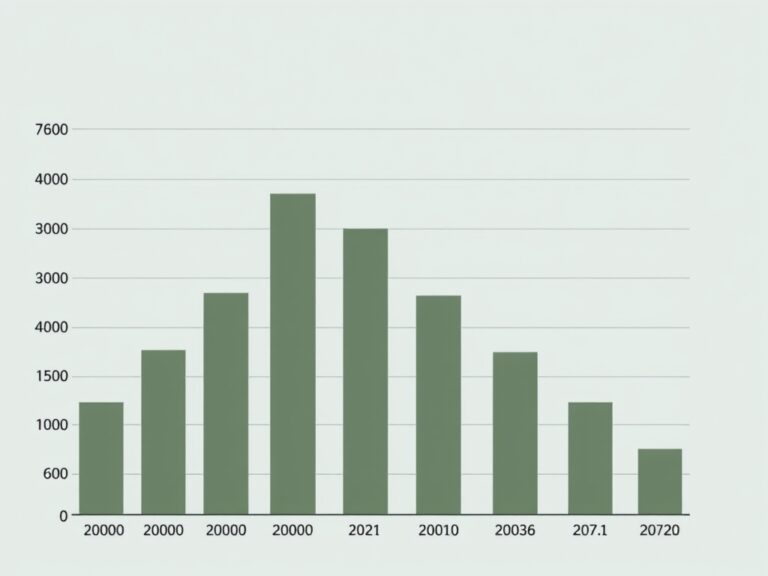
Seeing a consistent upward trend in GDP often suggests that the economy is expanding. However, keep in mind that even the best numbers are lagging indicators, meaning they reflect what has already happened rather than what will happen tomorrow.
The Inflation Story: Why Your Dollar’s Purchasing Power Changes
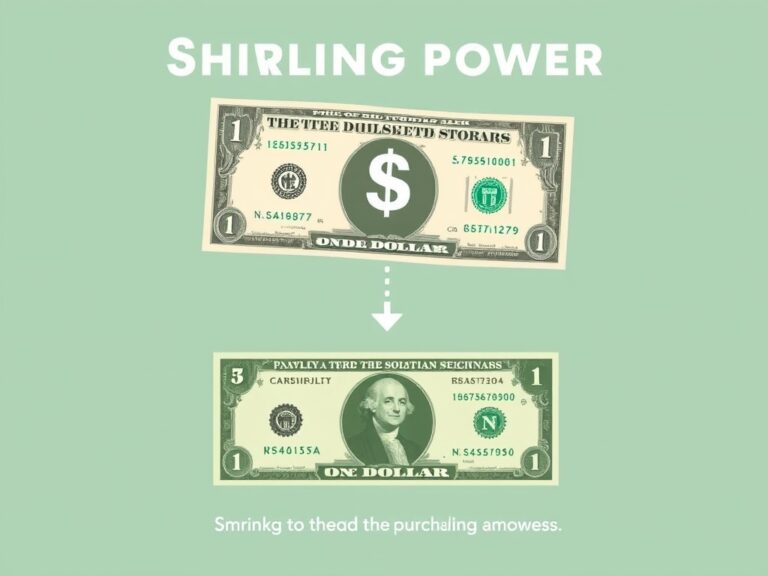
Inflation is arguably the most ‘felt’ economic indicator because it directly hits your bank account every time you go grocery shopping. At its core, inflation measures the rate at which the general level of prices for goods and services is rising. When inflation is too high, your money loses purchasing power, meaning you need more dollars to buy the same loaf of bread you purchased last year. Central banks, like the Federal Reserve, constantly monitor the Consumer Price Index (CPI) to ensure prices stay stable. If you notice your favorite products getting more expensive, you are experiencing the effects of inflation firsthand. It’s important to distinguish between ‘good’ inflation—which signals healthy demand—and ‘bad’ inflation, which erodes savings and complicates business planning. Investors often look for assets like real estate or commodities that can hedge against these rising costs. Understanding this balance is the key to protecting your long-term wealth against the silent tax of inflation.
The Labor Market: Unemployment as a Health Barometer
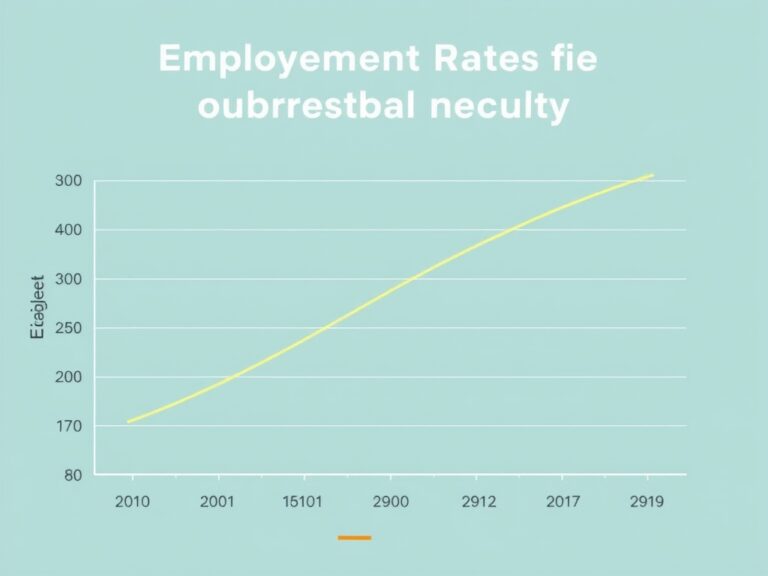
Finally, we have the labor market data, which acts as the ‘human element’ of economic analysis. The Unemployment Rate is perhaps the most watched monthly report because it tells us how many people are actively looking for work but cannot find it. A low unemployment rate usually means that companies are hiring, wages are competitive, and the economy is hot! On the flip side, high unemployment can trigger a chain reaction of lower consumer confidence and reduced spending. Investors love to see strong job growth because it suggests that the economy has the foundation to sustain future expansion. Keep an eye on these specific sub-metrics:
- Non-farm Payrolls: The total number of paid U.S. workers.
- Average Hourly Earnings: Whether or not wages are keeping up with inflation.
- Labor Force Participation: The percentage of people actually working or looking.
By keeping these indicators in your back pocket, you’ll be much better equipped to translate complex market shifts into simple, actionable reality for your financial future.