

7 Foundational Pillars for Building Sustainable Long-Term Wealth
Pillar 1: Developing a Wealth-Building Mindset & Financial Literacy
Welcome to the journey of creating lifelong financial freedom and security! Building sustainable long-term wealth isn’t about winning the lottery or finding a quick-rich scheme; instead, it requires a strong foundation built on proven strategies and daily habits. The very first pillar you must establish is a growth-oriented wealth mindset coupled with continuous financial education. Many people fail to accumulate wealth simply because they view money through a lens of scarcity rather than abundance. By shifting your perspective, you begin to see money as a tool for freedom and leverage rather than just a medium for consumption. To cultivate this mindset, start consuming high-quality financial books, listening to reputable podcasts, and understanding basic economic principles. Wealth-building is a marathon, and your mind is the ultimate engine driving you toward that finish line. Remember, the best investment you can ever make is in your own mind and knowledge. This shift in consciousness helps you resist impulse buying and focus on long-term goals. Ultimately, mastering your psychology is 80% of the battle when it comes to financial success. By committing to this mental shift, you lay the perfect groundwork for every financial decision you will make in the future.
- Abundance over Scarcity: Focus on opportunities to grow and expand rather than just cutting costs.
- Continuous Learning: Spend at least 15 minutes daily reading financial news or educational books.
- Delayed Gratification: Prioritize long-term financial security over short-term material pleasures.

Pillar 2: Mastering Cash Flow and Strategic Budgeting
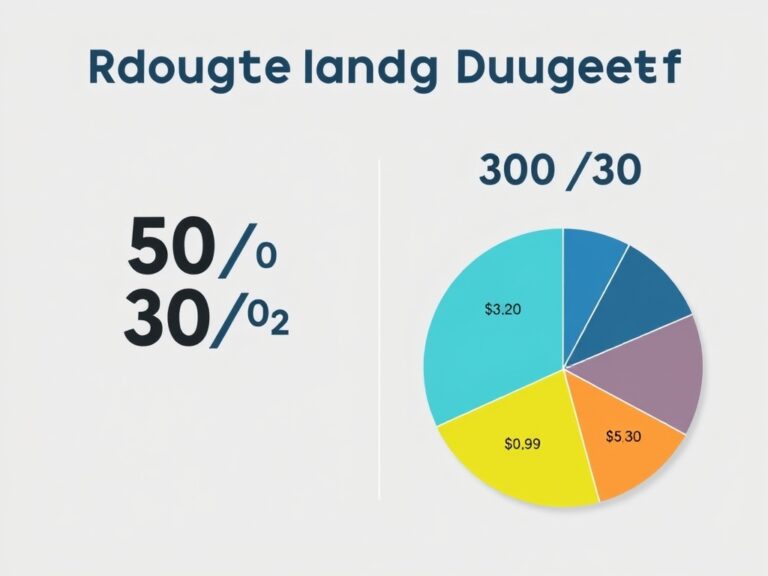
Once your mindset is aligned, the next step is to take absolute control of your cash flow. You cannot build a sustainable financial future if you do not know where your hard-earned money is going every month. Strategic budgeting is not about restricting your lifestyle; rather, it is about giving every dollar a specific job. By tracking your income and expenses, you gain clarity and eliminate the financial leaks that quietly drain your wealth. A popular approach is the 50/30/20 rule, which divides your income into needs, wants, and savings. However, high-net-worth individuals often practice ‘reverse budgeting’ by saving and investing first, then living on the remainder. Whichever method you choose, consistency is the key to mastering cash flow. Consistently maintaining positive cash flow ensures you have the necessary capital to fund all other wealth-building pillars. This disciplined habit turns saving into an effortless, automated process. By doing so, you build a solid defense against financial stress. Ultimately, cash flow is the lifeblood of your financial portfolio. Without a positive cash flow, your wealth journey will grind to a halt before it even begins.
- Track Expenses: Use apps or spreadsheets to categorize every single transaction for at least three months.
- Prioritize Savings: Automate your investments so that you save money before you even have a chance to spend it.
- Review Monthly: Spend 30 minutes at the end of each month adjusting your budget to match your current goals.
Pillar 3: Establishing an Unshakeable Emergency Fund
Life is full of unexpected surprises, and a robust emergency fund is your ultimate shield against financial ruin. Before you start aggressively investing in volatile assets, you must build a safety net to cover unexpected life events. This cash reserve protects your long-term investments from being liquidated prematurely during market downturns. Financial advisors typically recommend saving three to six months’ worth of living expenses in an accessible account. A High-Yield Savings Account (HYSA) is the perfect home for this money because it keeps your funds liquid while earning decent interest. Having this cushion provides incredible peace of mind and prevents you from falling back into debt when emergencies arise. It transforms a major life crisis, like job loss or medical emergency, into a minor financial inconvenience. Remember, this money is not an investment; its primary purpose is insurance, not growth. Once this fund is fully funded, you can aggressively pursue wealth expansion with complete confidence. Knowing you have a safety net changes how you approach investment opportunities and risk. It gives you the confidence to make bolder, more lucrative career and investment decisions.
- Start Small: Aim for an initial goal of $1,000, then gradually scale up to cover multiple months.
- Keep It Separate: Open this account at a different bank than your primary checking account to avoid temptation.
- Automate Contributions: Set up automatic transfers to this fund immediately after every payday.

Pillar 4: Conquering High-Interest Debt and Leveraging Good Debt
Debt can either be a wealth killer or a powerful wealth accelerator, depending on how you use it. High-interest consumer debt, such as credit card balances, is a financial anchor that drags down your net worth. Paying off this toxic debt should be your absolute highest priority, as it offers a guaranteed return equal to the interest rate you avoid. Methods like the Debt Avalanche or Debt Snowball can help you systematically eliminate these obligations. Conversely, wealth builders understand how to leverage low-interest ‘good debt’ to acquire income-producing assets like real estate. This strategic use of leverage allows you to control larger assets and amplify your returns. However, using debt always increases your risk profile, meaning it must be managed with extreme caution. By mastering the relationship between debt and leverage, you shift from being a servant of interest to its master. This distinction is what separates average earners from sophisticated wealth builders. Once you are debt-free, your cash flow is fully unlocked, allowing you to invest aggressively. Protecting your credit score is also essential, as it ensures you get the lowest possible rates on future investments.
- Target High-Interest First: Pay off debts with rates above 7% as quickly as humanly possible.
- Never Carry a Credit Card Balance: Pay your statements in full every single month to avoid high fees.
- Use Leverage Wisely: Only borrow money if the asset you purchase yields a return higher than the borrowing cost.
Pillar 5: Embracing the Power of Investing and Compound Interest
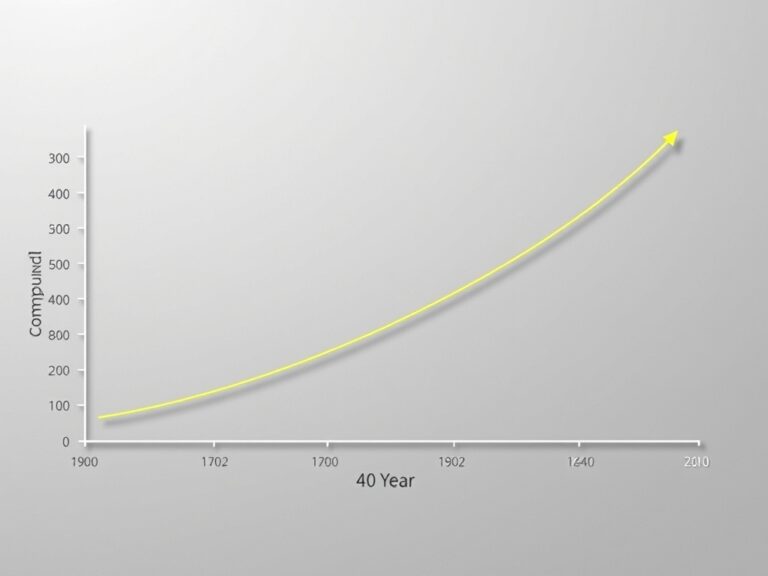
You cannot simply save your way to true, sustainable wealth; instead, you must put your money to work through smart investing. The real magic of wealth accumulation happens through compound interest, which Albert Einstein famously called the eighth wonder of the world. Compound interest allows you to earn returns on your original investment plus all the accumulated returns from previous years. The earlier you begin investing, the more time your money has to grow exponentially. Even small, regular contributions can blossom into a massive fortune over several decades due to compounding. To harness this power, focus on broad-market index funds, exchange-traded funds (ETFs), or dividend-paying stocks. Consistent, long-term investing beats trying to time the market every single time. By automating your investments, you remove emotion from the equation and benefit from steady, long-term market growth. This pillar transforms you from a manual laborer earning active income into an investor generating passive wealth. Over time, your money works harder for you than you ever could for it. This is the ultimate key to achieving true financial independence and early retirement.
- Start Immediately: Time in the market is vastly more important than timing the market.
- Dollar-Cost Averaging (DCA): Invest a fixed amount regularly, regardless of market conditions, to average out costs.
- Reinvest Dividends: Automatically reinvest any dividends you receive to buy more shares and accelerate compounding.
Pillar 6: Diversifying Assets to Protect and Grow Wealth
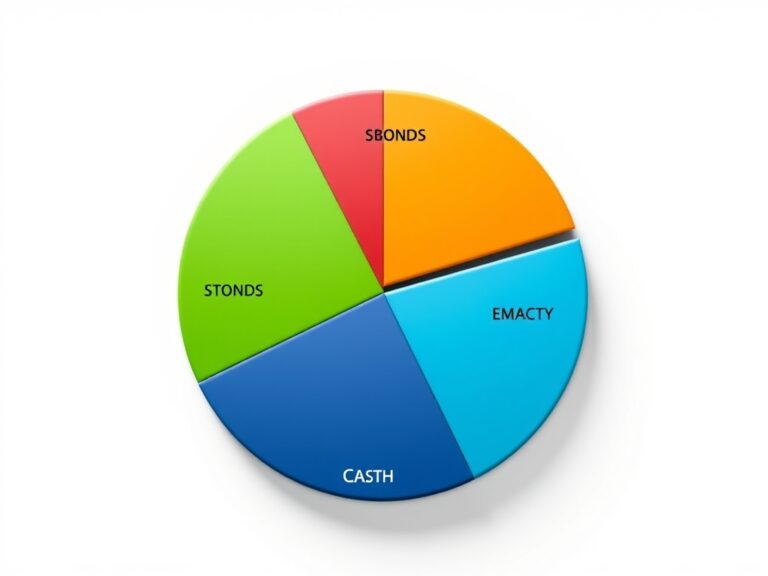
Once you begin accumulating wealth, your primary focus must shift to preserving it through strategic diversification. Diversification is the golden rule of risk management, ensuring you do not put all your financial eggs in one basket. By spreading your capital across different asset classes, you insulate your portfolio from sudden market crashes. A well-diversified portfolio typically includes equities, real estate, fixed-income bonds, cash equivalents, and perhaps a small allocation to alternative assets. If one market sector underperforms, another sector often compensates, creating a smoother and more predictable growth trajectory. Rebalancing your portfolio annually ensures your asset allocation remains aligned with your long-term risk tolerance. Protecting your hard-earned wealth is just as important as growing it in the first place. Diversification acts as your portfolio’s ultimate insurance policy against economic volatility. It provides you with the peace of mind to stay invested even during severe market corrections. Ultimately, a balanced portfolio is what ensures your wealth remains sustainable for generations to come. Remember, successful long-term investing is about surviving the downs to enjoy the ups.
- Asset Class Variety: Mix stocks, bonds, and real estate to balance risk and return profiles.
- Geographical Diversification: Invest in international markets to avoid home-country bias and capture global growth.
- Periodic Rebalancing: Sell overperforming assets and buy underperforming ones to maintain your target allocation.
Pillar 7: Cultivating Multiple Streams of Income and Lifelong Learning
The final pillar of sustainable wealth is maximizing your earning potential by developing multiple streams of income. Relying on a single day job is highly risky in today’s rapidly changing global economy. Most self-made millionaires have at least three streams of income, which typically include earned income, investment dividends, rental revenues, and business profits. Generating multiple revenue sources speeds up your financial independence timeline and provides a safety net if your primary career is disrupted. To build these streams, you must commit to lifelong learning, constantly upgrading your skills, and building high-income capabilities. Whether it is launching a side hustle, creating digital products, or acquiring rental property, diversifying your earnings is a game-changer. As you expand your income, remember to keep your expenses stable to avoid lifestyle creep. Investing the extra income directly back into wealth-building assets will supercharge your financial progress. Continuous self-improvement ensures you remain highly valuable and adaptable in any economic environment. By mastering all seven pillars, you establish an unbreakable foundation for sustainable, long-term generational wealth. Start taking action today, because your wealthy future is built on the decisions you make right now.
- Side Hustles: Use your unique talents and passions to launch a small business or freelance service.
- Passive Income: Invest in dividend stocks, high-yield bonds, or real estate syndications.
- Intellectual Property: Write books, create online courses, or build software that pays royalties.