

Mastering the Core Foundations for Building Sustainable Long-Term Wealth
The Mindset Shift: Why Wealth is a Marathon, Not a Sprint
Building sustainable long-term wealth isn’t about hitting a sudden lottery win or finding a magic hack; it is about cultivating a mindset that favors consistency over intensity. When you look at the most successful investors, you will notice they focus on the core foundations of financial discipline rather than chasing fleeting market trends. 🚀 Think of your finances as a garden; if you only water it occasionally, it will never grow, but if you tend to it daily, it flourishes. To start your journey, you must accept that time is your greatest asset and compound interest is your most powerful tool. Forget the ‘get rich quick’ schemes that clutter the internet because they rarely yield lasting results. Instead, focus on these fundamental pillars:
- Financial literacy
- High-yield savings habits
- Calculated risk-taking
- Patience during market cycles
Mastering these elements requires a shift from consumerism to ownership. By deciding today to prioritize your future self, you are already ahead of the vast majority of the population. Let’s dig into how you can turn these abstract concepts into a reality that secures your financial legacy for years to come.

The Engine of Growth: Automating Your Savings and Investments
The biggest enemy of long-term wealth building is the friction caused by decision fatigue. If you have to remember to transfer money to your investment accounts every month, you are setting yourself up for failure. 💡 Instead, the secret is automation. Set up automatic transfers to your brokerage and savings accounts the very day your paycheck hits your bank. This strategy removes the temptation to spend money on non-essential items before your future self gets their cut. Consider the ‘Pay Yourself First’ model as the bedrock of your financial architecture.
- Step 1: Calculate your fixed monthly expenses.
- Step 2: Allocate a percentage of income to investments.
- Step 3: Set up automatic bank rules.
- Step 4: Audit your growth quarterly.
When you automate, you are essentially paying yourself for the labor you provide to your career. This creates a systematic approach where your money works for you while you sleep, which is the definition of true financial freedom. Over time, these small, automated contributions grow into a significant portfolio that provides a safety net and future opportunities. Don’t underestimate the power of starting small, as even fifty dollars a month can transform your financial trajectory when paired with compound interest.
Diversification: Your Shield Against Market Volatility
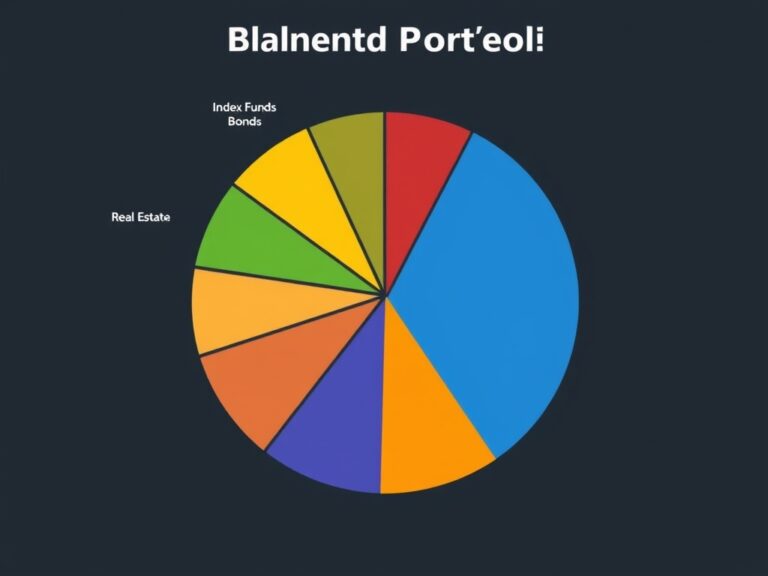
If you put all your eggs in one basket, a single market shock could wipe out years of hard work. That is why diversification is the cornerstone of any sustainable financial strategy. 🛡️ You want to spread your investments across various asset classes like index funds, real estate, and potentially high-growth sectors. By diversifying, you aren’t just protecting your capital; you are ensuring that your portfolio stays resilient regardless of which specific industry faces a temporary downturn. Remember that smart investors do not bet on the ‘next big thing’; they bet on the progress of the entire economy over time.
- Use Low-cost Index Funds for broad exposure.
- Consider Real Estate for cash flow and appreciation.
- Keep an emergency fund in high-yield savings to avoid liquidating assets during a market dip.
- Avoid ‘FOMO’ buying in volatile penny stocks.
This approach allows you to sleep soundly at night even when the headlines are filled with doom and gloom. It is about building a portfolio that can weather any storm while consistently moving upward in the long run. By balancing risk and reward, you create a stable foundation that allows you to compound your wealth without unnecessary anxiety or emotional trading habits.
The Power of Financial Education and Constant Iteration
Wealth building is not a static task that you finish once and forget about forever; it is a dynamic process that requires lifelong learning. 📚 You should regularly dedicate time to reading books, listening to reputable finance podcasts, and staying updated on how economic shifts might affect your assets. Being an informed investor allows you to pivot when necessary and take advantage of opportunities that others might miss due to lack of knowledge.
- Attend financial workshops or webinars.
- Analyze your annual spending habits.
- Rebalance your portfolio at least once a year.
- Stay curious about new financial tools and tax-advantaged accounts.
Understanding the ‘how’ and ‘why’ behind your investments will give you the confidence to hold your positions during rough patches. It prevents you from panicking when the market turns red and helps you stay disciplined when things are booming. Ultimately, your brain is your biggest asset, and the return on investment you get from self-education is unmatched by any stock or bond. Start today by committing to one hour of financial study per week, and watch how that knowledge compounds just as effectively as your monetary investments, leading you to true, sustainable success.