
Understanding Market Trends and Economic Indicators: A Simple Plain-English Guide
Understanding the Pulse of the Market
Have you ever wondered why the stock market seems to move in mysterious ways, or why experts keep talking about ‘economic indicators’ like they hold the secrets to the universe? Market trends are simply the general direction in which a market or the price of an asset is moving over a period of time, and understanding them is like having a compass in a storm. Think of the economy as a living, breathing organism that reacts to constant stimuli, such as consumer behavior, government policy, and global events. When we talk about economic indicators, we are essentially looking at the vital signs—like pulse and temperature—of this organism to see if it is healthy or struggling. By learning to read these signs, you can shift from a passive observer to an informed participant in the financial world. It isn’t about having a crystal ball to predict the future, but rather about gathering enough data to make smarter, data-backed decisions. In this guide, we will break down exactly what you need to look for to stay ahead of the curve. Let’s dive into the core concepts that define our modern economic landscape.
Key Indicators You Should Monitor
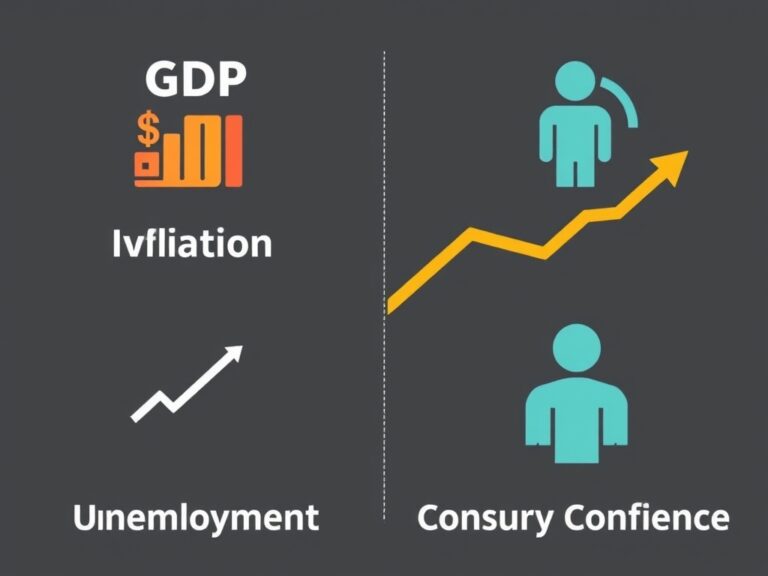
To truly grasp how the economy is performing, you need to keep a close eye on a few essential metrics that act as early warning systems. The most common indicators include:
- GDP (Gross Domestic Product): The total value of all goods and services produced, essentially the country’s scorecard.
- Inflation (CPI): This measures how fast prices are rising, which directly impacts your purchasing power.
- Unemployment Rate: A high rate suggests a cooling economy, while a low rate often signals high demand and potential growth.
- Consumer Confidence: If people feel good about their jobs, they spend more money, fueling the cycle.
These four metrics provide a high-level view of whether the economy is in an expansion phase or a contraction phase. When GDP is growing and unemployment is low, we generally see a bullish market trend, where confidence is high and investments are flowing. Conversely, when inflation spikes and consumer confidence drops, the market often turns cautious. By tracking these numbers regularly, you can better anticipate shifts in your own investment portfolio or business strategy. Don’t worry if these sound technical at first; they are just data points that tell a story about human behavior at scale.
Identifying Patterns in Market Trends
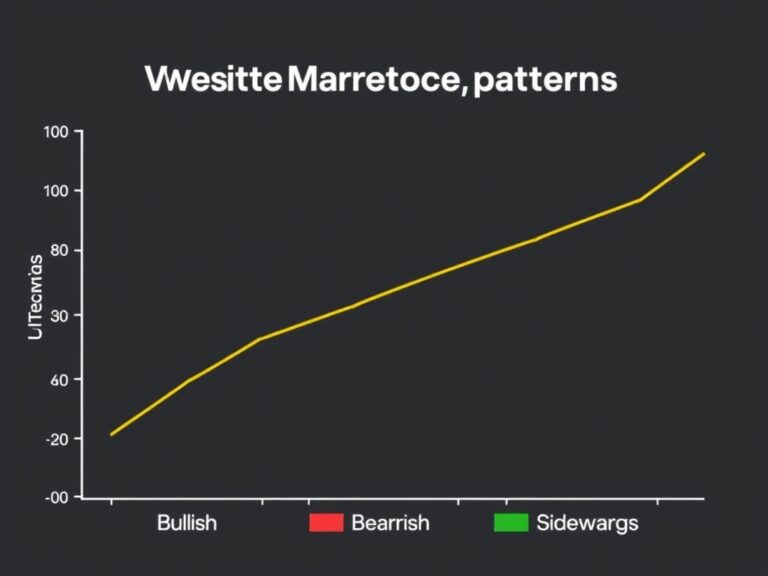
Identifying a trend isn’t just about looking at a line graph; it’s about understanding the psychology behind the movement. Market trends typically fall into three categories: uptrends (higher highs), downtrends (lower lows), and sideways trends (consolidation). Recognizing which phase the market is in can help you decide whether to be aggressive or defensive with your assets. For example, during an uptrend, it is often wise to ride the momentum, but during a consolidation phase, caution is usually the better part of valor. You should look for catalysts that trigger these shifts, such as interest rate hikes by the Federal Reserve or major geopolitical tensions. Remember that the market is often forward-looking, meaning it reacts to what investors think will happen in the coming months rather than what is happening today. This forward-looking nature is why news headlines can move prices so dramatically and quickly. Staying calm and sticking to your long-term goals is vital when emotions start to sway the crowd. Never underestimate the power of patience in a volatile market environment.
Applying Insights to Your Financial Life
Now that you have a better grasp of the indicators and trends, how do you actually put this knowledge to work? The most important takeaway is to avoid reacting impulsively to daily news cycles, which can be filled with noise rather than signal. Instead, focus on the long-term trend, which is often shaped by the fundamental indicators we discussed earlier.
- Diversify your portfolio to hedge against unexpected economic downturns.
- Keep an emergency fund so you aren’t forced to sell assets during a market dip.
- Stay educated by reading reliable financial news sources consistently.
- Maintain a long-term perspective, as time in the market beats timing the market.
By incorporating these habits, you make yourself more resilient to the inevitable cycles of the economy. Economic indicators are tools, not gods, and your interpretation of them should always be tempered by your personal risk tolerance. Always remember that the economy goes through seasons, and just like winter eventually turns to spring, markets go through periods of contraction and expansion. Your goal is to stay prepared, informed, and level-headed throughout every single season. Knowledge is the ultimate asset, and by starting here, you have already taken a massive step toward mastering your financial future.