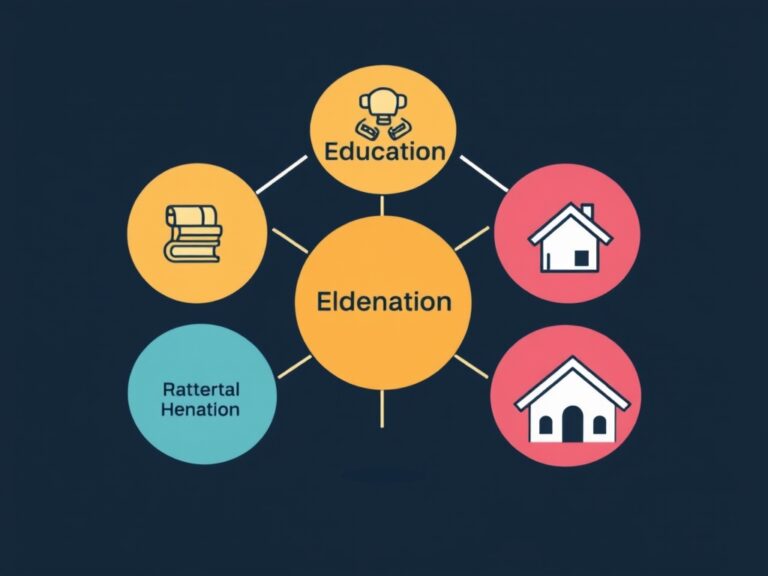

Essential Life Tips for Managing Your Education, Vehicle Maintenance, Personal Health, and Home Ownership
Mastering Your Education Management
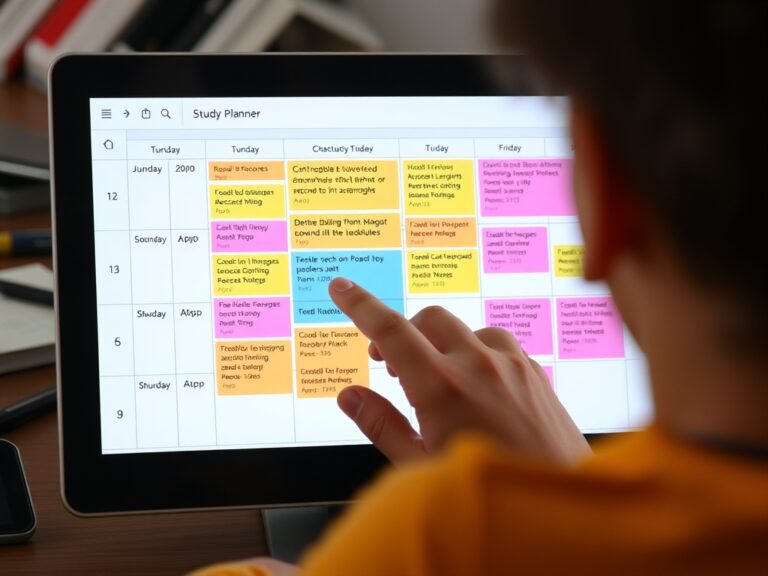
Managing your education is not just about getting a degree; it’s about mastering the art of lifelong learning and staying organized in a fast-paced world. To excel, you need to treat your study schedule like a professional commitment by using tools like digital calendars or task managers to track deadlines. Did you know that consistent, short study sessions are often more effective than marathon cramming? By breaking down complex subjects into bite-sized pieces, you reduce cognitive load and improve long-term retention.
- 📚 Prioritize tasks using the Eisenhower Matrix to separate urgent work from important goals.
- 🤫 Find a dedicated workspace free of distractions to maximize your deep work sessions.
- ☕ Take regular breaks using the Pomodoro technique to avoid mental burnout.
Engaging with peers and mentors can also provide fresh perspectives that textbooks often miss. Remember, the goal of education is to build a foundation for your future career, so focus on developing soft skills like communication and critical thinking alongside your technical knowledge. It is essential to stay curious and never stop asking questions, as this mindset will serve you well long after you graduate. Balancing academics with social life is a skill in itself, requiring discipline and a bit of trial and error. Lastly, don’t be afraid to seek help from tutors or online resources if you hit a roadblock, because seeking assistance is a sign of strength, not weakness. Consistent effort over time leads to mastery.
Proactive Vehicle Maintenance for Longevity
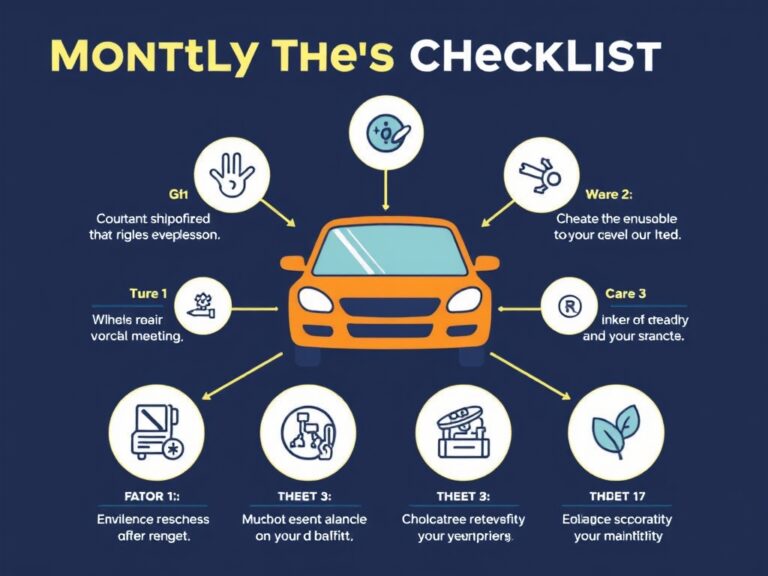
Vehicle maintenance is one of those adult responsibilities that can save you thousands of dollars if you stay proactive and attentive. Regular oil changes and tire rotations are the bread and butter of car care, ensuring your engine runs smoothly and your tires wear evenly. Neglecting these simple tasks can lead to catastrophic engine failure or dangerous driving conditions. You should also keep an eye on your fluid levels—including coolant, brake fluid, and windshield washer fluid—to prevent overheating or mechanical issues.
- 🚗 Check your tire pressure monthly to improve fuel efficiency and ensure safe handling.
- 🛠️ Replace your air filters every 12,000 to 15,000 miles to keep your engine breathing properly.
- 👂 Listen for unusual noises like squealing brakes or engine knocks that might indicate early trouble.
Keeping a detailed log of all repairs and services performed on your vehicle can significantly increase its resale value. It is also wise to understand the basic mechanics of your car, such as how to jump-start a battery or change a flat tire in an emergency. Being prepared with a roadside emergency kit containing jumper cables, a flashlight, and a first-aid kit is a hallmark of a responsible driver. Remember, your car is likely one of your biggest investments, so treating it with respect will ensure it remains reliable for years to come. Ultimately, a well-maintained vehicle provides peace of mind and keeps you safe on the road.
Prioritizing Personal Health and Wellness
When it comes to personal health, a holistic approach that balances physical activity, nutrition, and mental well-being is absolutely vital for long-term happiness. You don’t need to be a professional athlete to stay fit; even a brisk thirty-minute walk every day can drastically improve your cardiovascular health. The food you fuel your body with acts as the foundation for your energy levels throughout the day. Focus on incorporating whole foods, lean proteins, and plenty of leafy greens into your diet while staying hydrated with water.
- 🧘 Practice mindfulness or meditation daily to reduce stress levels and improve focus.
- 💤 Aim for 7-9 hours of quality sleep every single night to allow your body to recover.
- 🩺 Schedule regular check-ups with your doctor and dentist to catch potential issues early.
Mental health is just as important as physical health, so make sure to set boundaries and take time for hobbies that bring you joy. Managing stress through deep breathing exercises or talking to a therapist can prevent burnout in your professional and personal life. It is also important to listen to your body’s signals; if you feel fatigued, give yourself permission to rest without guilt. Consistency is far more important than intensity when building healthy habits, so start small and build up over time. By prioritizing your health today, you are investing in a more vibrant and active future self. Wellness is a journey, not a destination.

Navigating the Responsibilities of Home Ownership
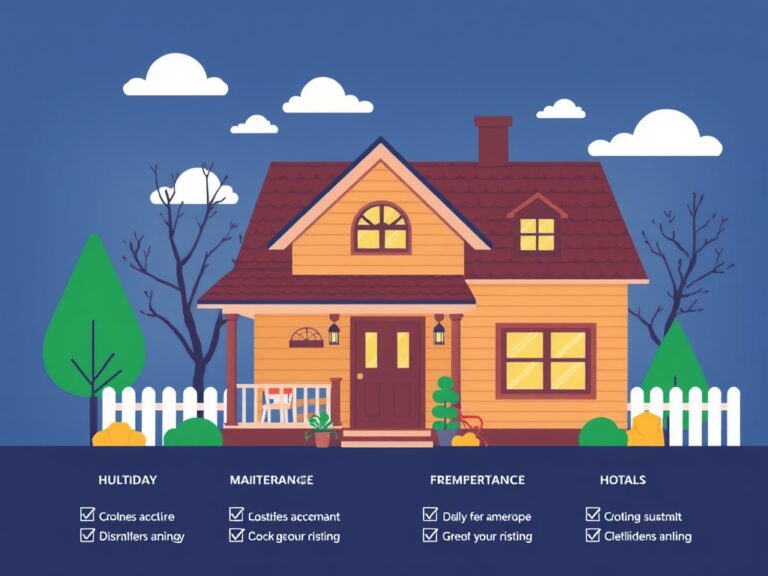
Owning a home is a significant milestone, but it also comes with a never-ending list of responsibilities that require careful planning and financial management. One of the best tips for new homeowners is to set aside a dedicated “emergency fund” for unexpected repairs like a leaking roof or a broken water heater. Preventative maintenance is the key to protecting your investment and avoiding massive bills down the line. You should inspect your HVAC system twice a year and clean your gutters every fall to prevent water damage to your foundation.
- 🚨 Test your smoke and carbon monoxide detectors every month to keep your family safe.
- 🏠 Seal gaps around windows and doors with caulk to improve energy efficiency.
- 📞 Keep a directory of reliable local contractors and plumbers for emergency repair situations.
Understanding your mortgage terms and keeping track of property taxes is crucial for maintaining your long-term financial health. Additionally, small DIY projects like painting a room or landscaping can add significant value to your property without breaking the bank. It is also beneficial to get to know your neighbors, as a strong community can provide security and help with local recommendations. Managing a home can feel overwhelming at times, but staying organized with a seasonal maintenance checklist makes the process manageable. Ultimately, your home is your sanctuary, and taking care of it ensures it remains a safe and comfortable space for your family. Taking pride in your property creates a sense of belonging and stability.
Integrating Your Life Management Strategy
Integrating these four pillars of life management—education, vehicle care, health, and home—is the secret to a stress-free and productive lifestyle. While each area requires specific attention, they are all interconnected in maintaining your overall stability and well-being. For instance, staying healthy gives you the energy to manage your home and excel in your studies effectively. Similarly, a reliable vehicle ensures you can get to your medical appointments or your place of learning without delay. Creating a master schedule that incorporates all these responsibilities can help you visualize your week and avoid feeling overwhelmed.
- 📅 Use a centralized app to track all life-related tasks and upcoming deadlines.
- 🧘 Set aside time each week for reflection and planning for the days ahead.
- 💰 Automate savings for home and car maintenance to avoid financial stress.
You should view these tasks not as chores, but as essential investments in your future self and security. It is perfectly normal to feel like you are juggling too much, but remember that progress is more important than perfection. Surround yourself with a supportive network of friends and family who can offer advice or help when things get busy. Developing these life management skills early on will provide you with a competitive edge in both your personal and professional endeavors. Always be willing to adapt your strategies as your life circumstances change, such as moving to a new house or starting a new course. By taking small, consistent steps in each of these four areas, you will build a solid foundation for a successful and fulfilling life.