
7 Foundational Principles for Building Long-Term Wealth and Financial Freedom
Mastering Your Money Mindset: The Foundation of Wealth
Building long-term wealth isn’t just about how much you earn; it’s about the mindset you adopt toward your finances. Many people mistakenly believe that becoming wealthy is an overnight event, but the journey to financial freedom is actually a marathon fueled by consistent habits. To start, you must distinguish between assets that put money in your pocket and liabilities that take it out. Ask yourself:
- Are my current habits aligned with my future goals?
- Do I track my expenses with precision?
- Am I investing in my own financial literacy daily?
This foundational shift allows you to stop living paycheck to paycheck and start building a fortress of security. Remember, your financial destiny is controlled by your decisions, not by external economic conditions. By cultivating a disciplined approach, you gain the clarity needed to navigate complex market cycles. Focus on long-term growth over fleeting trends to ensure your capital works as hard as you do. Ultimately, your mindset is the most valuable asset you will ever own. Embrace this perspective shift today to transform your trajectory toward lasting prosperity.
The Power of Compound Interest: Your Greatest Financial Ally
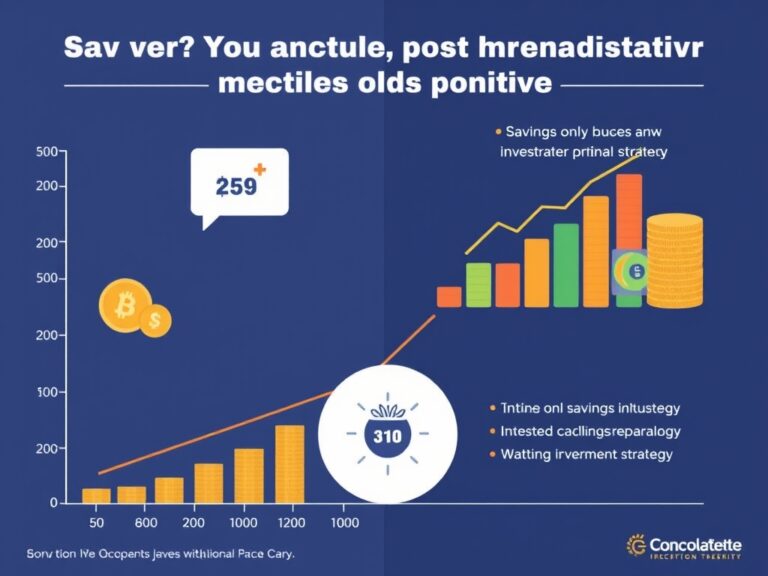
If you want to achieve wealth creation, you must learn to leverage the ‘eighth wonder of the world’: compound interest. Albert Einstein reportedly called it the most powerful force in the universe, and for good reason—it allows your money to grow exponentially over time. Instead of just saving cash under a mattress, you should aim to invest in vehicles like index funds, stocks, or real estate that offer compounding returns.
- Start investing as early as possible to give your money time to multiply.
- Reinvest your dividends to accelerate the momentum of your growth.
- Stay consistent, even when the market experiences temporary volatility.
Because compound interest relies on time, the earlier you begin your journey, the less heavy lifting you have to do later in life. Think of it like a snowball rolling down a hill; it starts small, but as it gathers layers, its size and speed increase dramatically. Many beginners underestimate the impact of small, monthly contributions, but these amounts become substantial chunks of capital after a decade or two. Don’t wait for the ‘perfect’ time to start, because time itself is your most valuable resource. By starting now, you allow compound interest to perform the heavy lifting for you while you sleep.
Strategic Budgeting and Debt Management for Sustainable Growth
Effective financial freedom strategies require a balance between living comfortably and maintaining a lean, growth-oriented budget. You don’t need to deprive yourself of everything, but you must be intentional about your spending habits to ensure you aren’t leaking capital. High-interest debt is the ultimate anchor that holds you back, so prioritize eliminating it before scaling your investment portfolio aggressively.
- Use the Debt Avalanche method to target high-interest accounts first.
- Create an automated savings plan that pays ‘yourself’ before paying any bills.
- Review your recurring subscriptions to trim unnecessary waste every single month.
Once your debt is under control, your cash flow significantly improves, providing you with more freedom to allocate funds toward wealth-building opportunities. A budget shouldn’t feel like a prison; it is actually a blueprint that grants you permission to spend on what truly matters while cutting back on what doesn’t. By auditing your finances periodically, you keep your goals front and center. Successful wealth building is often about what you *don’t* spend, just as much as what you do earn. Maintain control over your cash flow to ensure that every dollar has a specific, productive purpose.

Diversification: Protecting Your Path to Financial Independence
Never put all your eggs in one basket is a cliché for a reason; diversification is the primary defense against market risk. When you build a portfolio, spreading your investments across various asset classes—such as stocks, bonds, real estate, and perhaps alternative investments—helps smooth out the inevitable bumps in the road.
- Allocate your assets based on your age and risk tolerance levels.
- Rebalance your portfolio annually to maintain your target asset allocation.
- Explore different sectors and geographic regions to avoid localized economic crashes.
A well-diversified strategy ensures that when one part of your portfolio is struggling, another part may be thriving, providing a hedge against uncertainty. This concept is essential for anyone serious about long-term wealth, as it protects your principal while allowing for consistent growth. Avoid the temptation to ‘chase the hottest stock’ or rely on a single income stream, as these approaches often lead to significant losses. Instead, build a balanced, resilient foundation that can weather any storm. True financial security is found in the reliability of your system, not in the luck of a single trade. By embracing diversification, you create a robust safety net that supports your journey toward lasting financial autonomy.