
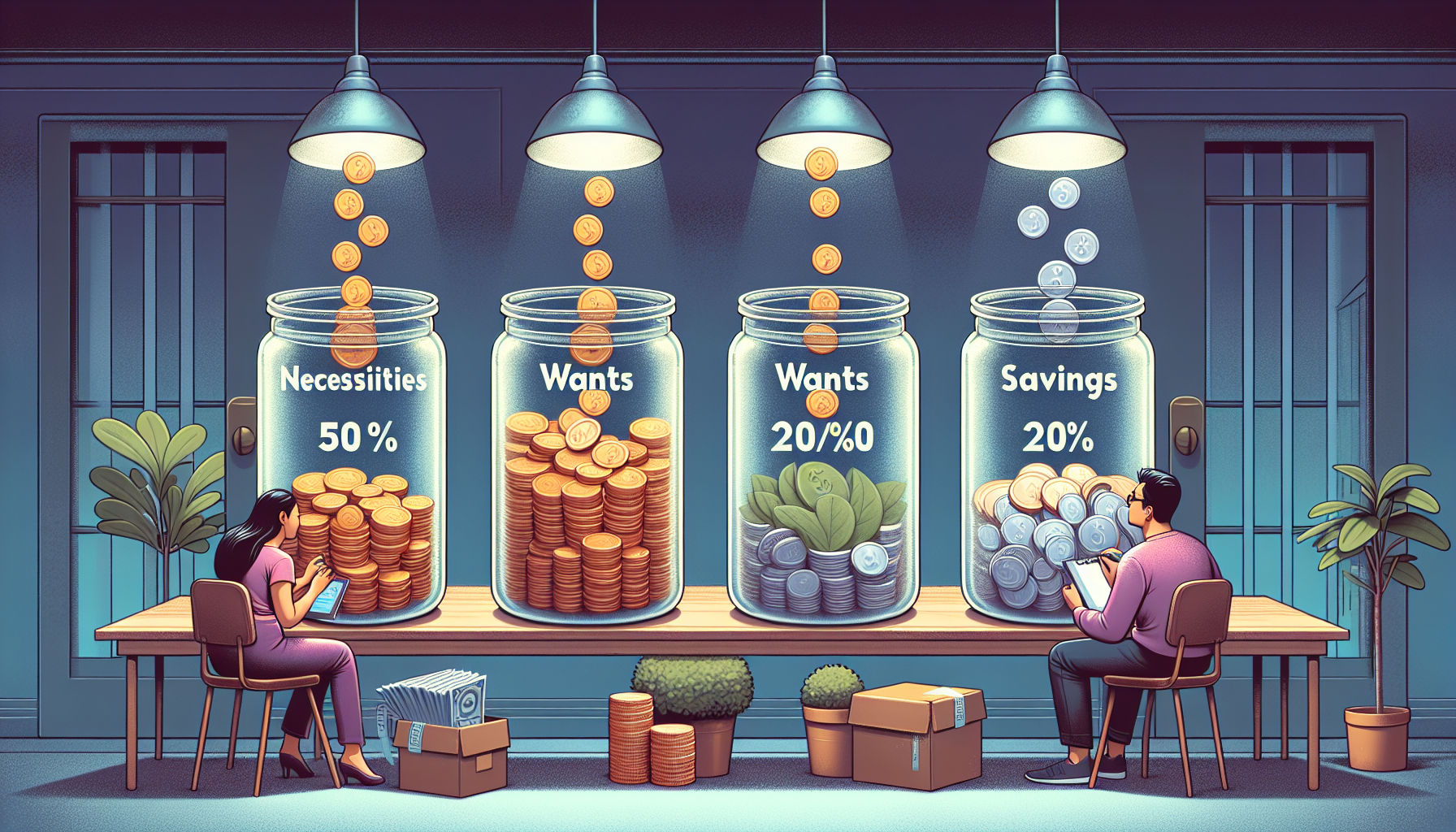
Mastering Your Finances with the 50/30/20 Rule
The 50/30/20 rule is a straightforward budgeting framework that divides your after-tax income into three categories:
What is the 50/30/20 Rule?
- 50% for Needs: Essential expenses such as housing, utilities, groceries, transportation, and minimum debt payments.
- 30% for Wants: Discretionary spending like dining out, entertainment, hobbies, and non-essential purchases.
- 20% for Savings and Debt Repayment: Allocated towards building an emergency fund, contributing to retirement accounts, and paying off debts beyond the minimum required payments.
This method, popularized by Senator Elizabeth Warren in her book All Your Worth: The Ultimate Lifetime Money Plan, offers a balanced approach to managing finances by ensuring that essential needs are met, personal desires are accommodated, and future financial security is prioritized. (forbes.com)
Implementing the 50/30/20 Rule
- Calculate Your After-Tax Income: Determine your monthly take-home pay after deductions.
- Categorize Your Expenses:
- Needs: Include rent or mortgage, utilities, groceries, transportation, and minimum debt payments.
- Wants: Cover dining out, entertainment, subscriptions, and other non-essential items.
- Savings and Debt Repayment: Allocate funds for emergency savings, retirement contributions, and additional debt payments.
- Adjust as Necessary: If your needs exceed 50% of your income, consider adjusting the percentages temporarily or finding ways to reduce discretionary spending. (kiplinger.com)
Visual Learning
For a visual explanation and further insights into the 50/30/20 budgeting method, you might find this video helpful: